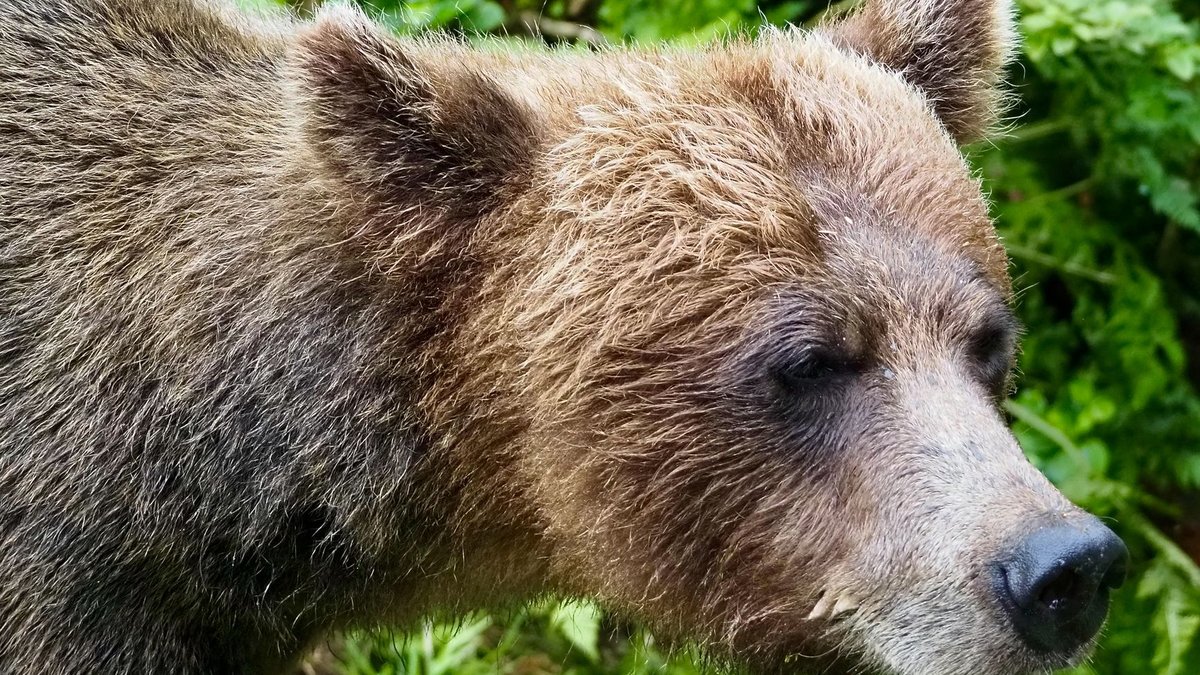
How Strong Is a Grizzly Bear? Strong Enough to Flip a Car
A grizzly bear can exert over 1,200 pounds of force with a single swipe and lift roughly 10 times its own body weight, making it one of the strongest land animals on Earth.
Short original pieces from the Leafnado Nature Desk that answer the questions people actually ask about animals — how fast, how strong, how long, and why. A new one every day.
A grizzly bear can exert over 1,200 pounds of force with a single swipe and lift roughly 10 times its own body weight, making it one of the strongest land animals on Earth.
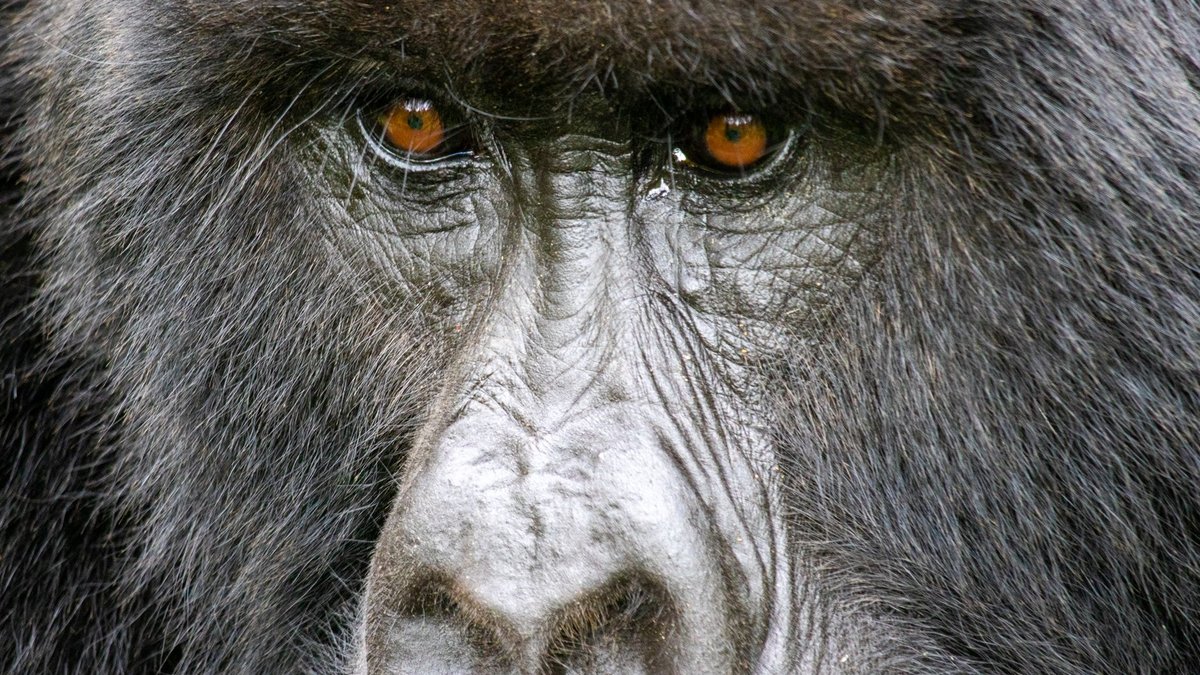
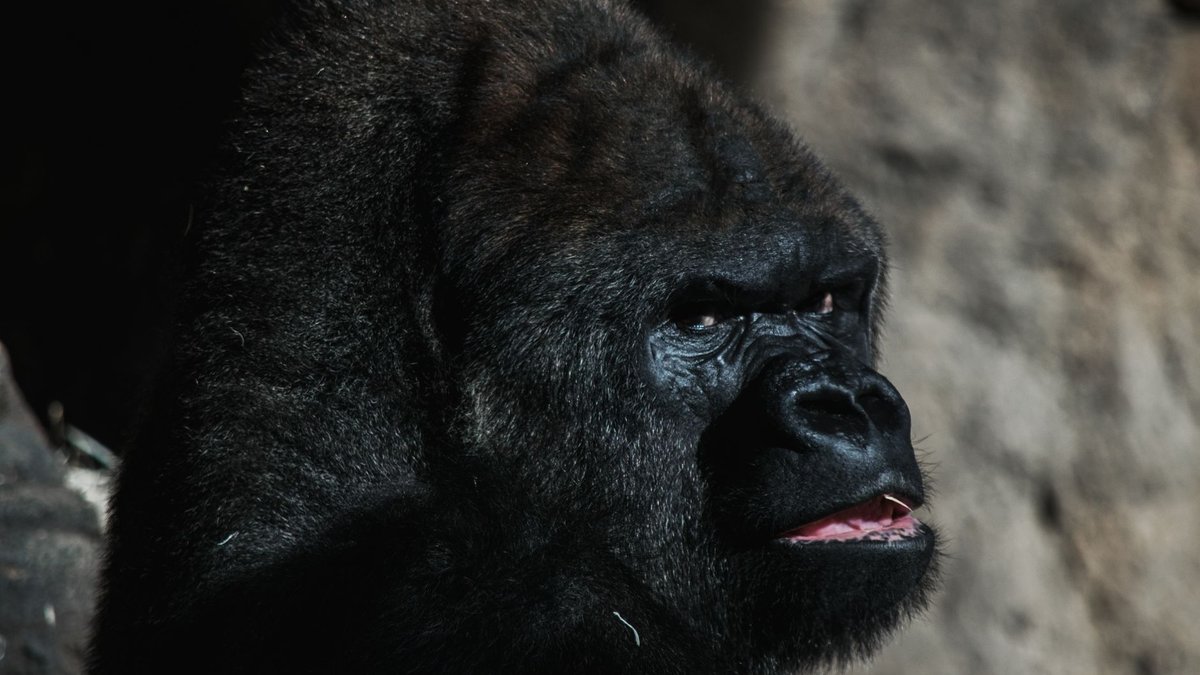
A gorilla can lift up to 1,800 pounds and is estimated to be 4 to 9 times stronger than an adult human, with muscle density far exceeding that of humans.
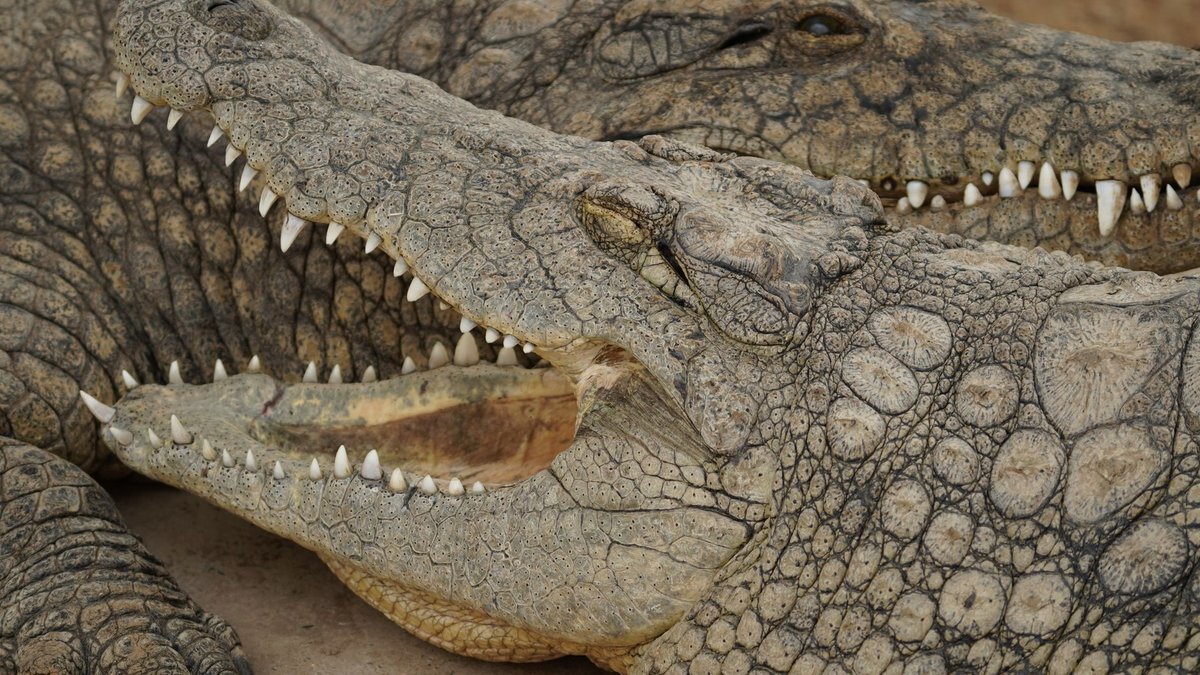
A saltwater crocodile's bite force reaches 3,700 pounds per square inch — more than three times a great white shark's.
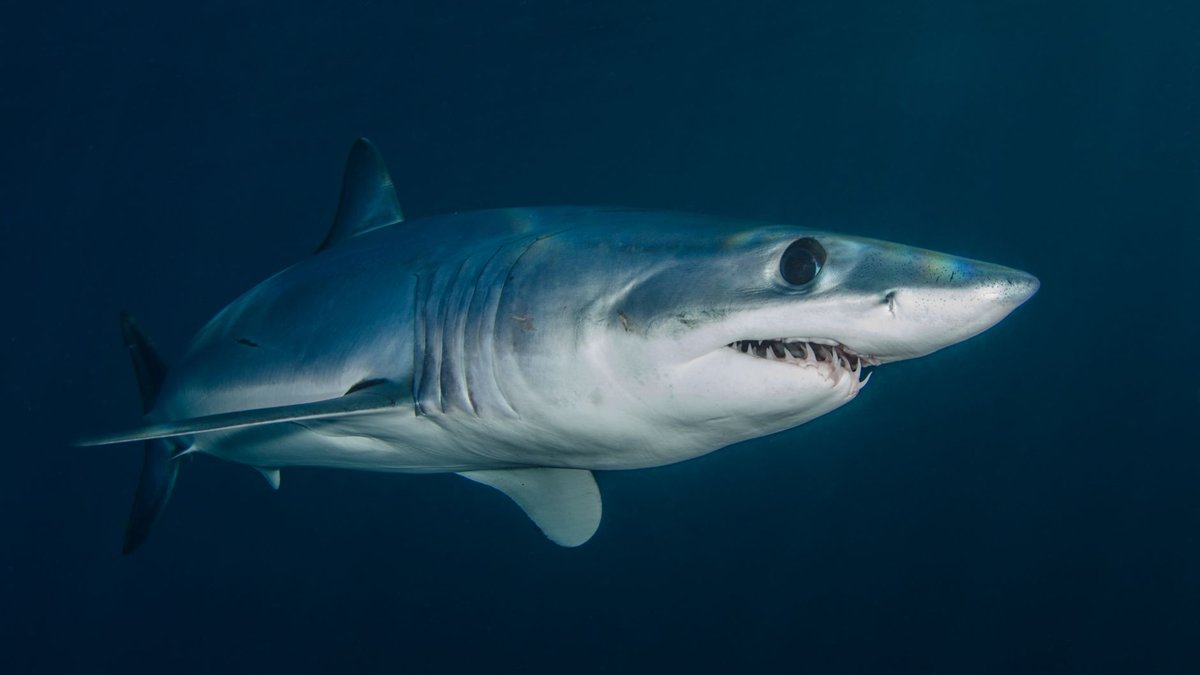
The fastest sharks, like the shortfin mako, can reach speeds of 45 mph—faster than most people can run or swim.
A chimpanzee's upper-body strength is estimated at 5 to 7 times greater than an adult human's, despite weighing only half as much.
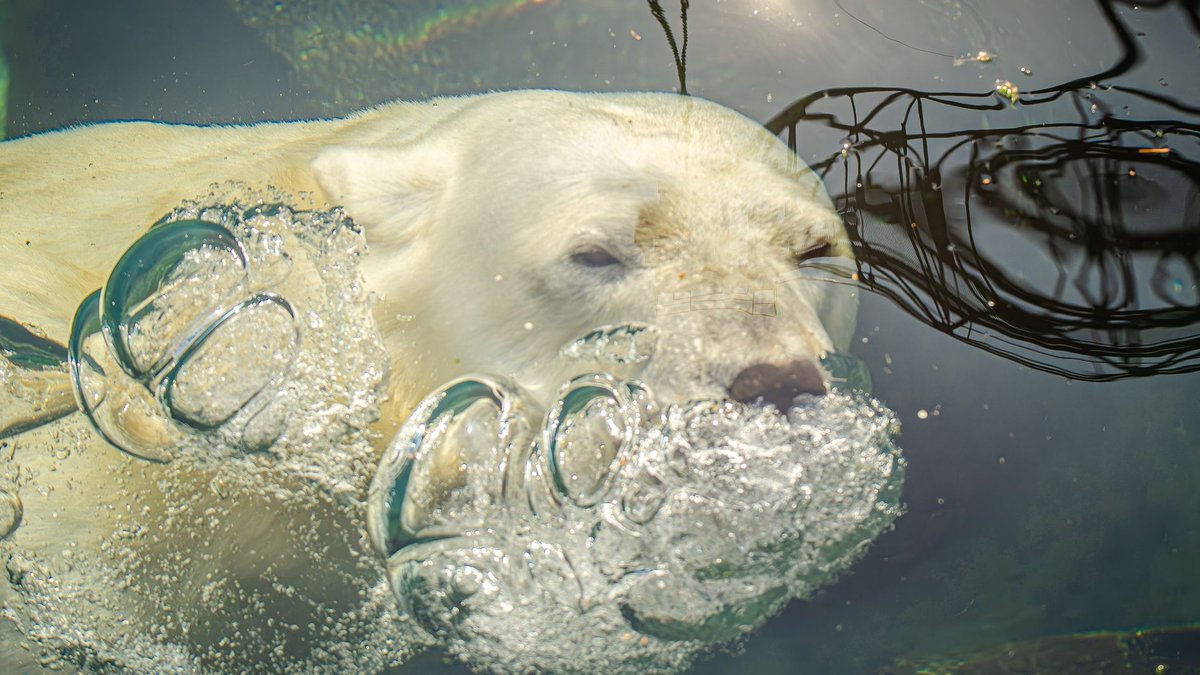
A polar bear can bite with a force of 1,200 PSI and can kill a seal in seconds with a single powerful blow.
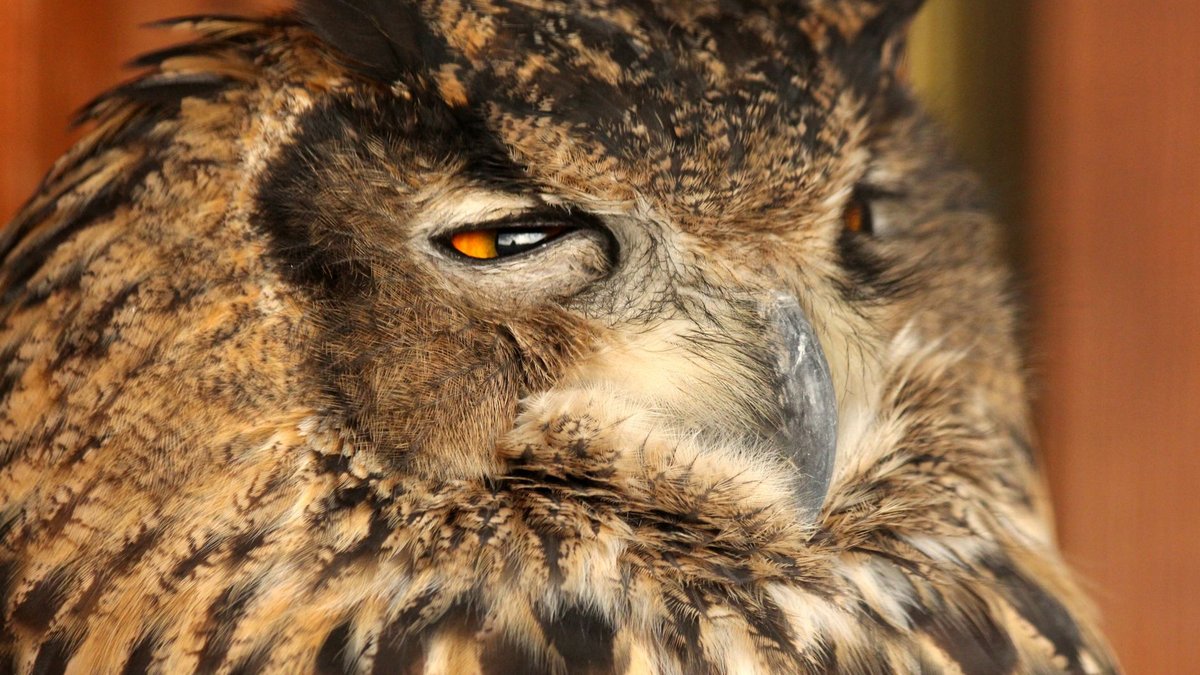
Owls can rotate their heads up to 270 degrees in less than a second, nearly three-quarters of a full circle, without moving their eyes.
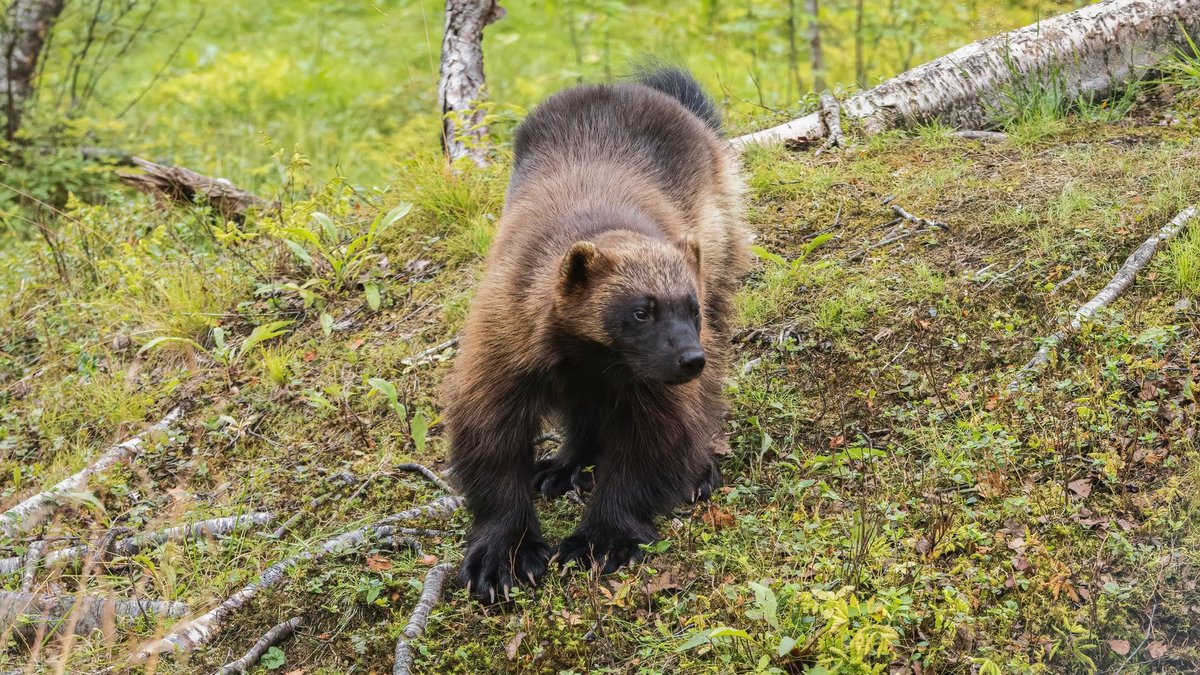
A wolverine can haul prey many times its own body weight, drag a moose carcass across snow, and crush bones with a bite force of 1,900 PSI.
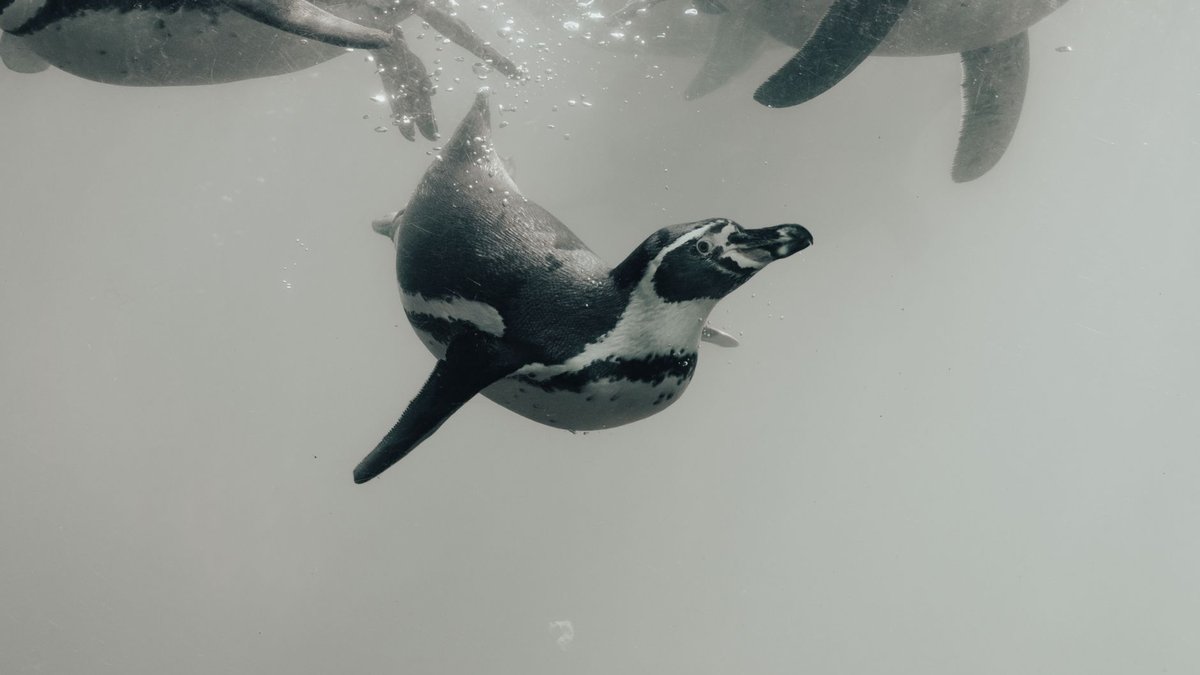
Penguins evolved in the Southern Hemisphere millions of years ago and stayed put as Antarctica froze over, developing extreme cold-weather adaptations that make them perfectly suited to ice.
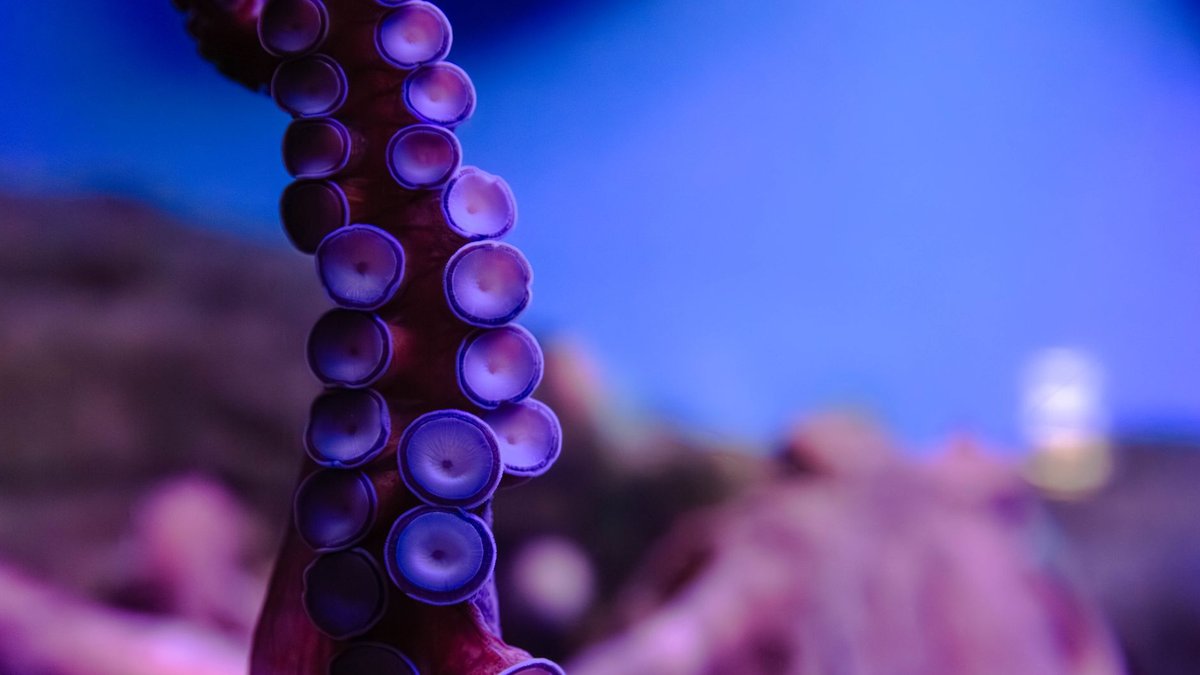
An octopus has eight arms, and each one operates with its own cluster of neurons that lets it think and act independently from the others.
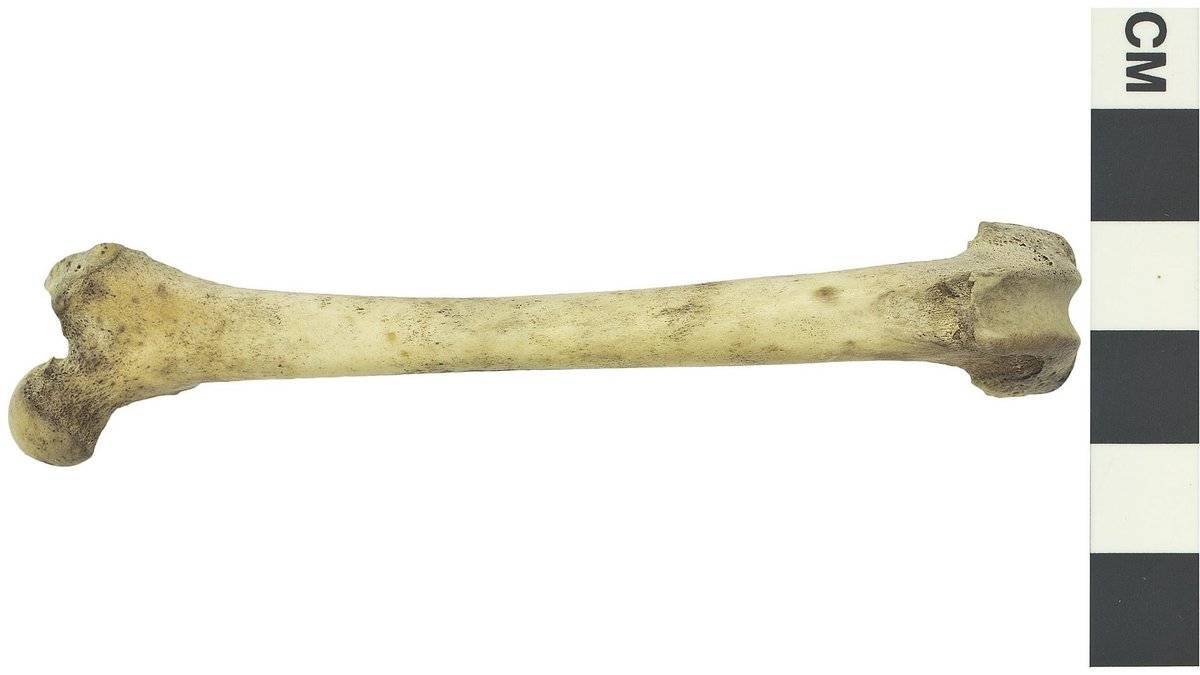
Arctic foxes have two-layer fur that traps air like a down jacket, plus fur on their paw pads and a metabolism that burns hotter in winter.
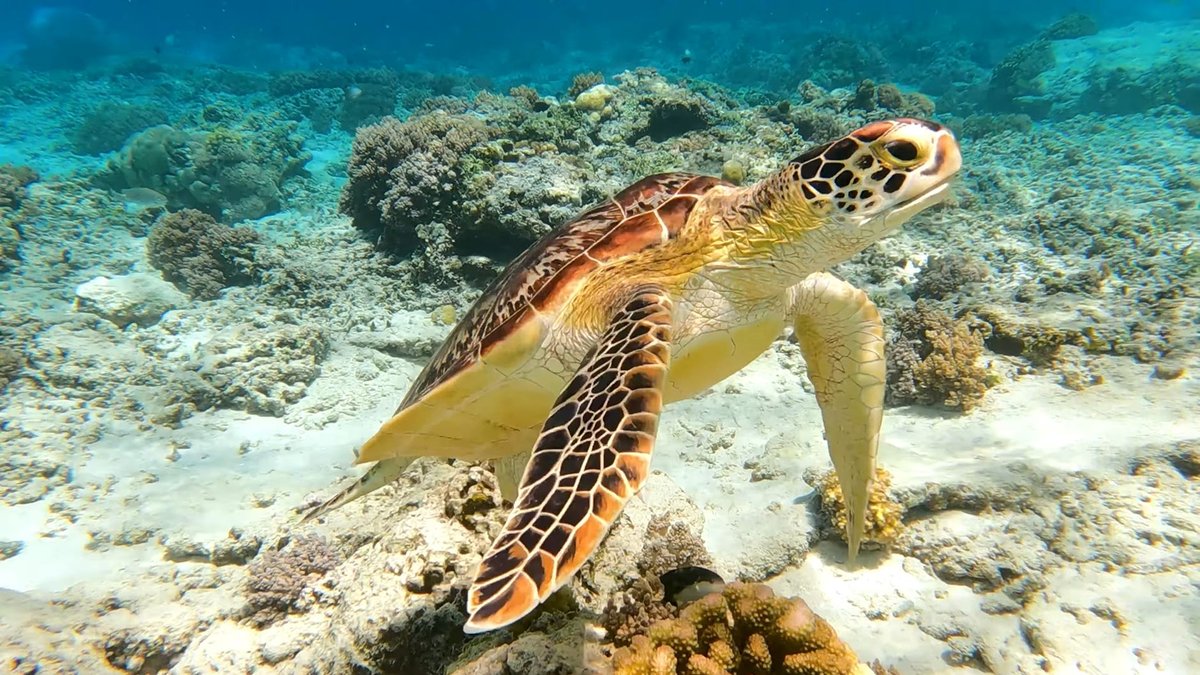
Sea turtles can hold their breath for up to 7 hours while resting on the ocean floor, though they typically dive for 20-40 minutes when feeding.
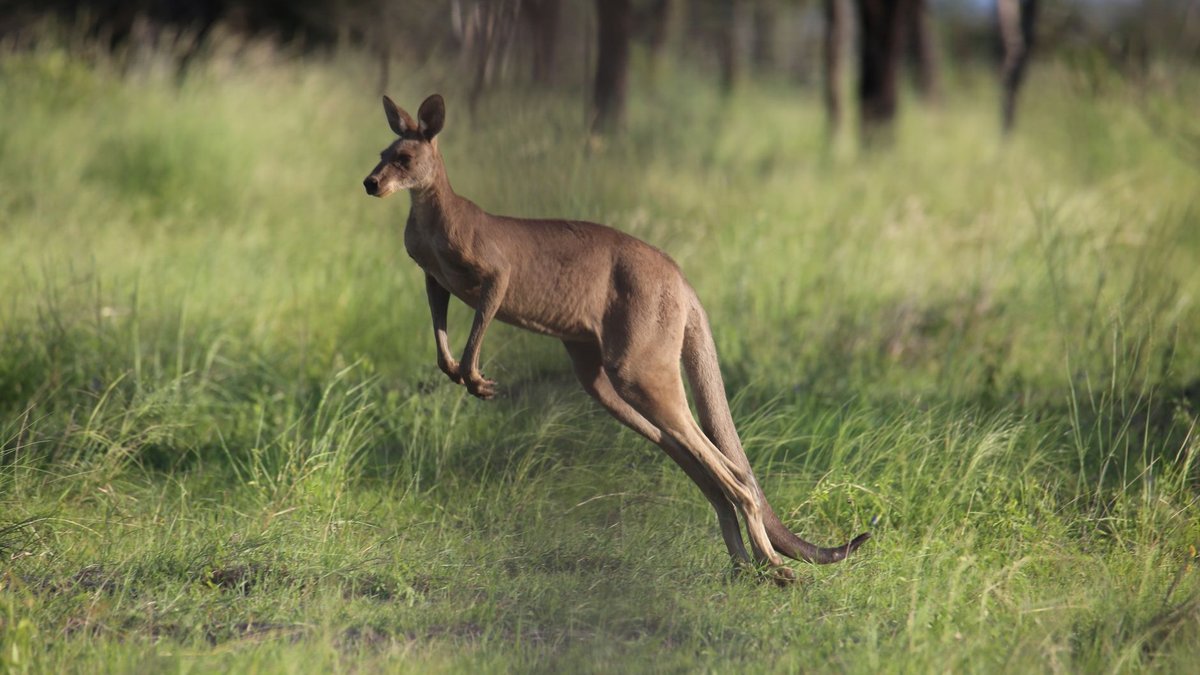
A kangaroo can reach speeds of 35 mph in short bursts, using its powerful hind legs and tail like a living catapult.
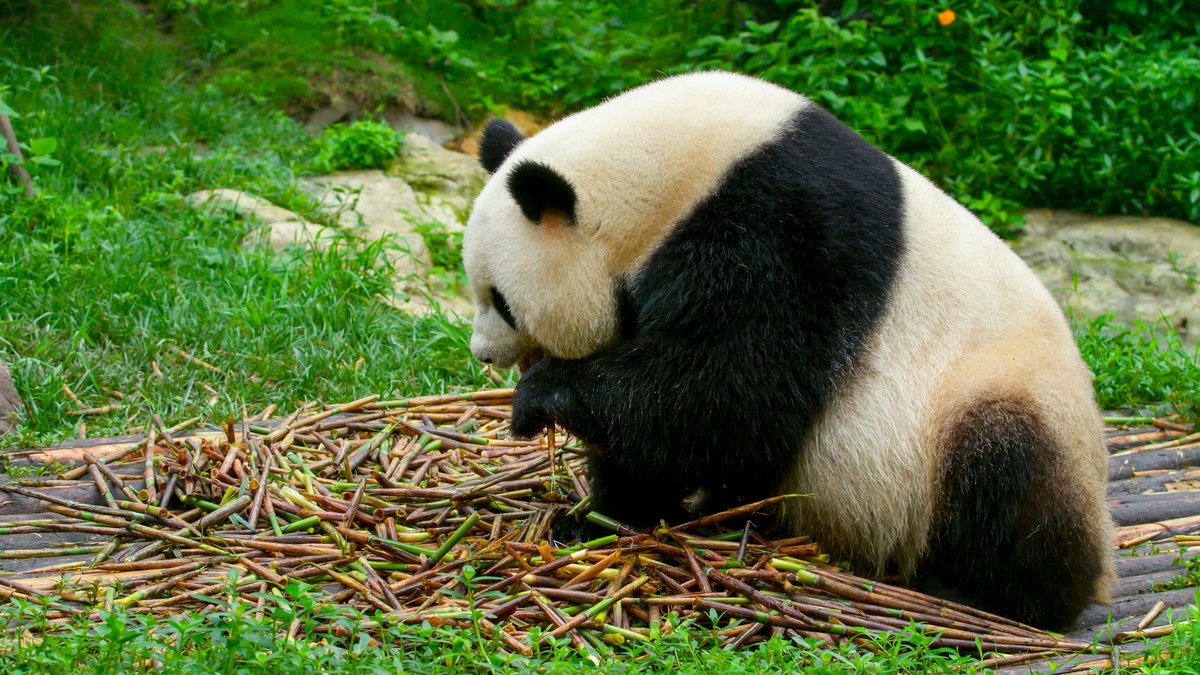
A giant panda eats 26 to 40 pounds of bamboo every single day to meet its energy needs, spending most of its waking hours chewing.
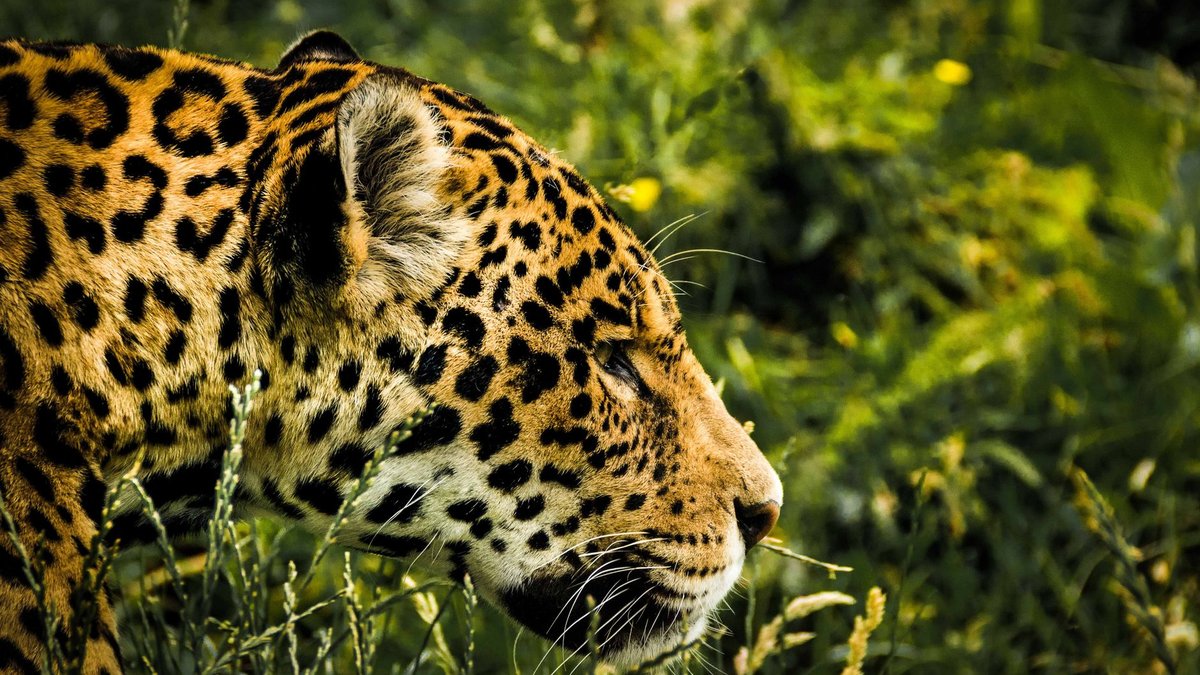
A jaguar's bite force reaches 1,500 PSI—twice that of a lion—and can crack through the thickest parts of a caiman's armor or the skull of a capybara.
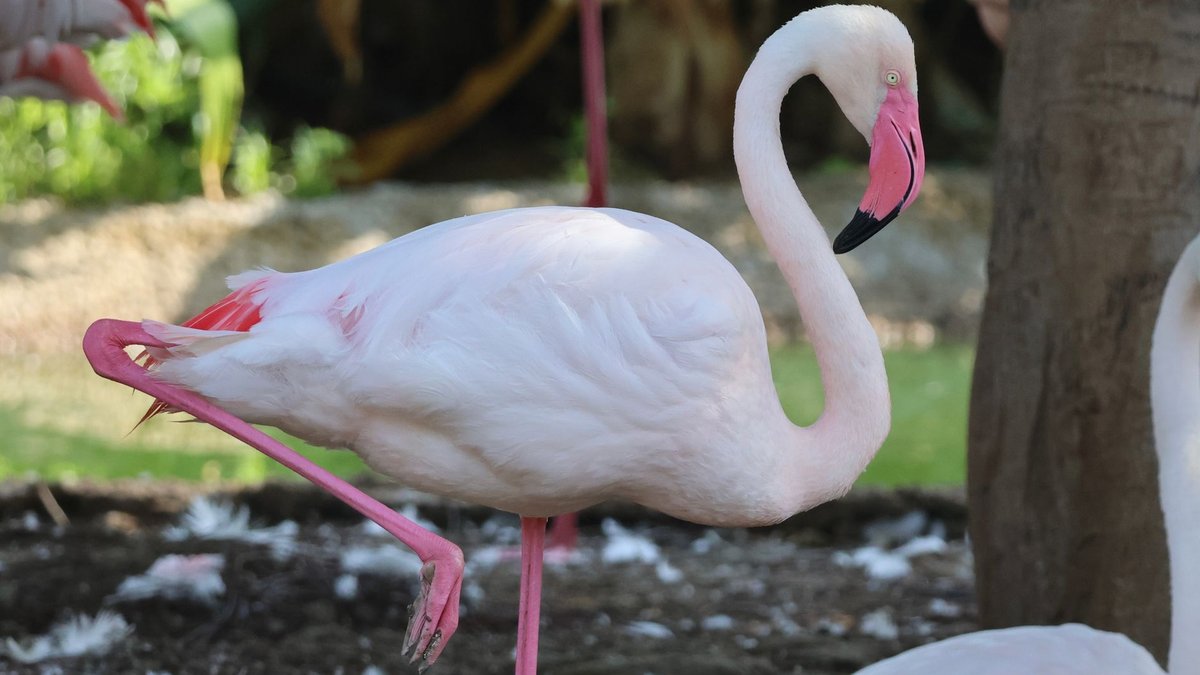
Flamingos can stand on a single leg for hours without fatigue, using a specialized locking mechanism in their leg joints to rest while upright.
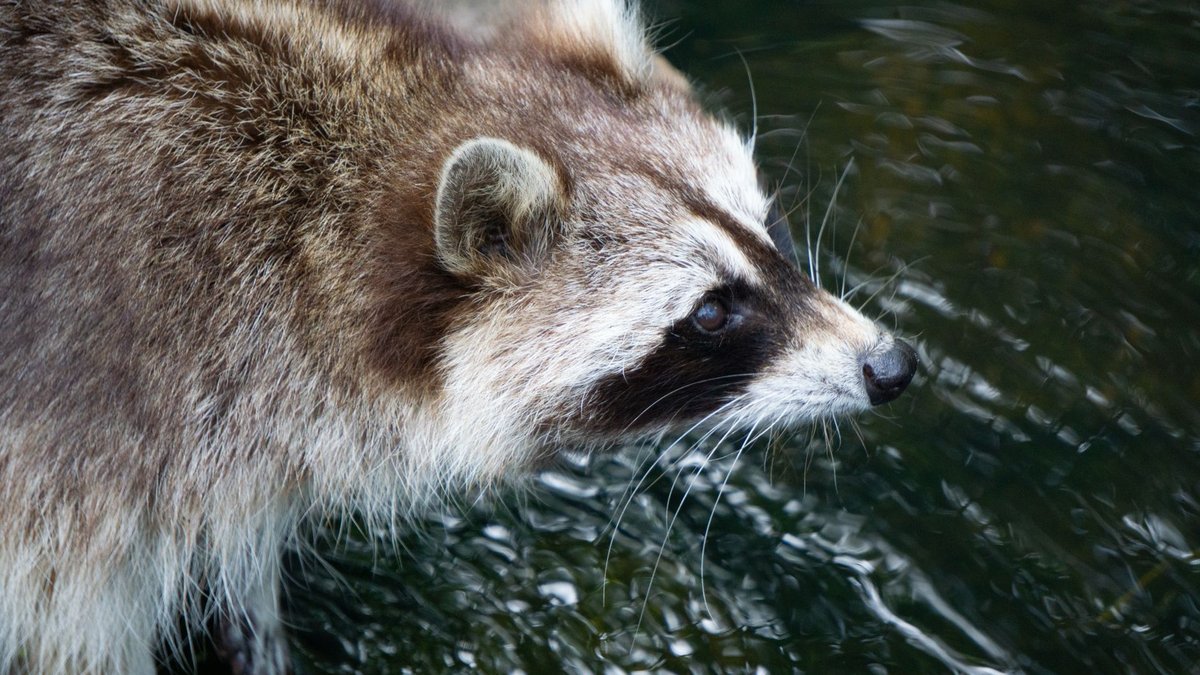
Raccoons don't actually wash food for cleanliness—they use their sensitive front paws to feel and identify what they're eating in water.
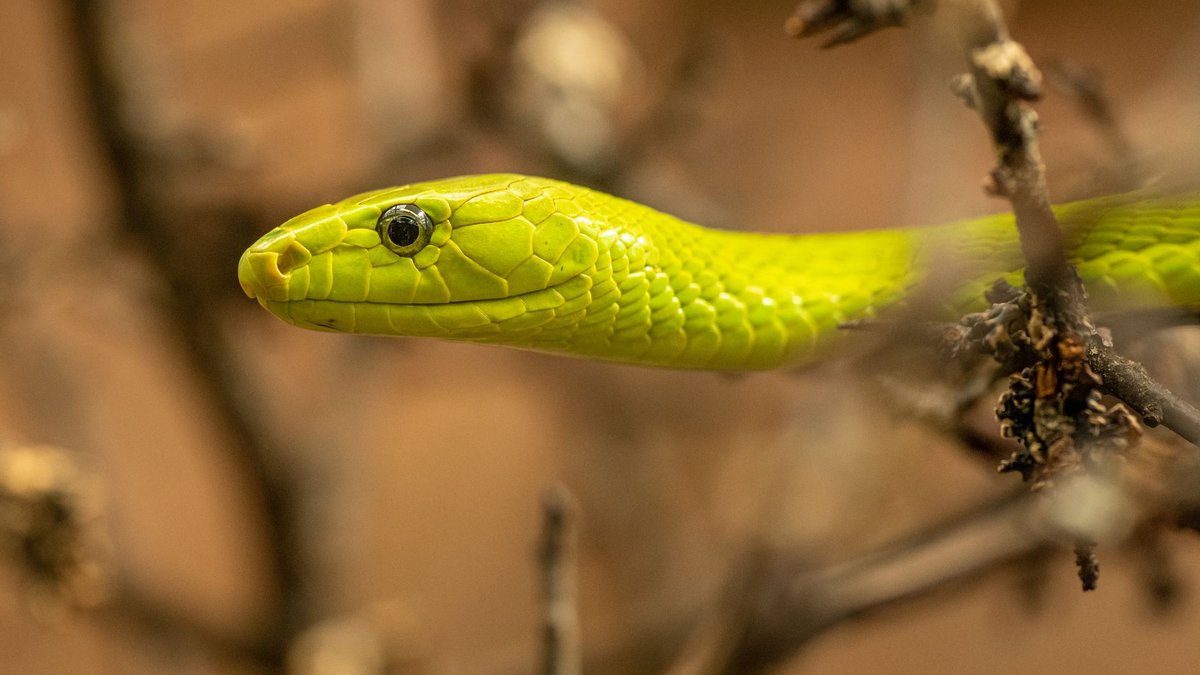
The black mamba can move at 12.5 miles per hour, making it the fastest snake on Earth—and one of the few that will actively pursue prey.
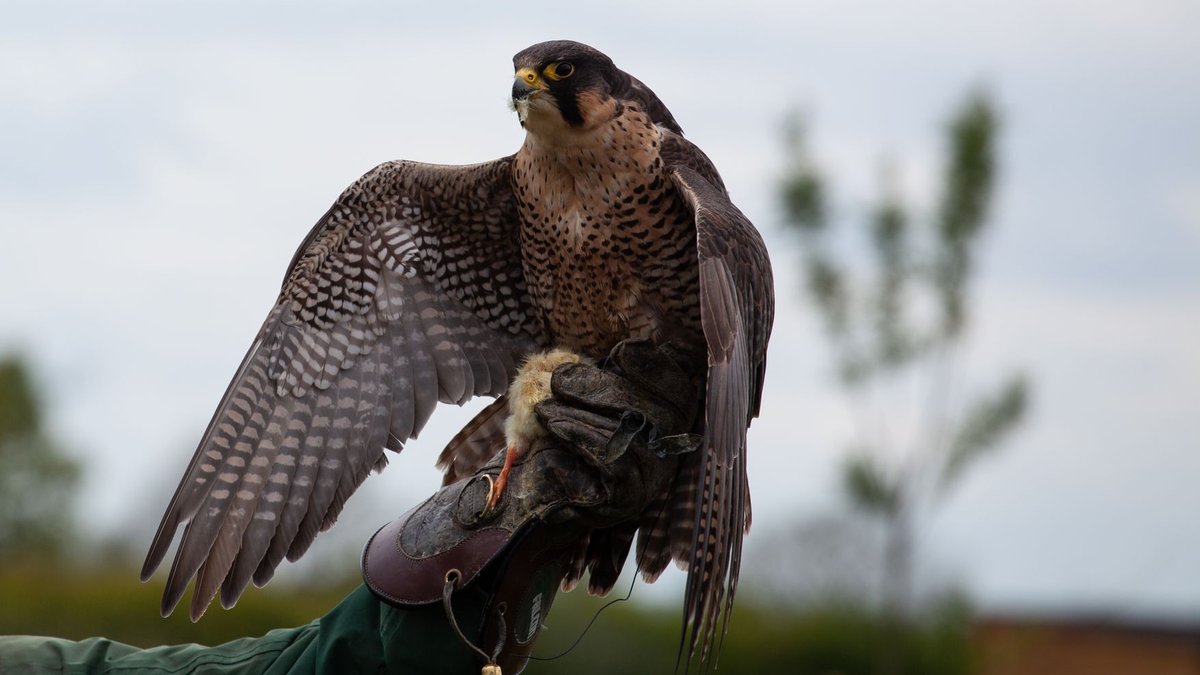
A peregrine falcon reaches over 240 mph in a hunting dive, making it the fastest animal on Earth.
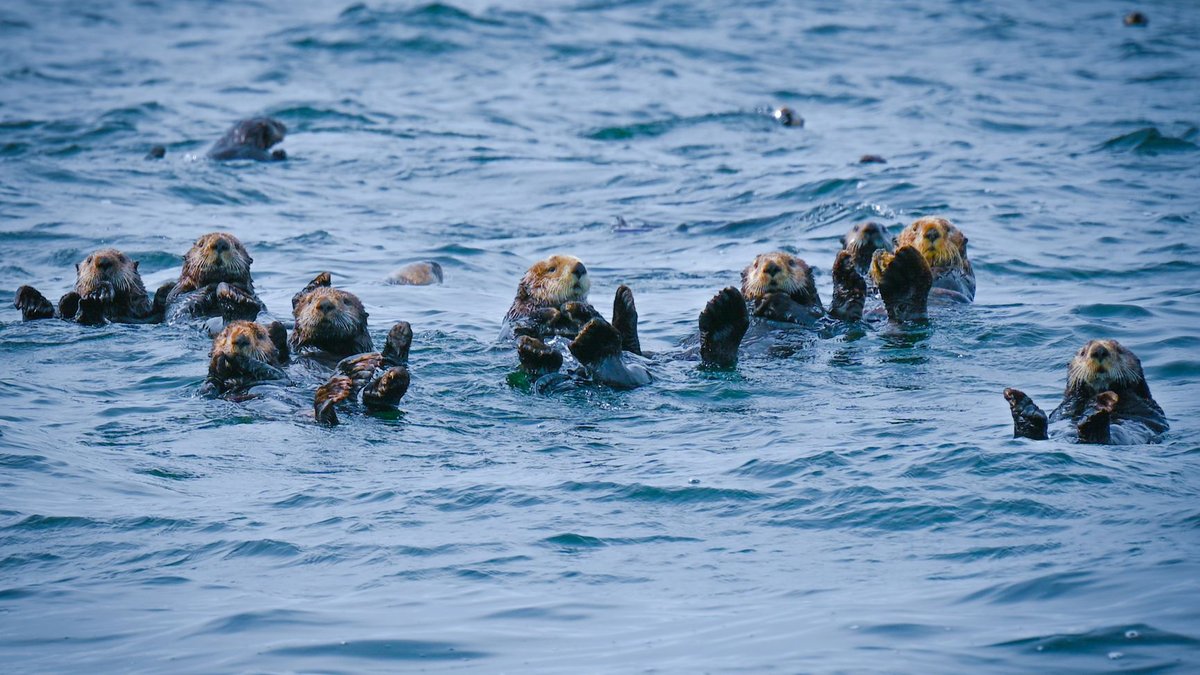
Sea otters can exert up to 400 pounds of force with their paws, enough to crack open the toughest shellfish shells.
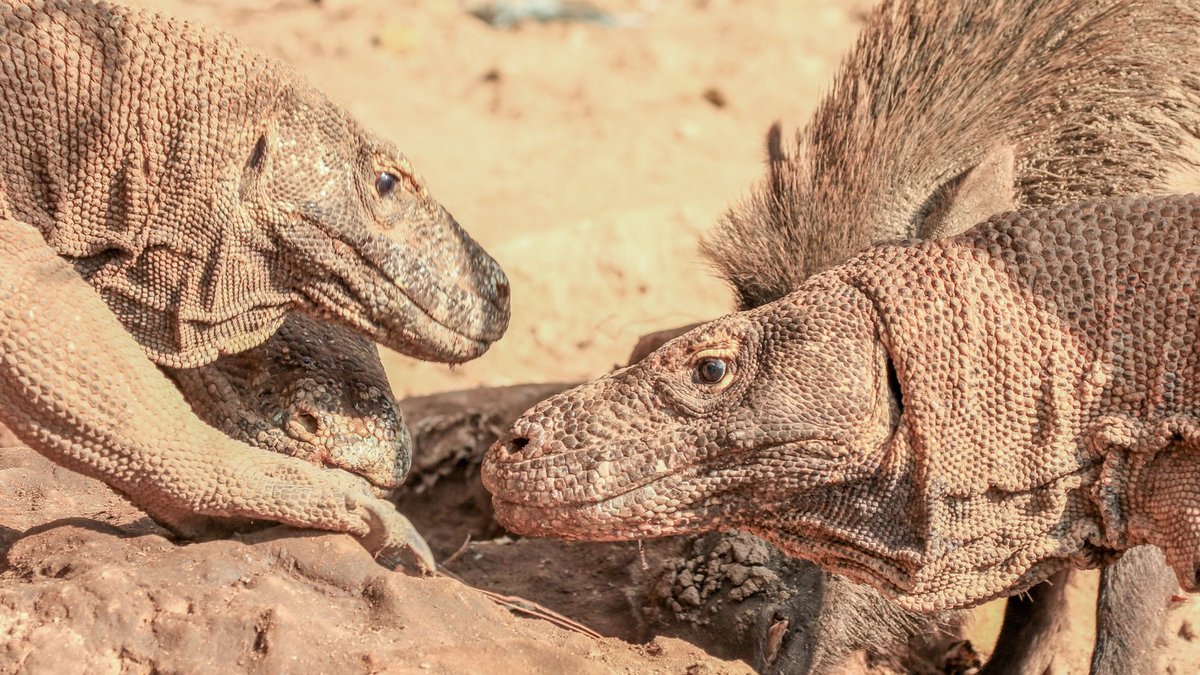
A komodo dragon's bite generates around 1,000 pounds of force, enough to crush bone and immobilize prey in seconds.
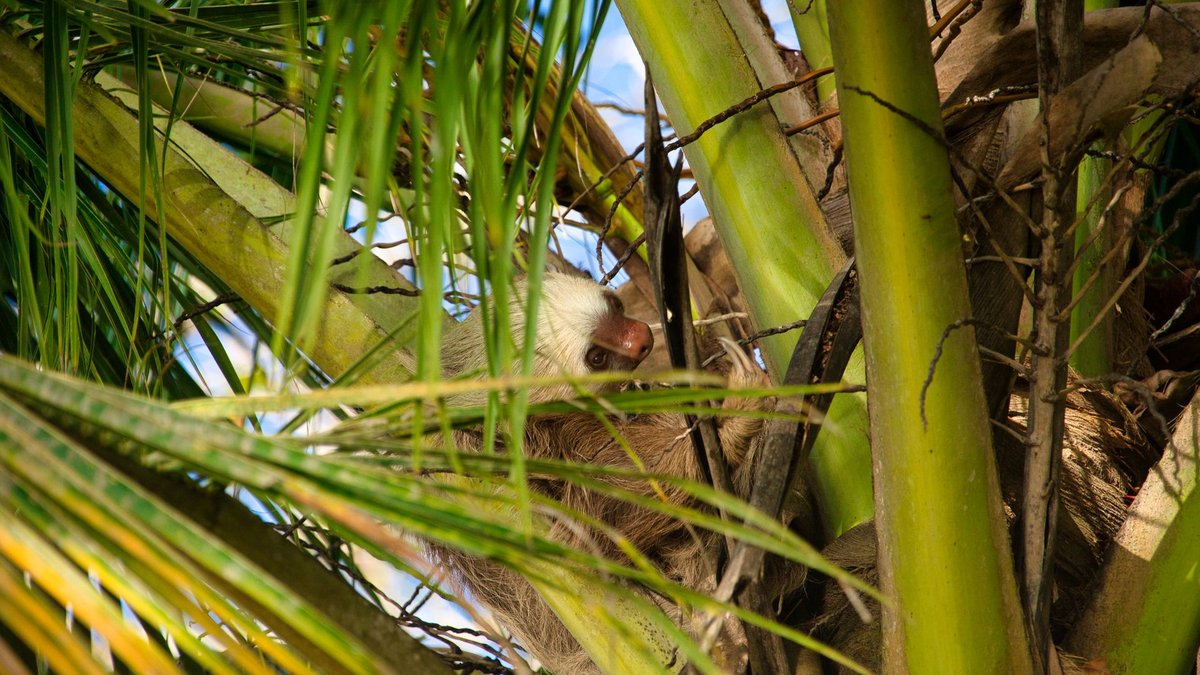
Sloths move slowly because their metabolism is tuned to conserve energy in a food-scarce rainforest environment, not because they're lazy.
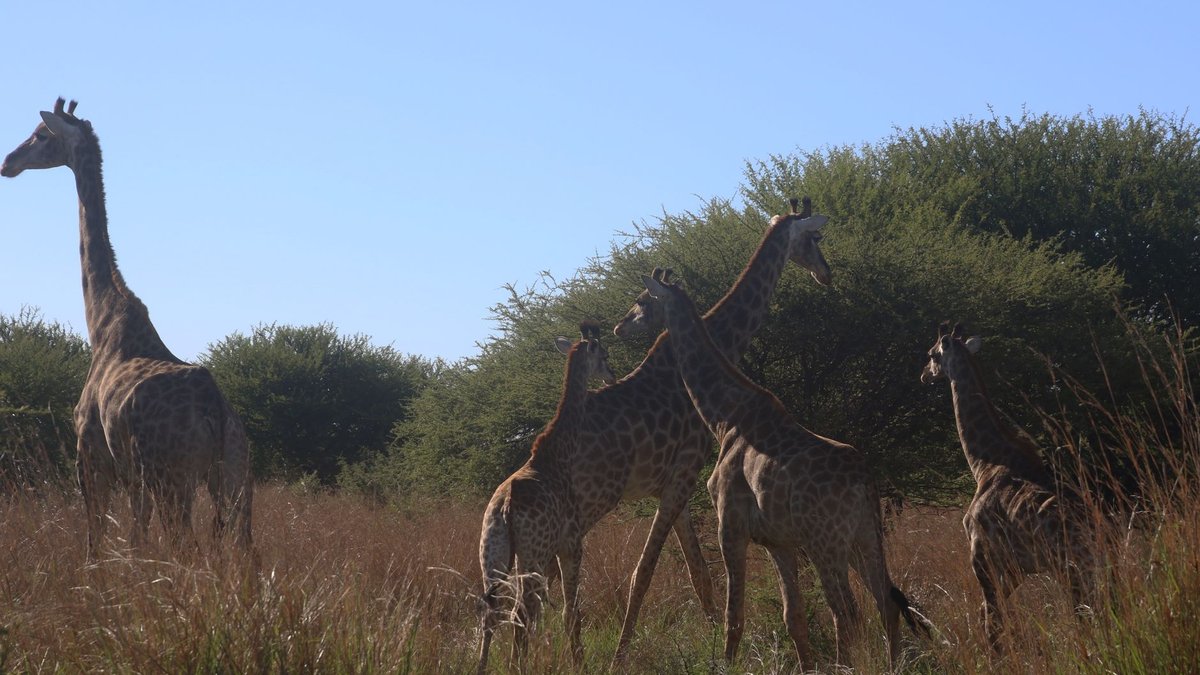
Adult male giraffes can reach 18 feet tall, with their long necks accounting for about 6 feet of that height.
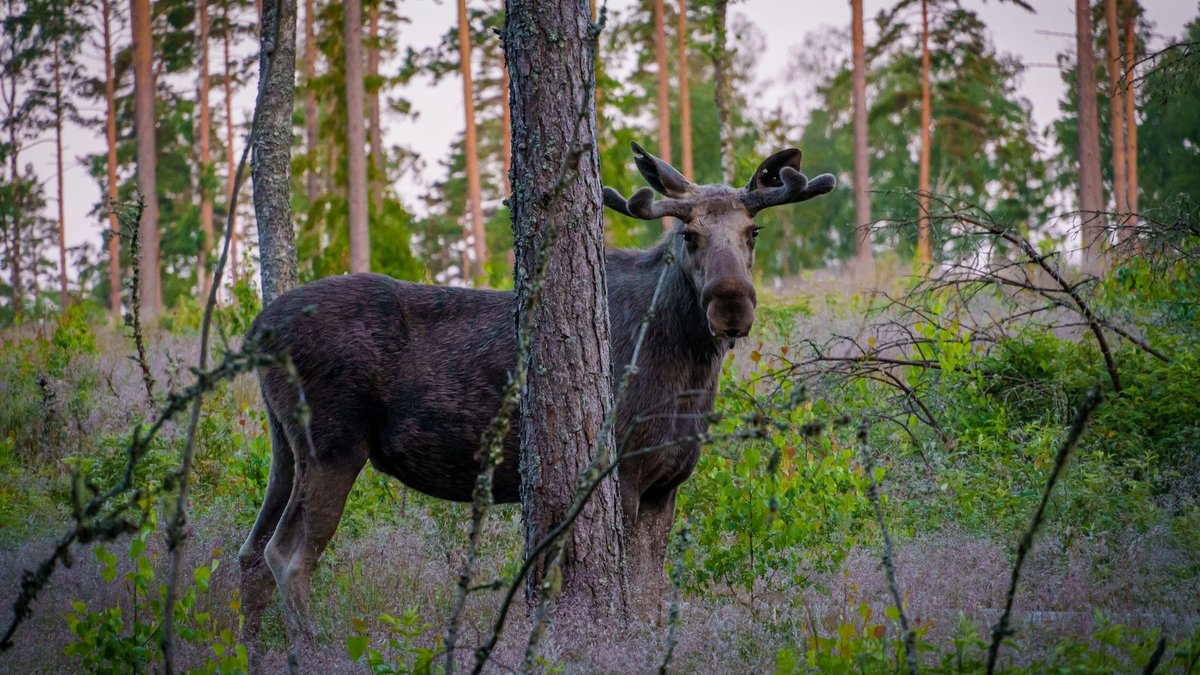
A moose can weigh over 1,500 pounds and stand 10 feet tall at the shoulder—so massive that a 1921 collision made the New York Tribune news.
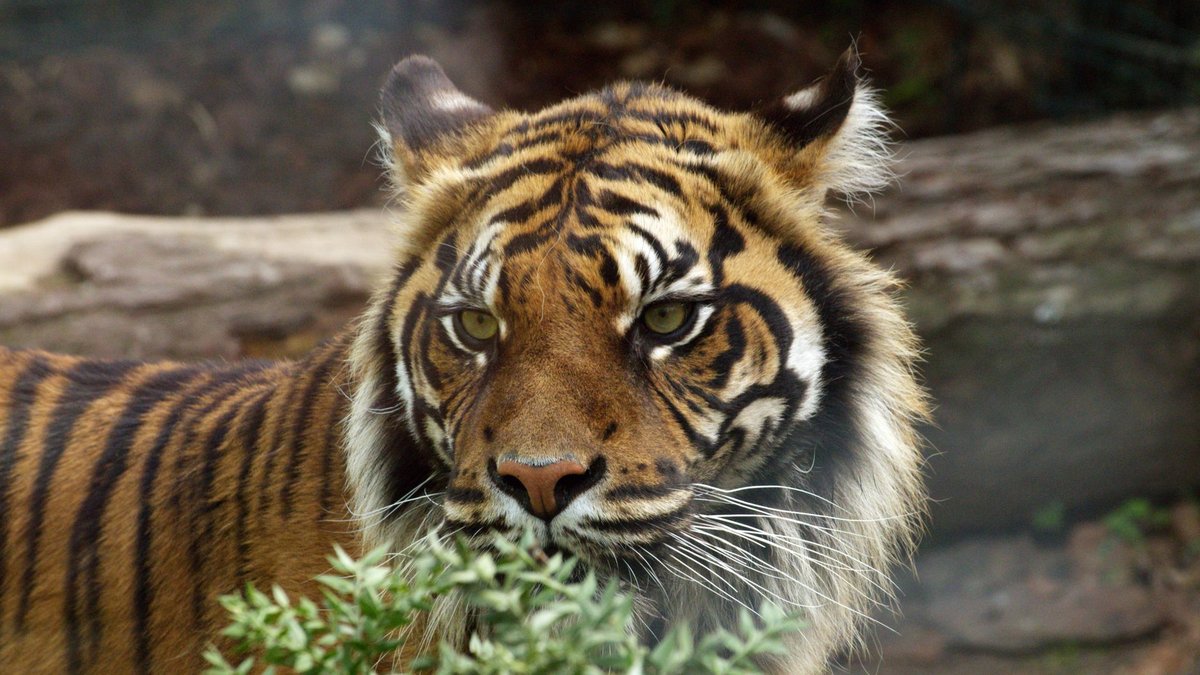
A tiger's bite delivers roughly 1,050 pounds of pressure per square inch. To picture that: a human bite manages around 150 PSI.
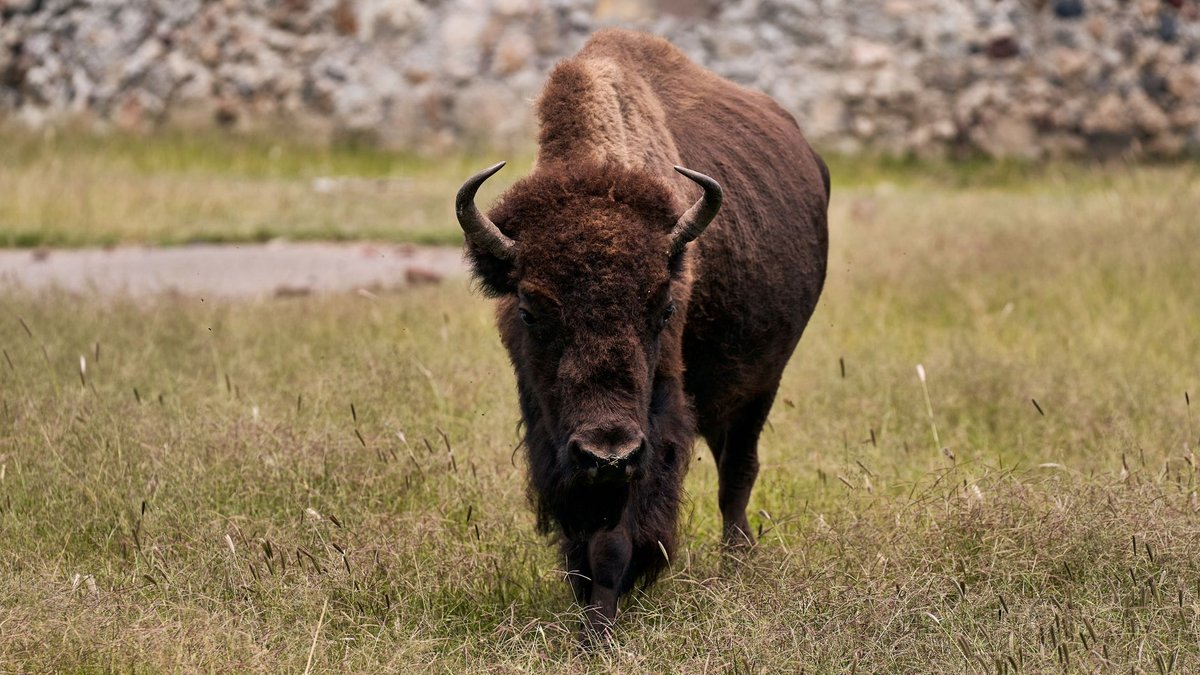
A bison can jump straight up six feet. Not across a field. Straight up, all vertical.
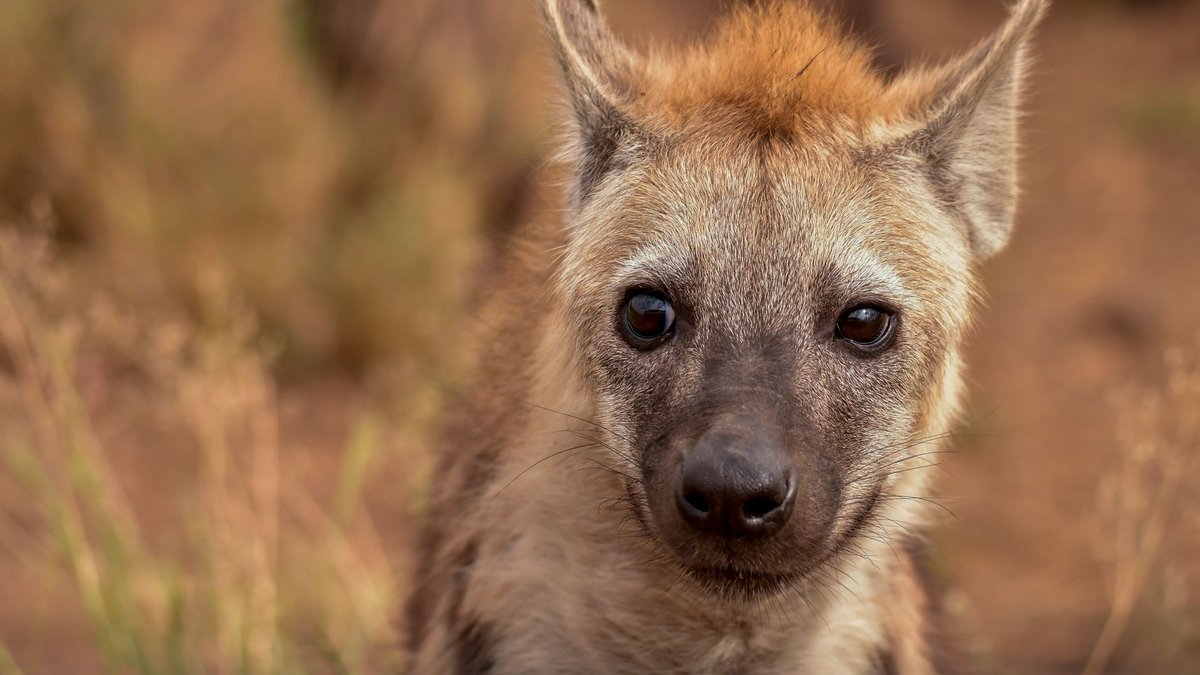
The New-York Tribune for September 7, 1902, carried a notice about hyenas that would make any modern wildlife biologist wince.
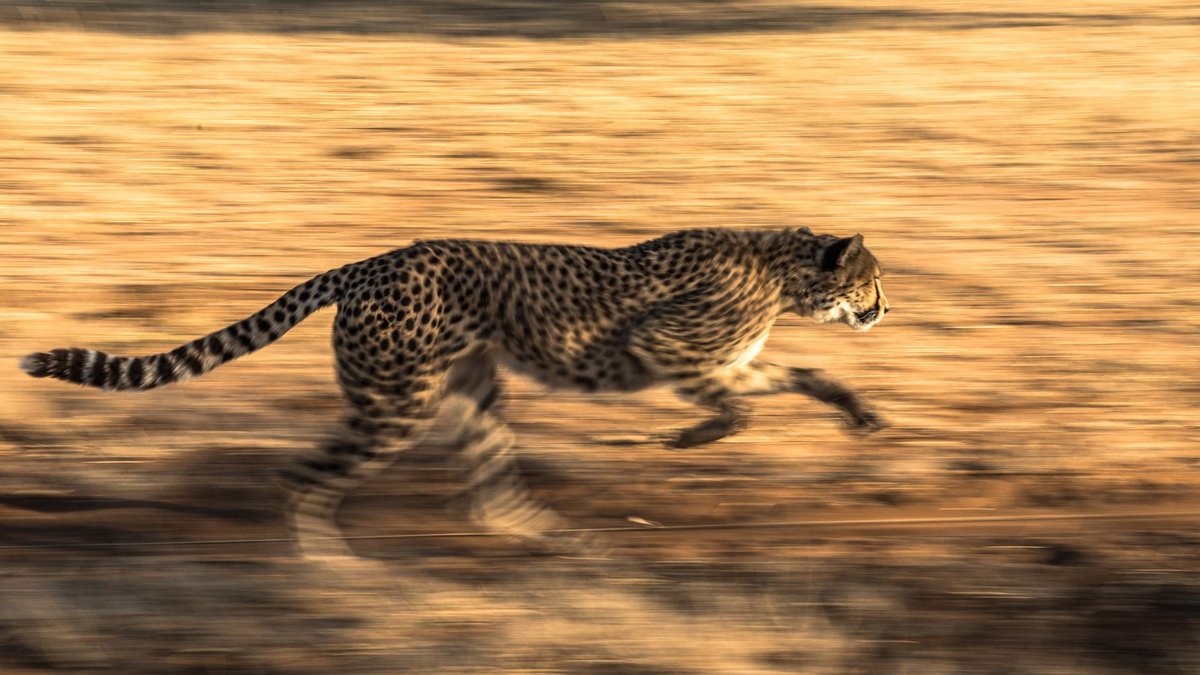
Zero to 60 in three seconds. That's not a Ferrari spec sheet—that's a cheetah from a standstill to near-highway speed, faster than a Porsche 911. The acceleration alone is the real weapon.
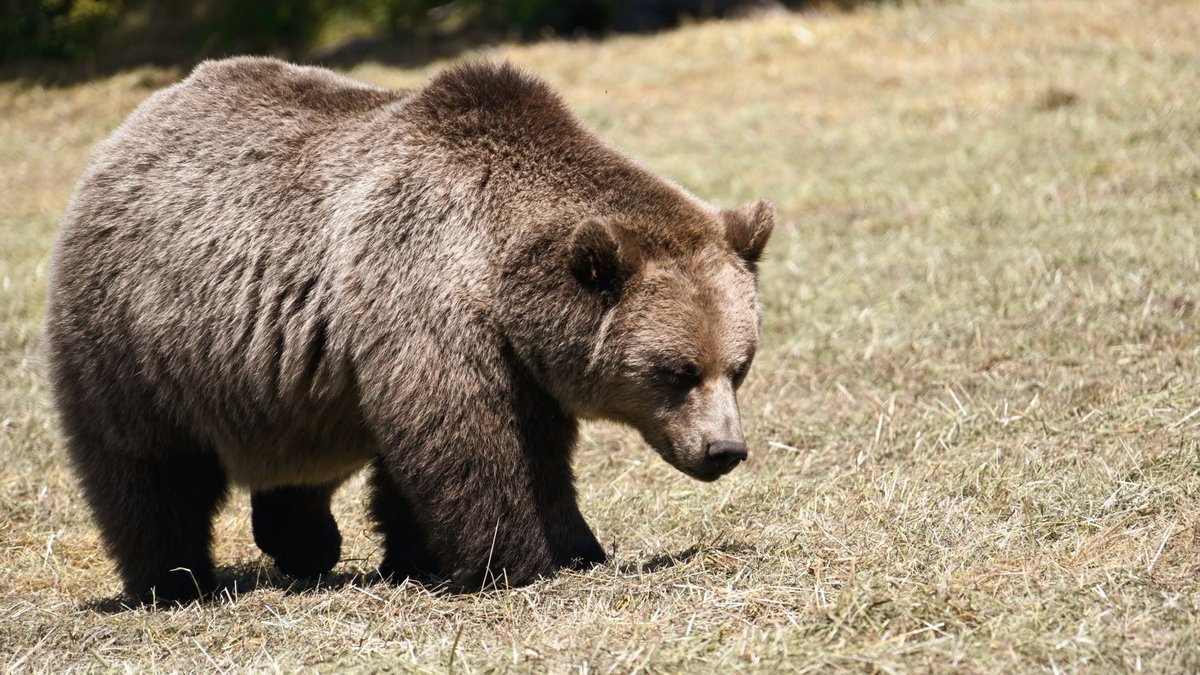
A grizzly bear can hit 35 miles per hour.
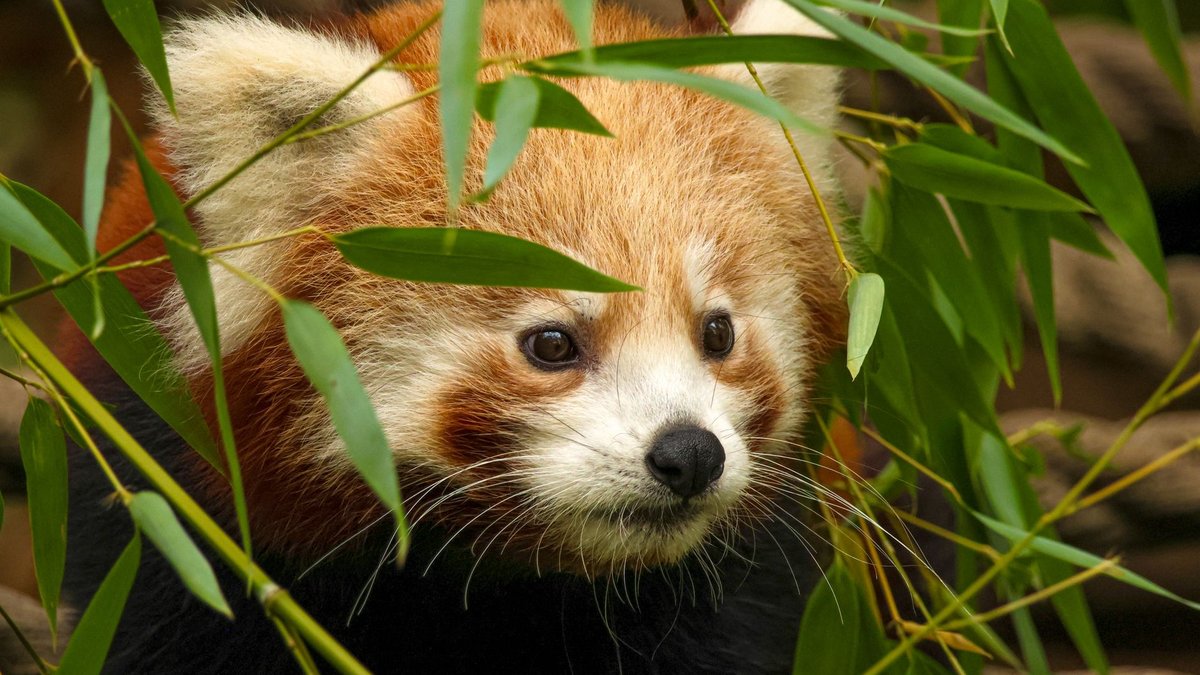
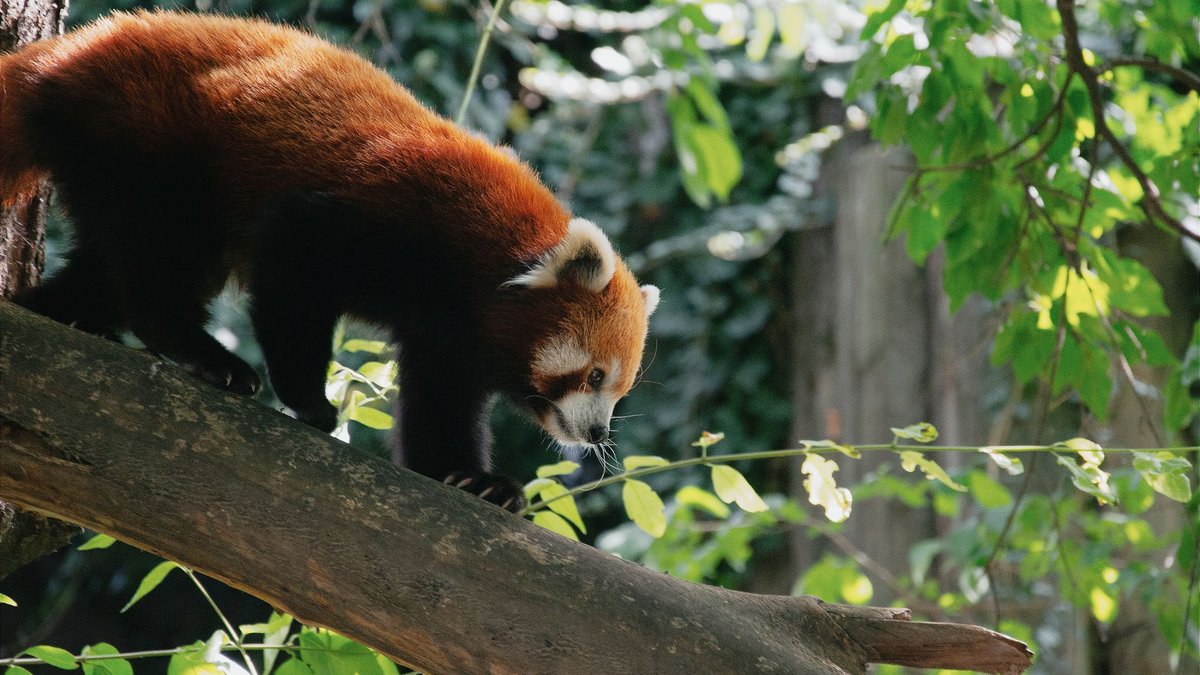
A red panda weighs about as much as a house cat and looks like someone crossed a fox with a raccoon. It is not a panda.

A crocodile loose in Honolulu would have been a genuine catastrophe in September 1906.
The Ogden Standard ran something odd on May 22, 1909.
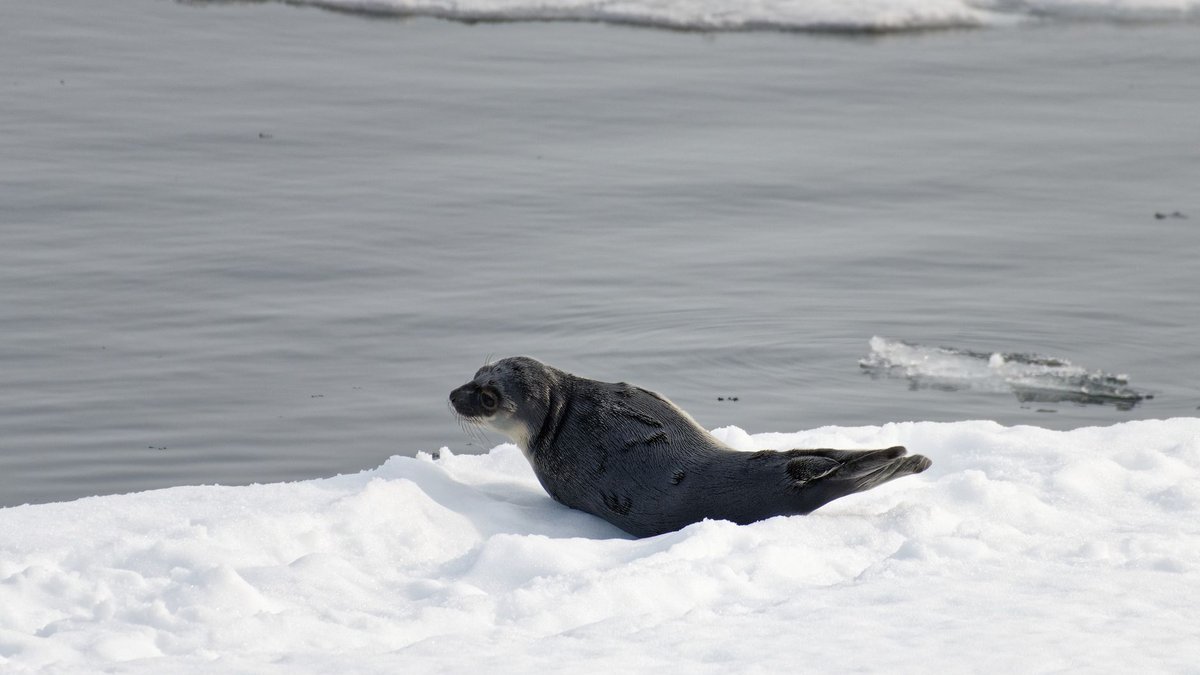
A Weddell seal drops through Antarctic water so cold it would kill most animals in minutes. It descends past 2,000 feet.
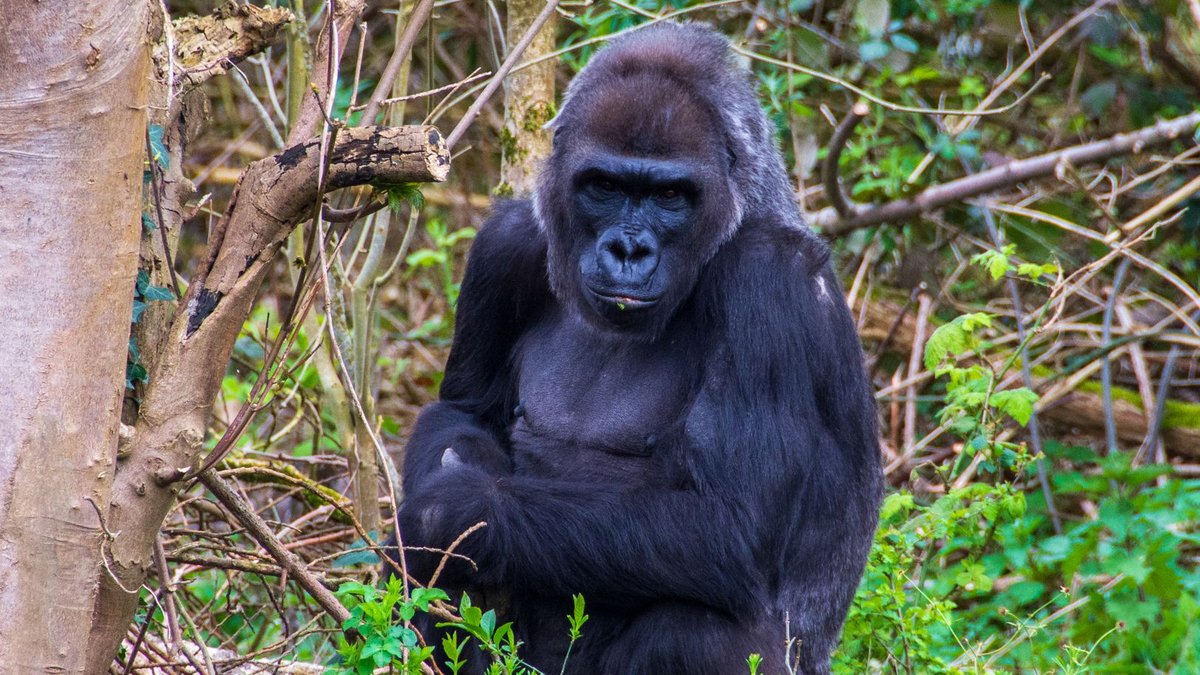
A silverback gorilla can tear apart a banana with one hand. Not peel it. Tear the whole fruit—peel, flesh, everything—in half like paper. That's not the headline fact, though.
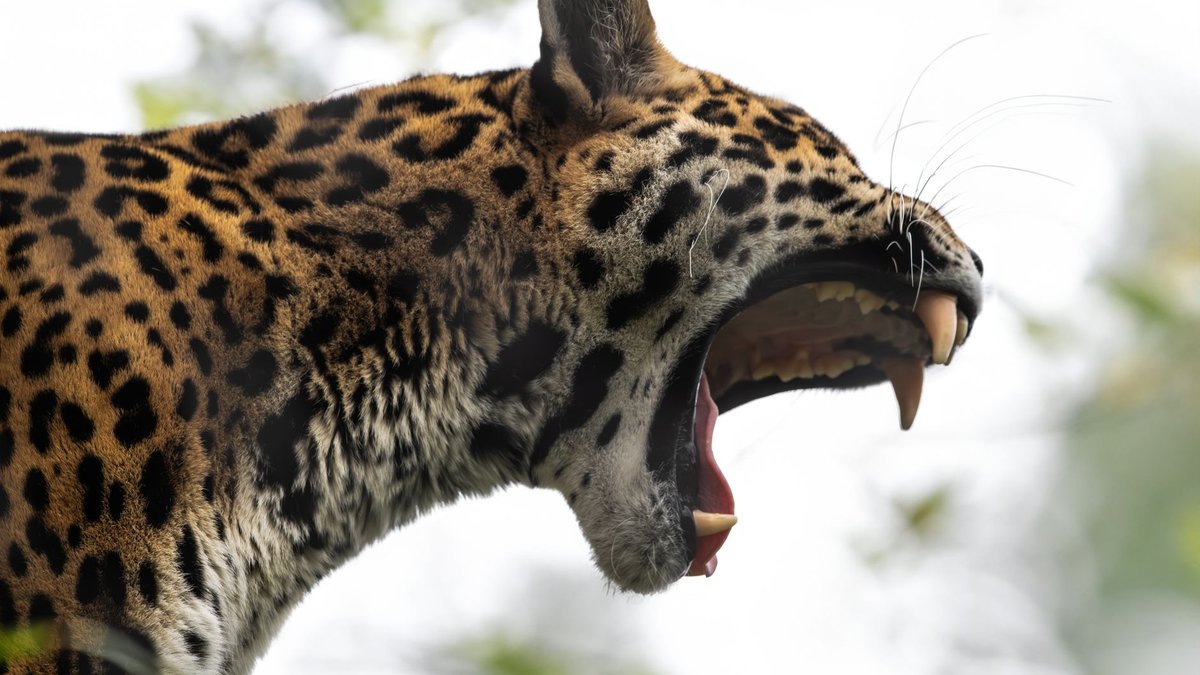
A jaguar kills differently than a lion or tiger. While other big cats go for the throat, a jaguar bites straight through bone. The bite force: 1,500 pounds per square inch.
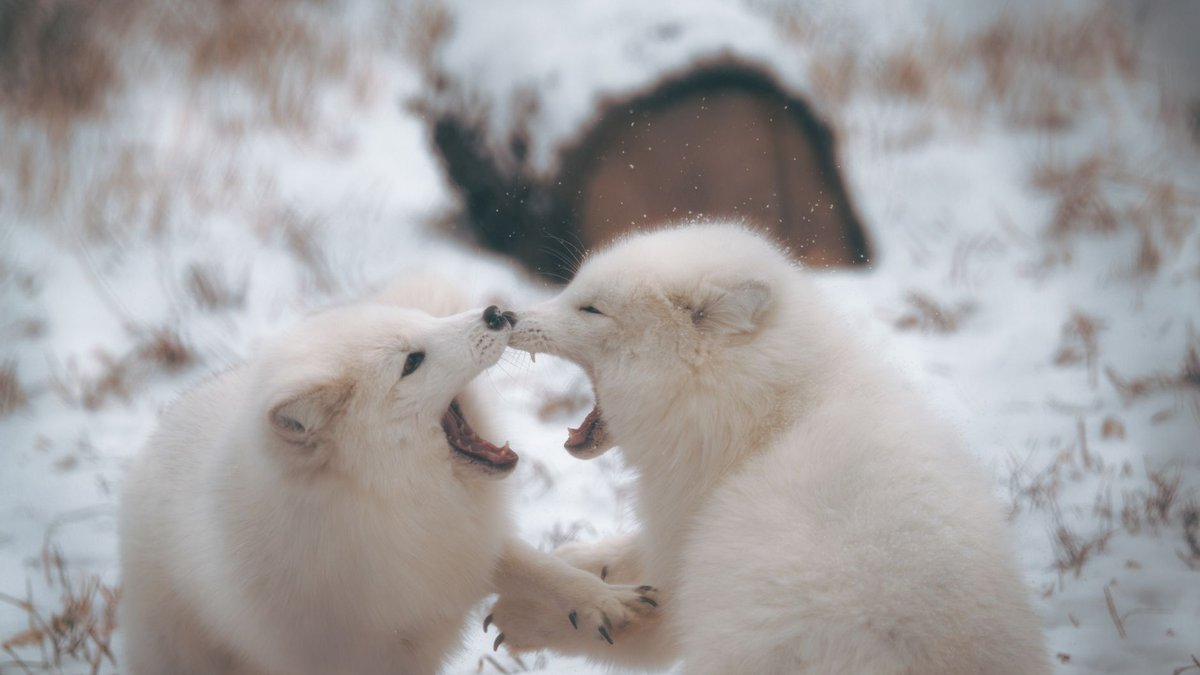
An arctic fox stands motionless in the snow. Its ears twitch. It leaps straight up and crashes through the crust—and emerges with a lemming in its mouth, plucked from a burrow it never saw.
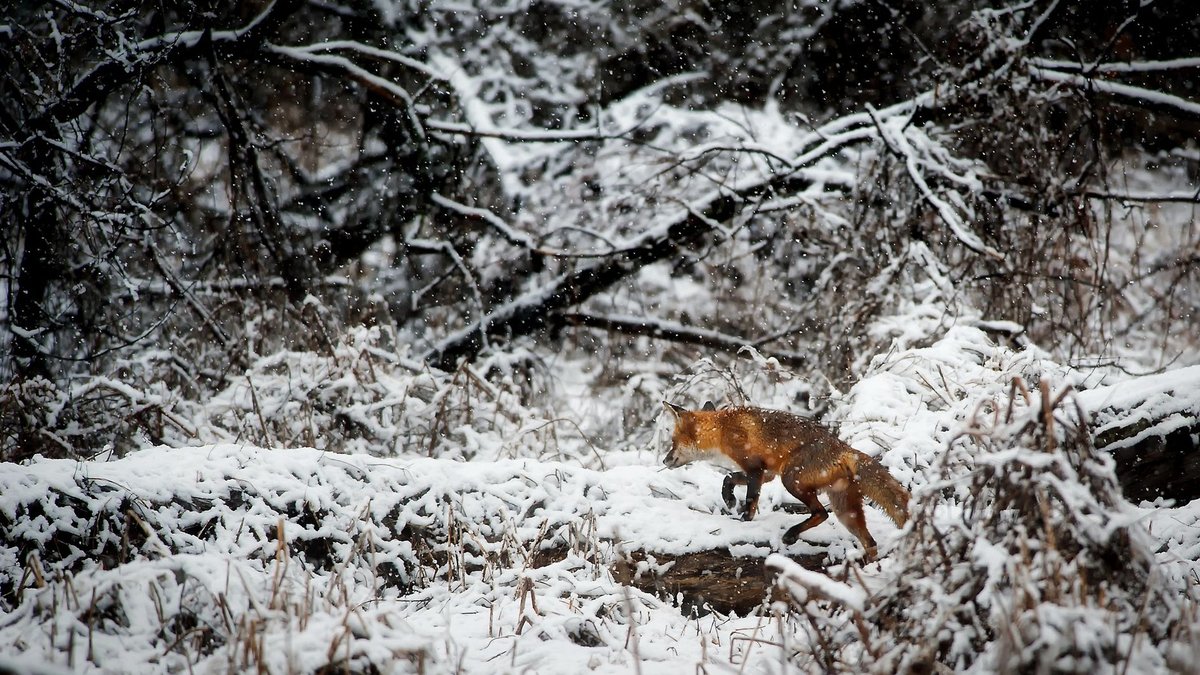
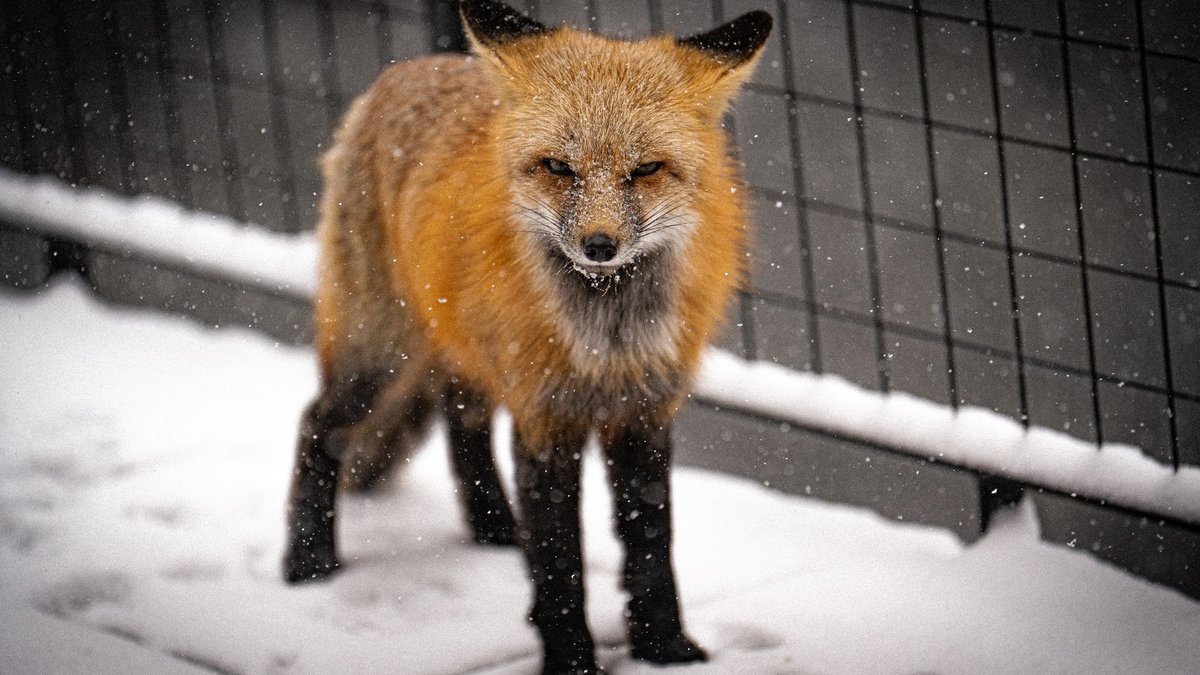
A fox stops mid-stride in deep snow. Ears swivel. It leaps straight up and plunges headfirst into white nothing. When it surfaces, a mouse dangles from its teeth. This isn't luck.
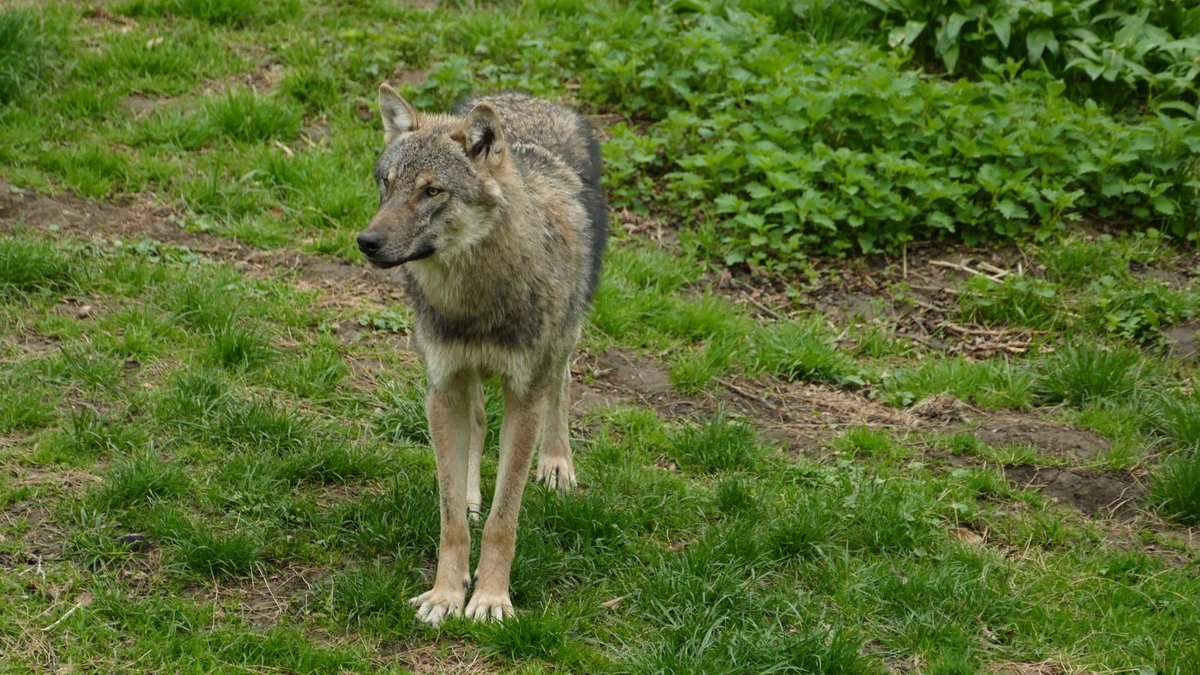
The Fairhaven Herald reported on wolf bounties in April 1892, when predator control wasn't a debate—it was policy. Settlers wanted wolves dead. The government paid for proof.
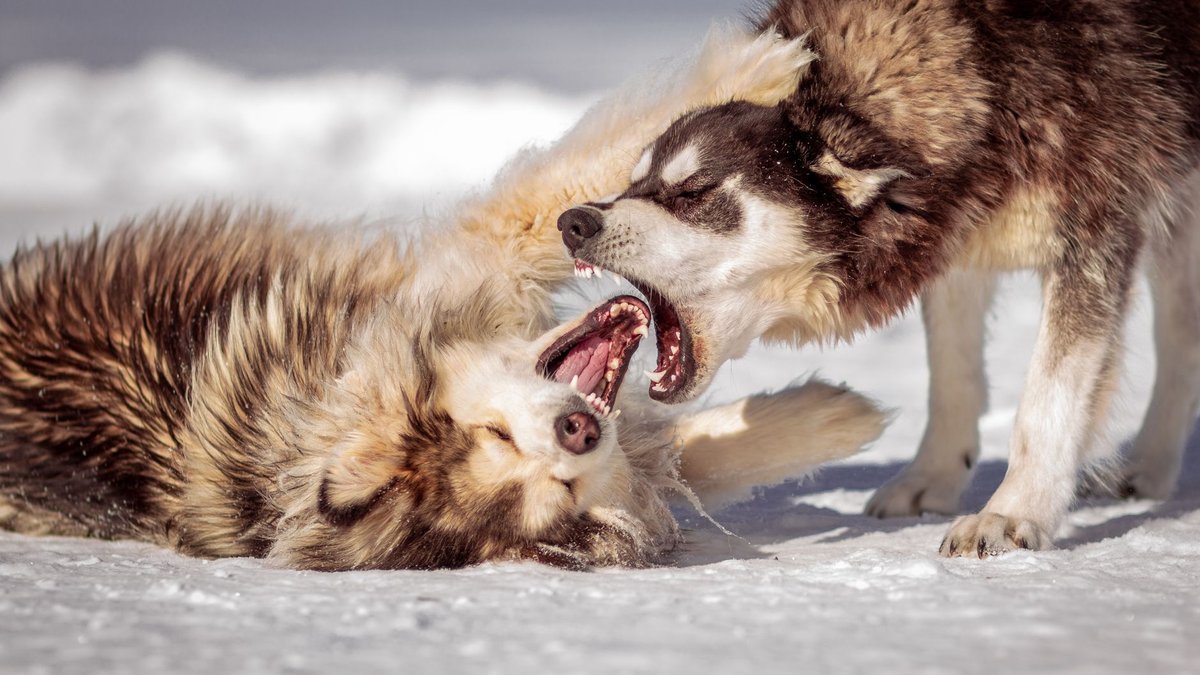
A wolverine's bite exerts 1,900 pounds per square inch. For comparison, a human bites at 150 PSI. A grizzly bear, 300 pounds of apex predator, manages around 1,200 PSI.
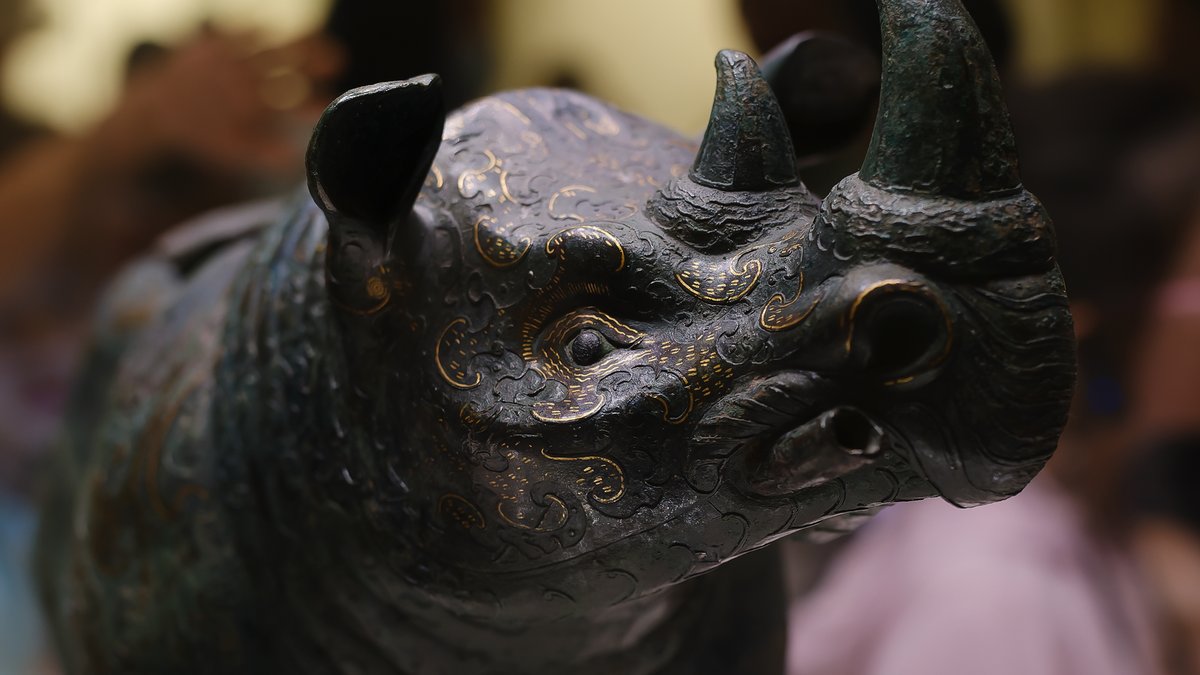
The Tensas Gazette, October 21, 1910. A small-town Louisiana paper, the kind that reported on cotton prices and church socials, found room on page 8 to write about a rhinoceros.
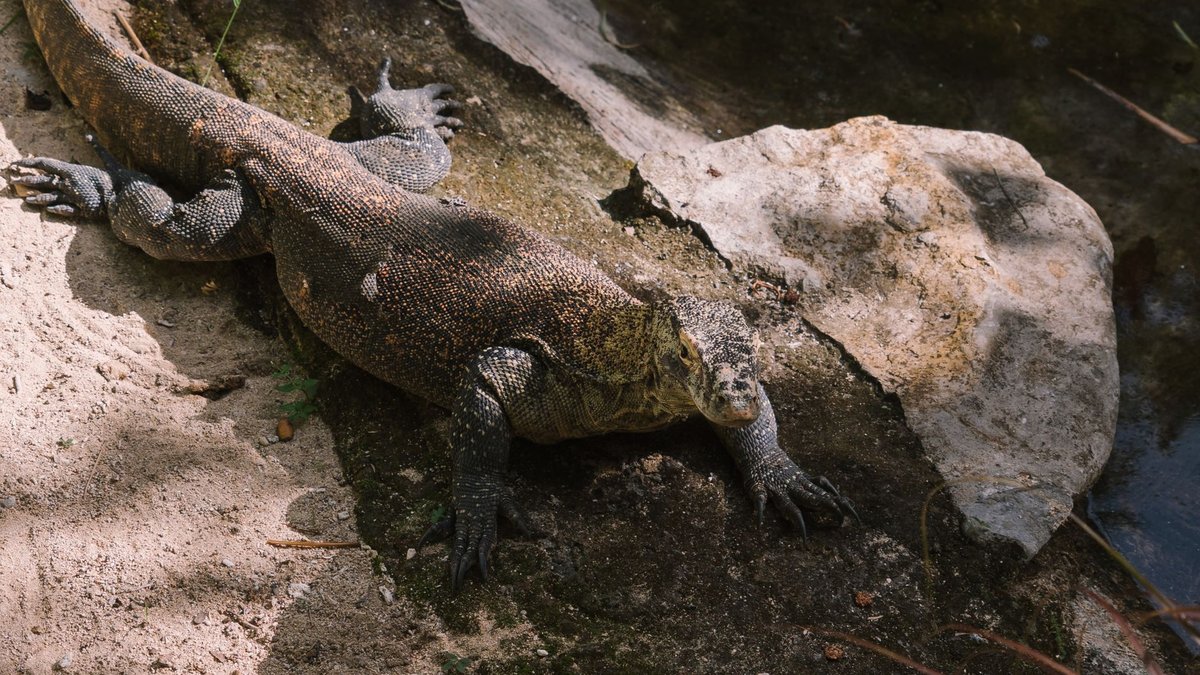
The San Antonio Light, April 15, 1934. Somewhere on that page—amid the Depression-era classifieds and local politics—Americans were reading about creatures they'd never heard of: Komodo dragons.
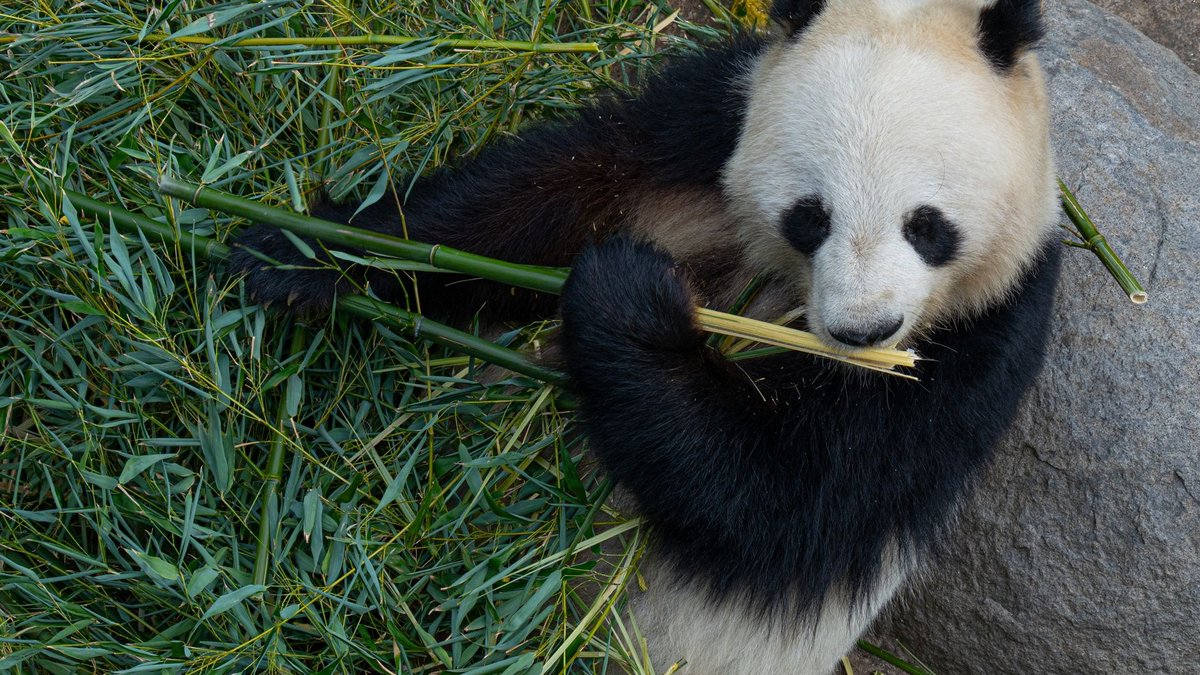
A giant panda's digestive system is a carnivore's digestive system. Short, simple, efficient at breaking down meat.
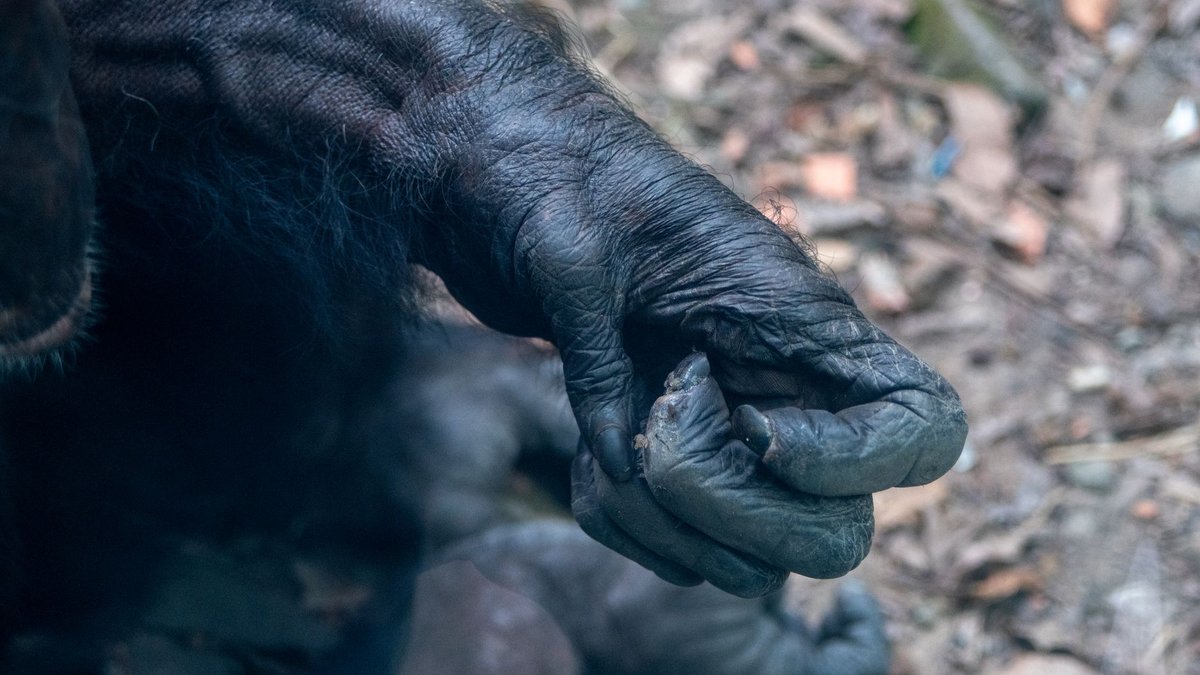
A chimpanzee can snap a branch as thick as your wrist without effort. Grip it with both hands and pull, and the force registers somewhere north of 1,300 pounds per square inch.
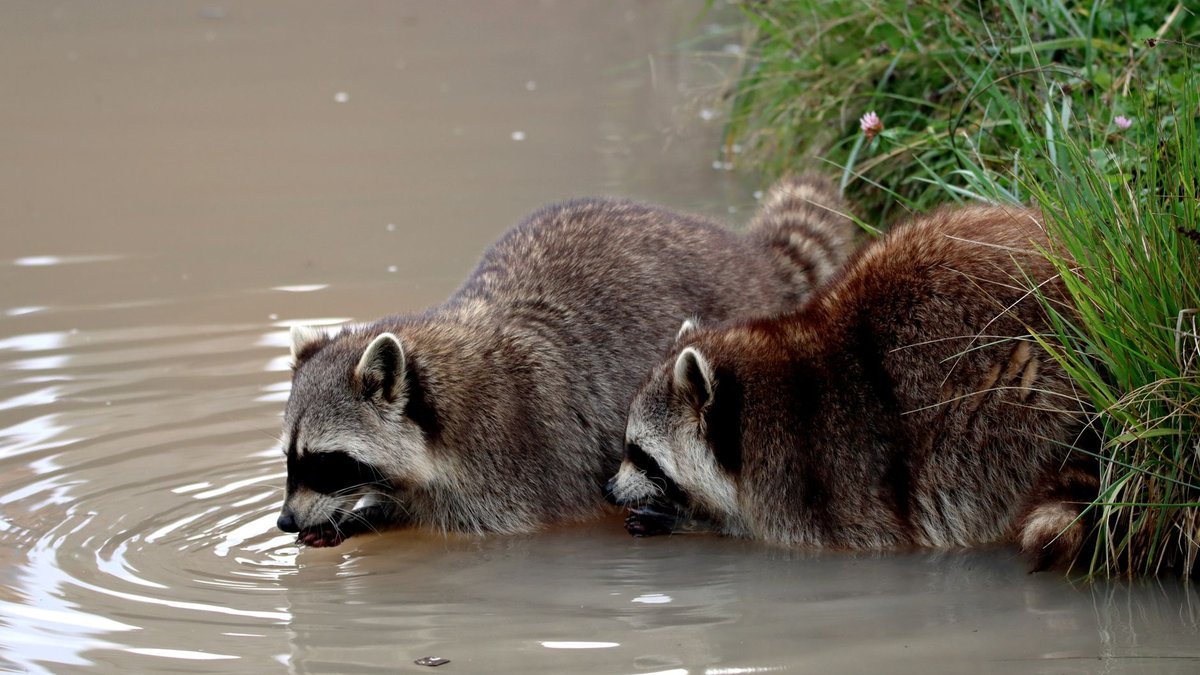
A raccoon's front paws contain about 4 times more sensory nerve endings per square inch than a human fingertip.
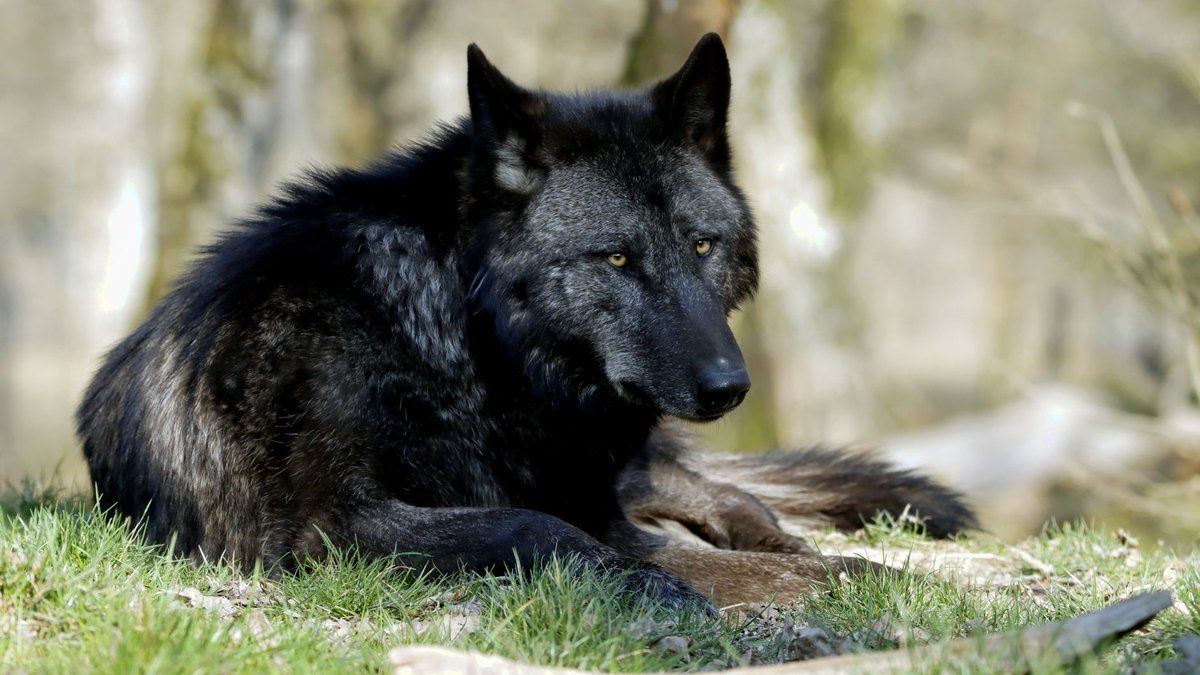
An April 1892 edition of the Fairhaven Herald, a small newspaper in Washington Territory, ran a bounty notice. Wolves: fifty dollars a pelt. That was real money—a laborer earned about a dollar a day.
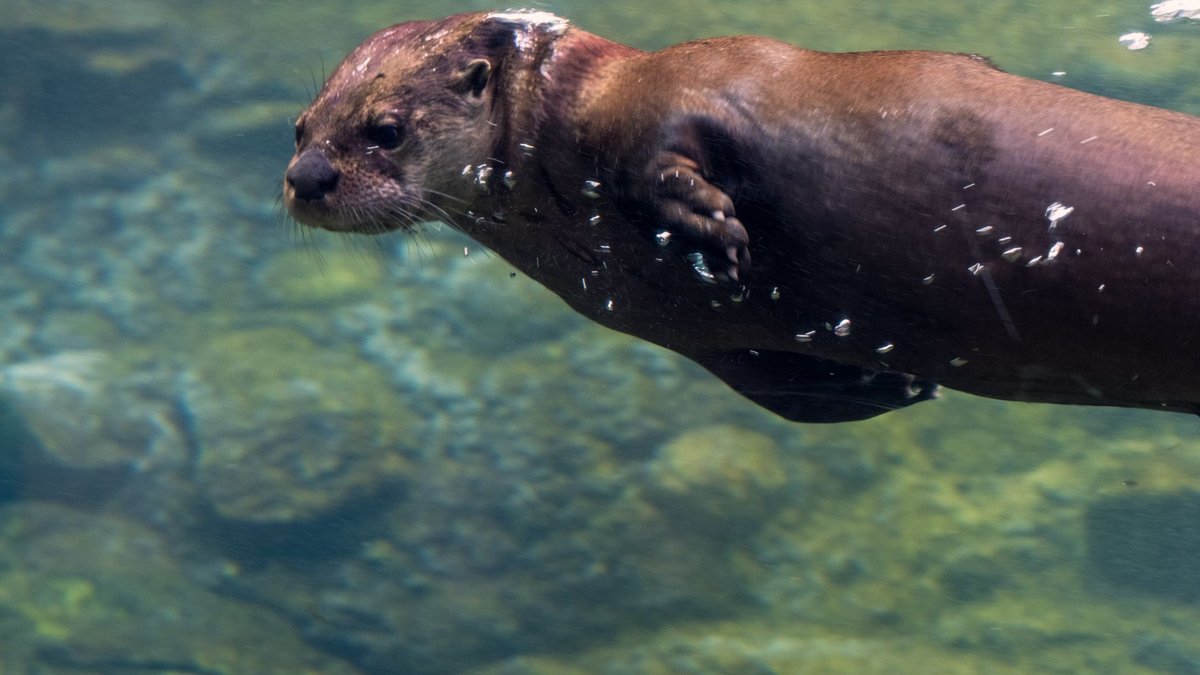
A sea otter can vanish underwater for five minutes straight.
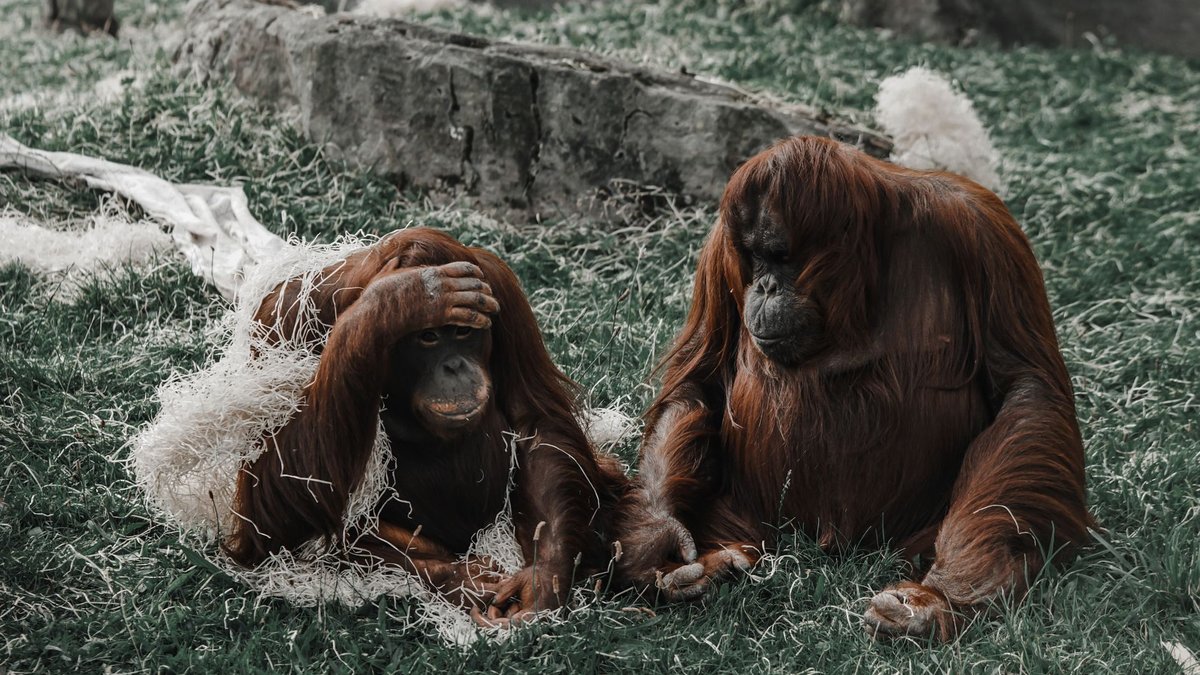
The San Antonio Light ran a piece about orangutans on November 15, 1936.
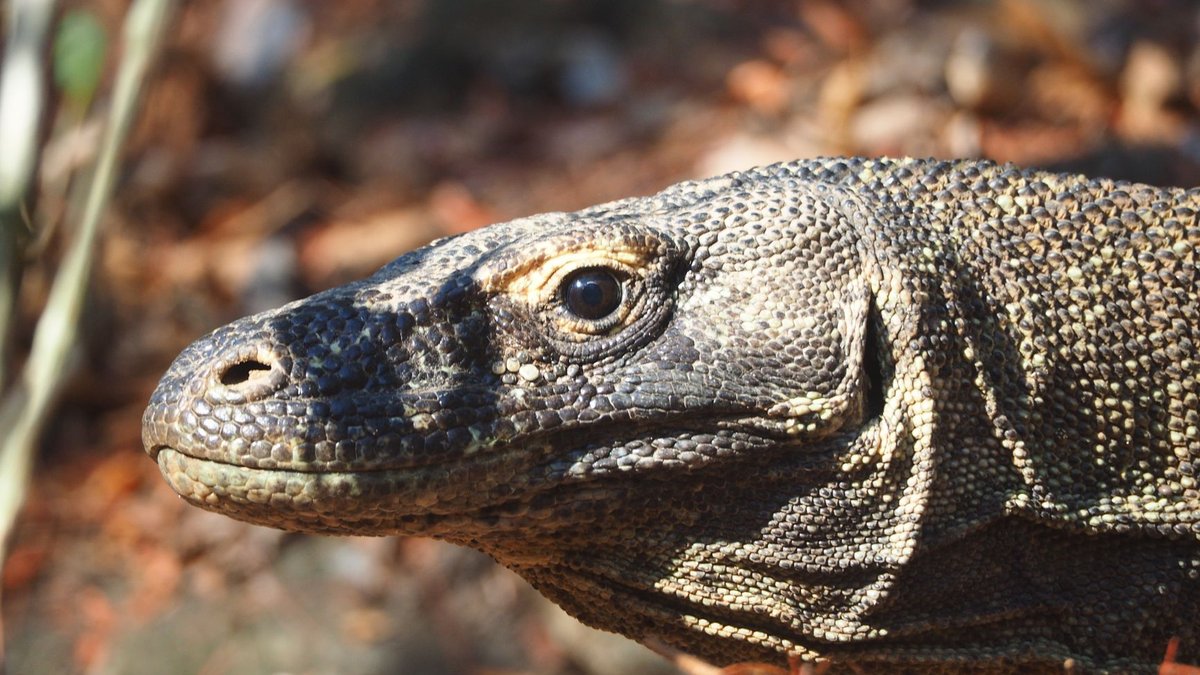
A Komodo dragon's bite delivers venom. For decades, herpetologists assumed the massive lizard simply relied on crushing force and bacteria in its saliva—the hunting strategy of a reptilian tank.
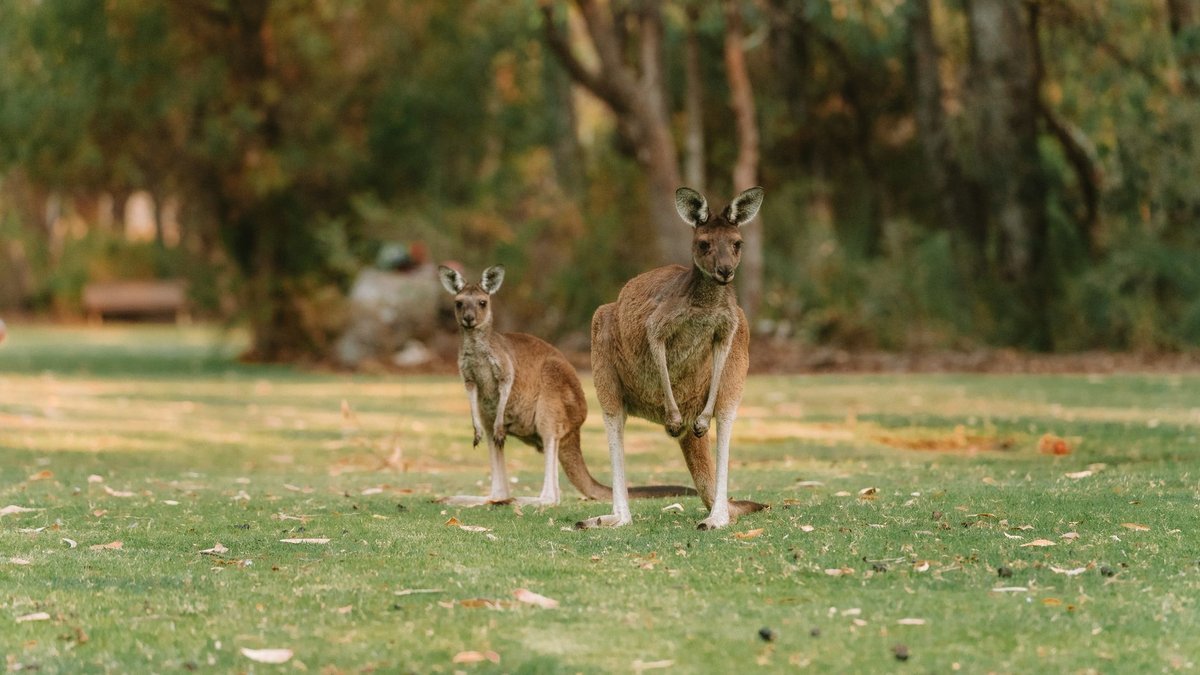
On March 21, 1913, The Grenada Sentinel in Mississippi ran a story about kangaroos. Not because one had arrived at a local zoo or a naturalist had returned from Australia with a specimen.
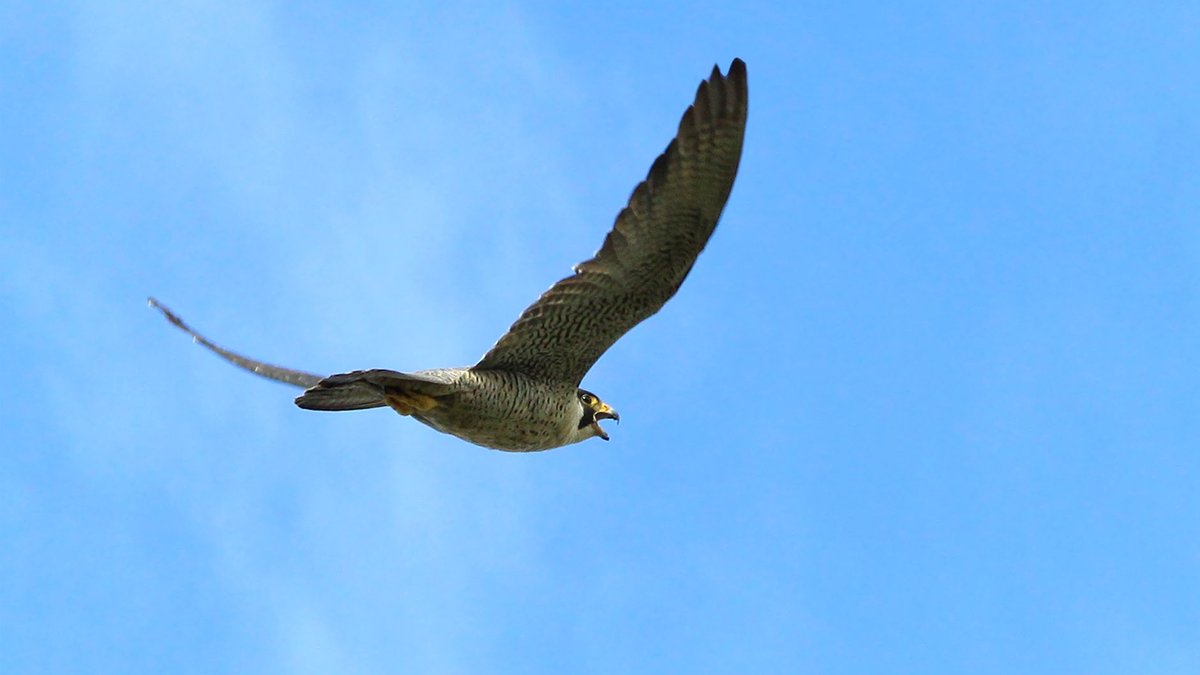
A peregrine falcon folds its wings and drops from the sky. In seconds, it's moving faster than a Formula 1 race car, faster than a bullet train, faster than anything else alive.
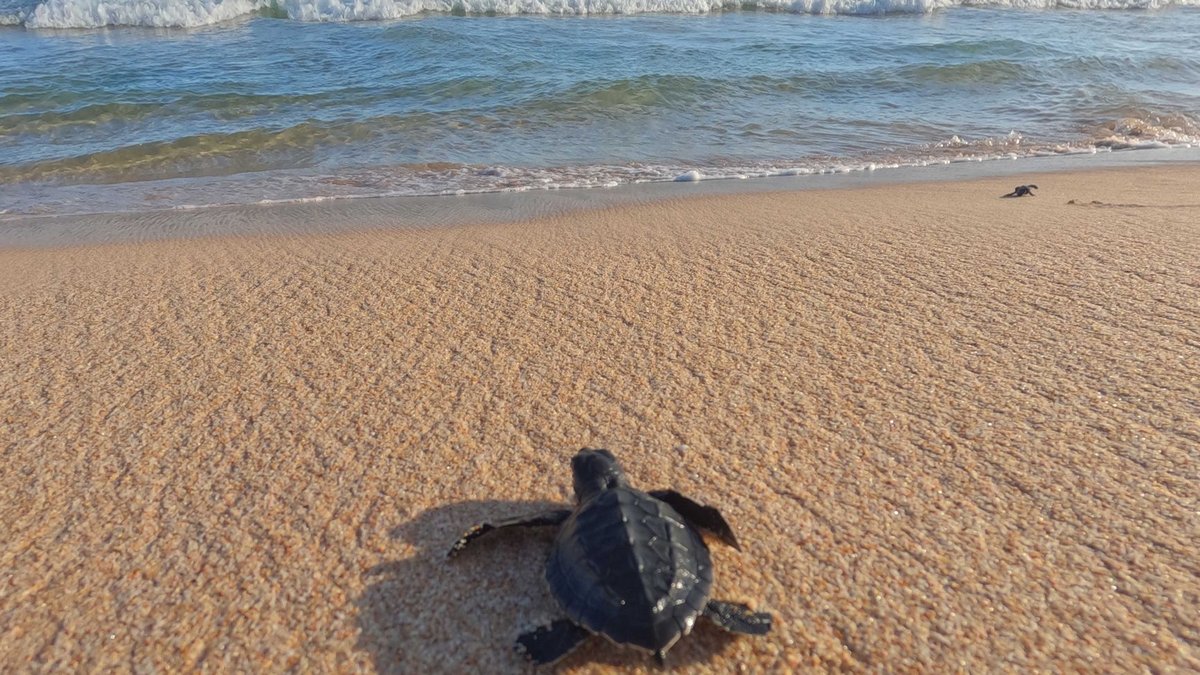
A loggerhead sea turtle hatched on a Florida beach in 1987 swam out into the Atlantic and didn't return for 50 years. When it did, it came back to nest on the same stretch of sand where it was born.
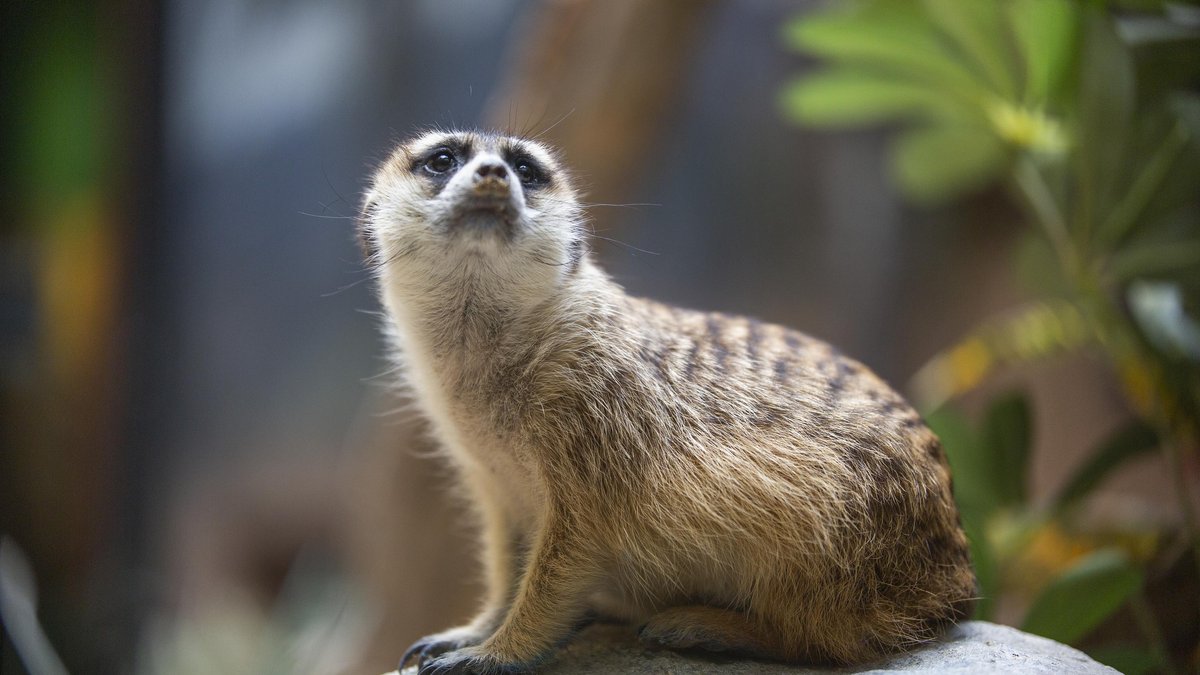
A meerkat stands on its hind legs, motionless, scanning the sky. That posture—back straight, front paws tucked, eyes forward—is the animal's entire survival strategy compressed into a stance.
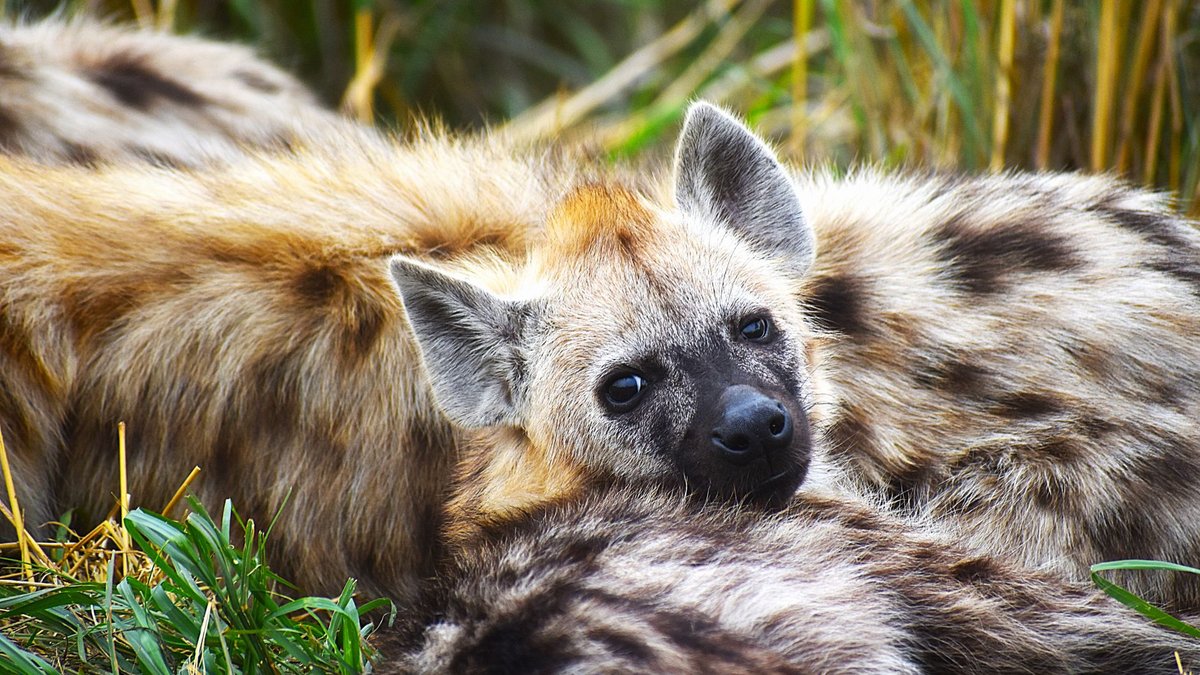
The New York Tribune ran a piece on hyenas in September 1902 that reads like pure fiction now—which is the point.
On September 7, 1902, the New York Tribune ran a story about hyenas.
A kangaroo's tail doesn't just hang there. It's a fifth leg—a muscular brace that anchors the entire bouncing system and does nearly as much work as any of the four actual limbs.
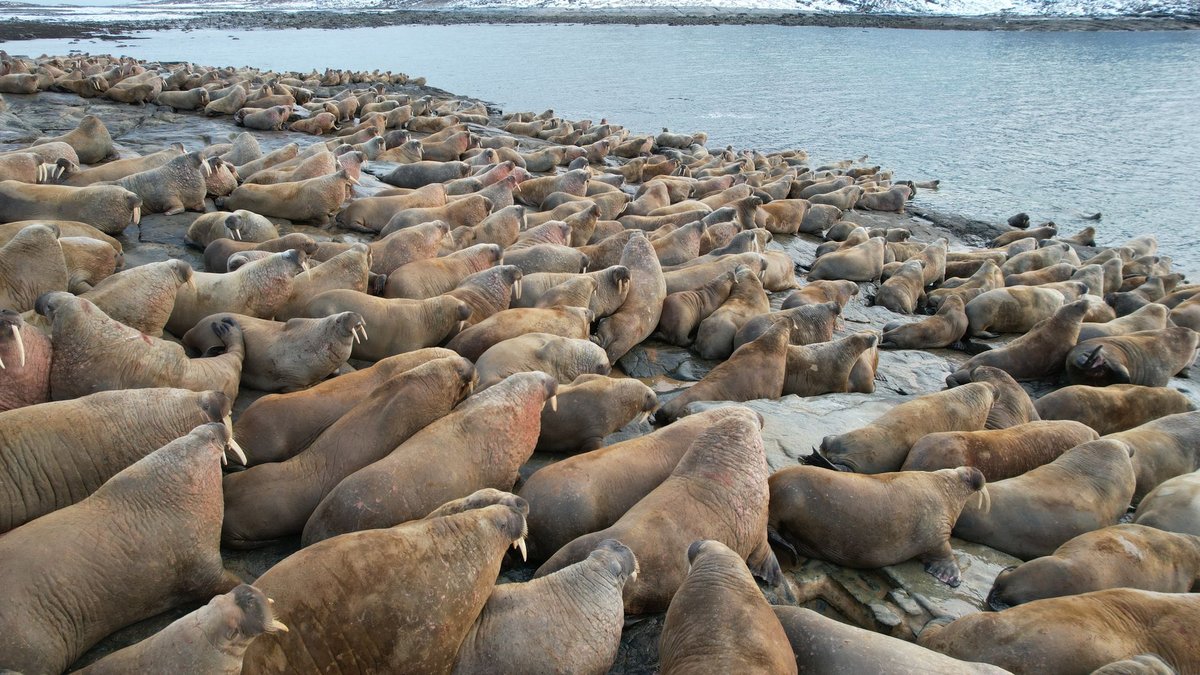
A walrus hauling itself onto pack ice looks like it's doing a one-armed pushup in slow motion. The tusks come down first—two ivory spears up to four feet long, sometimes weighing twenty pounds each.
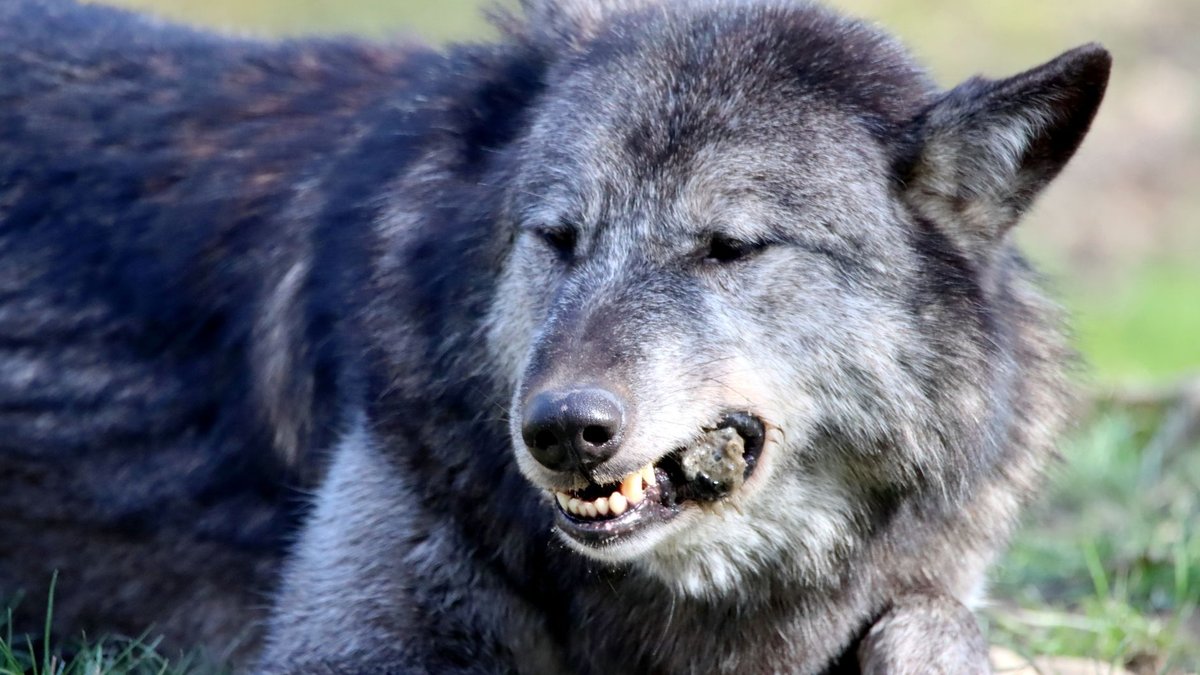
A gray wolf's bite delivers 400 pounds of force per square inch. That's roughly the pressure of a large grizzly bear clamping down, except the wolf is doing it with a jaw a fraction of the size.
A wolf can bite down with 400 pounds of force per square inch. A large dog manages around 235. That gap matters when you're pulling apart a moose.
240 miles per hour. That's the speed a peregrine falcon hits when it folds its wings and drops toward prey. Nothing else comes close. A greyhound tops out around 45 mph. A cheetah, 70.
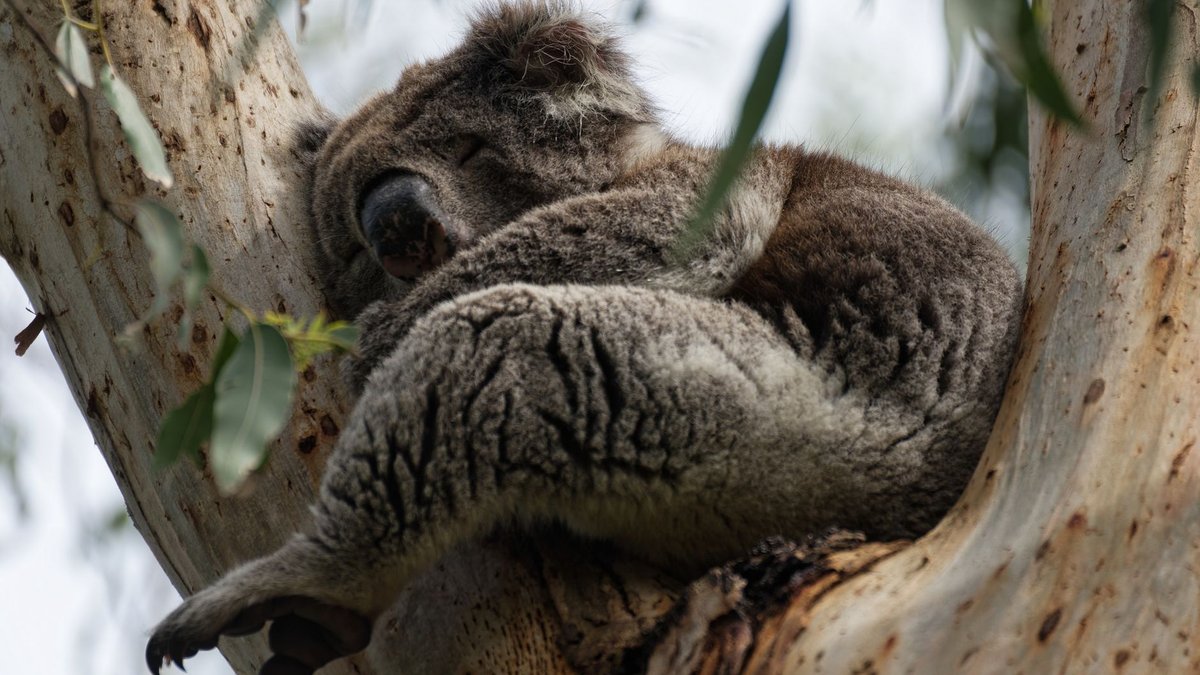
A koala sleeps through most of its life. Twenty to twenty-two hours a day—that's not exaggeration or metaphor, but the literal rhythm of an animal whose body has essentially given up on wakefulness.
A giant panda's paw looks built for crushing. Six digits per foot, including what looks like a thumb.
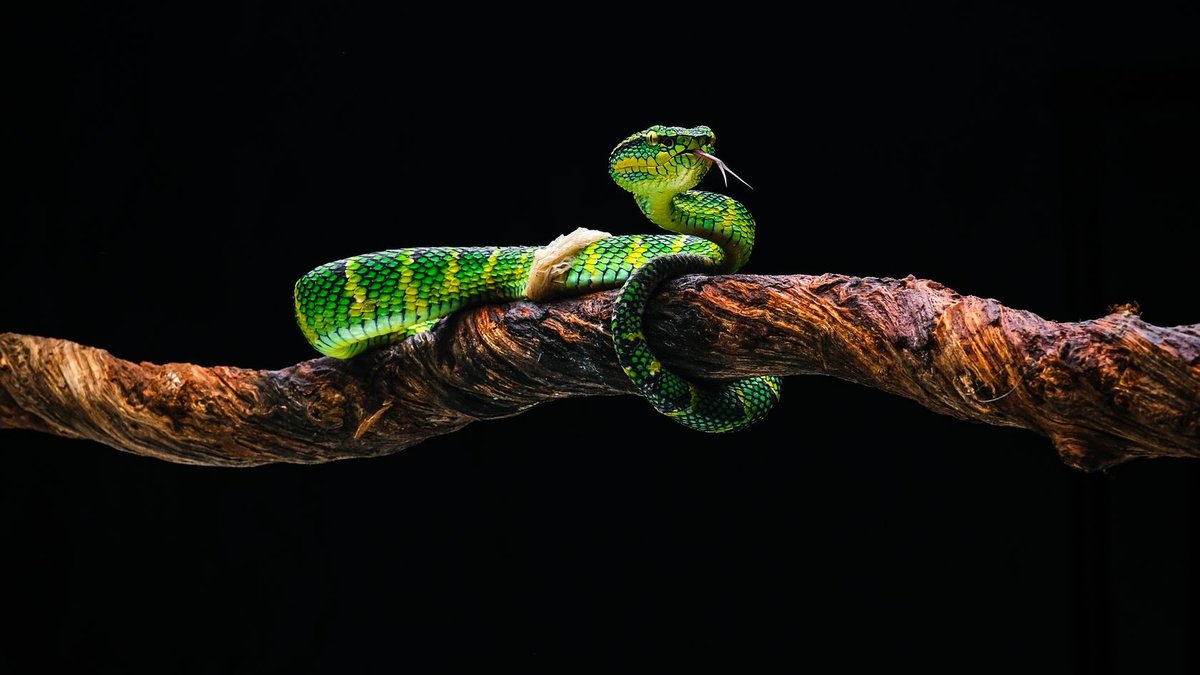
A pit viper doesn't need eyes to hunt. In absolute darkness—the kind where you can't see your own hand—a rattlesnake, copperhead, or cottonmouth can strike a mouse with perfect accuracy.
For decades, zoos and field researchers watched Komodo dragons take down water buffalo five times their weight and assumed it was pure mechanical brutality: teeth, claws, thrashing.
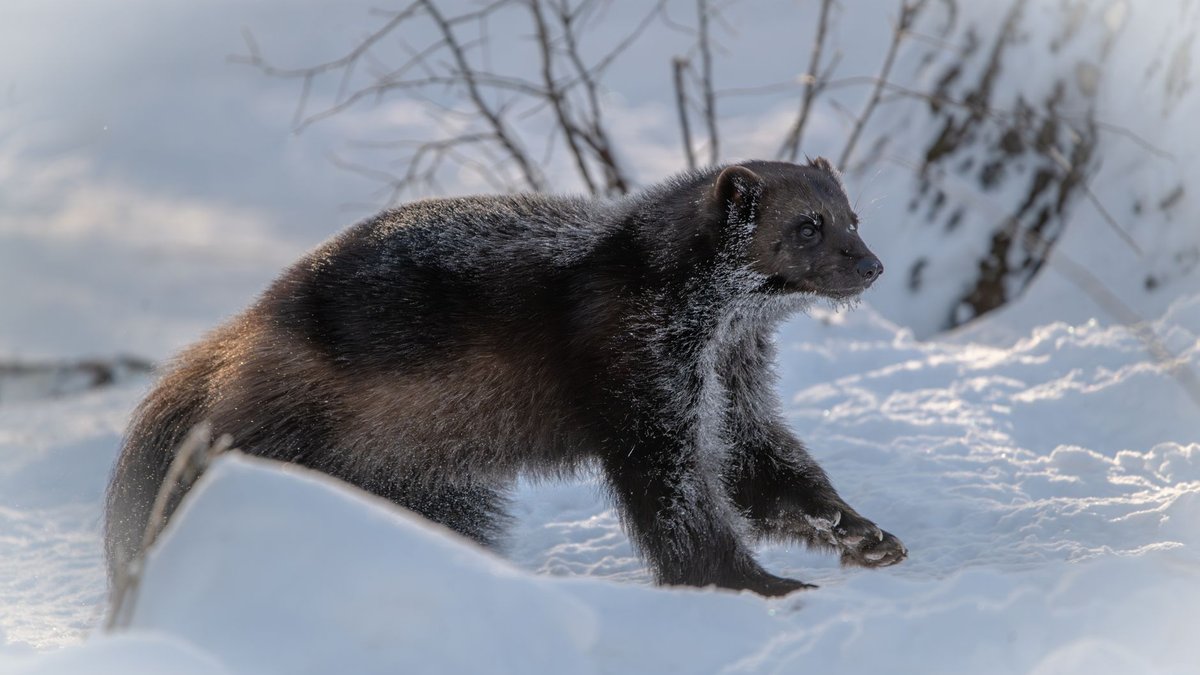
A wolverine's bite delivers 1,900 pounds of pressure per square inch. For comparison, a lion's is about 650.
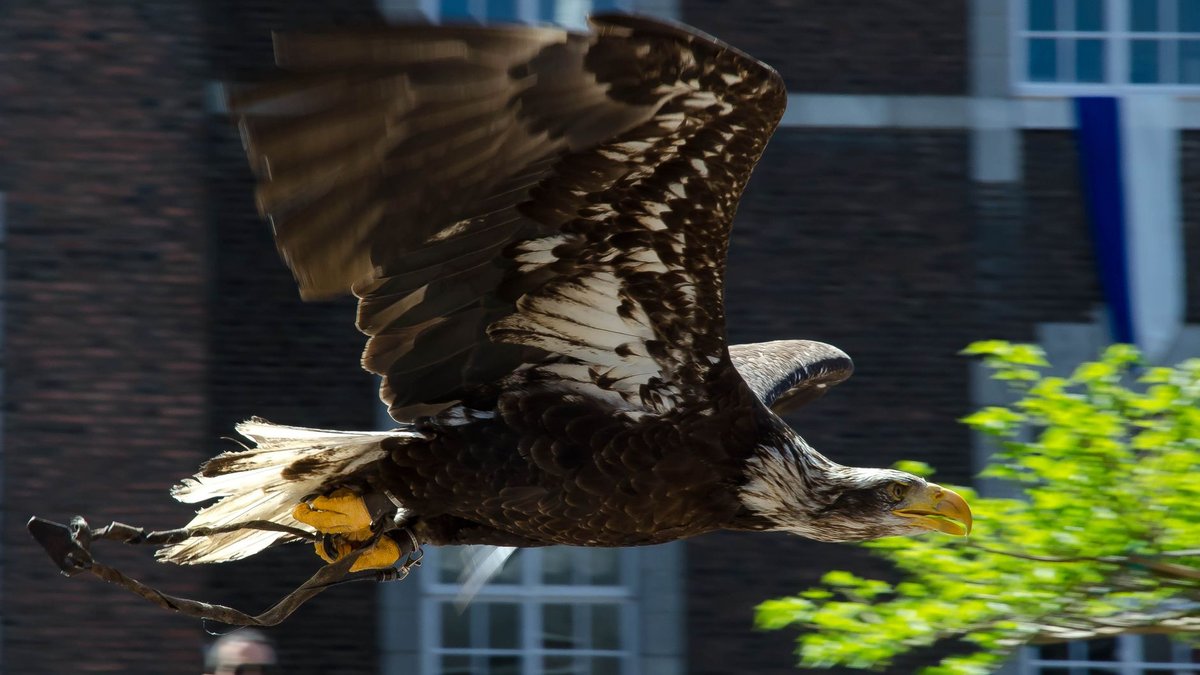
A bald eagle's talons close with 500 pounds of pressure per square inch. That's roughly the force of a bear trap snapping shut. For context, a human hand grip maxes out around 60 pounds.
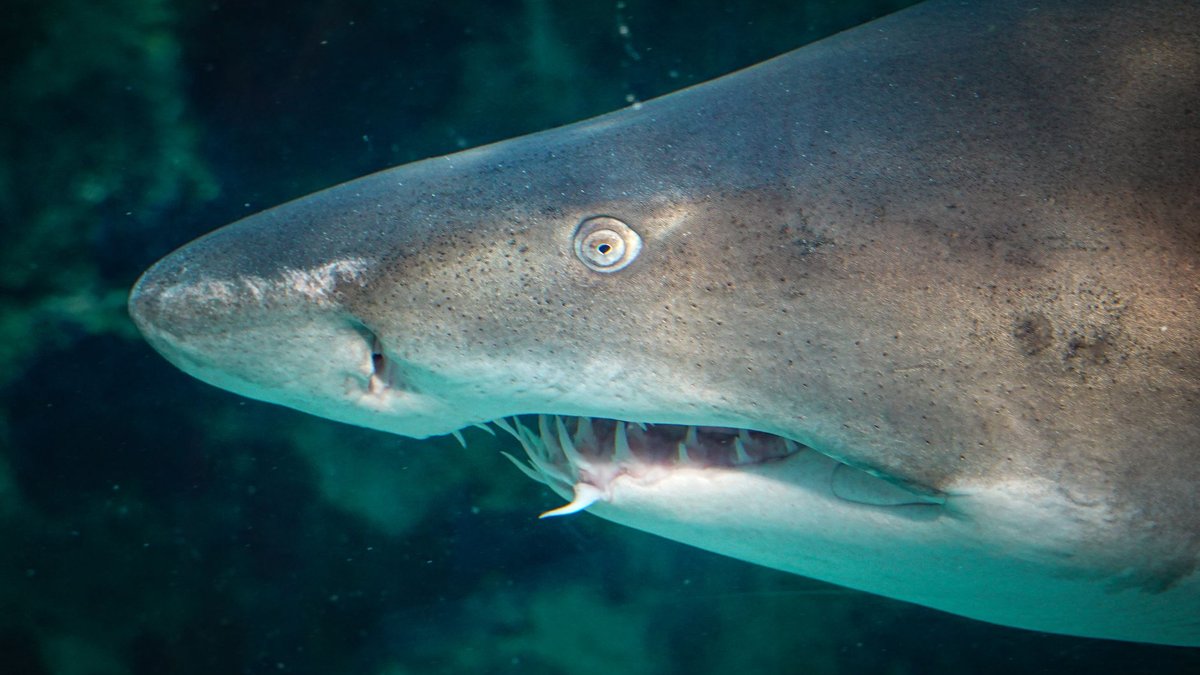
A great white shark cannot stop moving, ever. Not for rest, not for sleep, not even for a moment. The moment it stops, it dies. This isn't dramatic exaggeration.

The Evening Star's November 13, 1932 edition ran a snake story that made Washingtonians nervous.
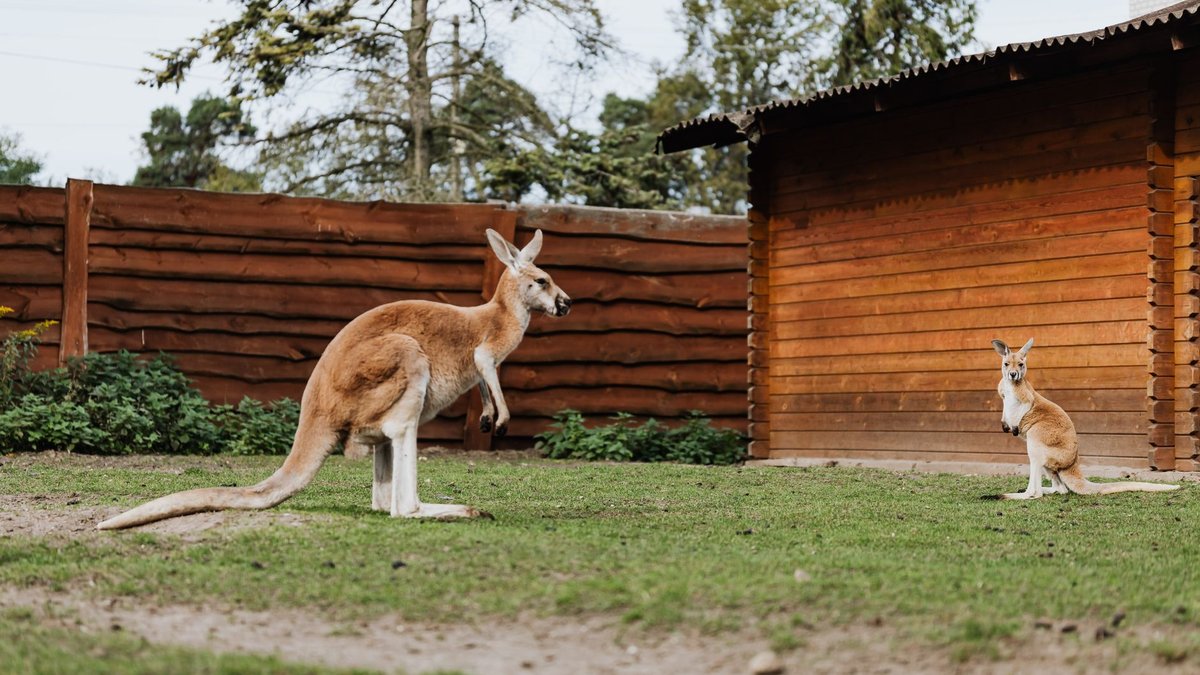
A red kangaroo's hind legs aren't just powerful — they're engineered like coiled springs that store energy the way a pogo stick does.
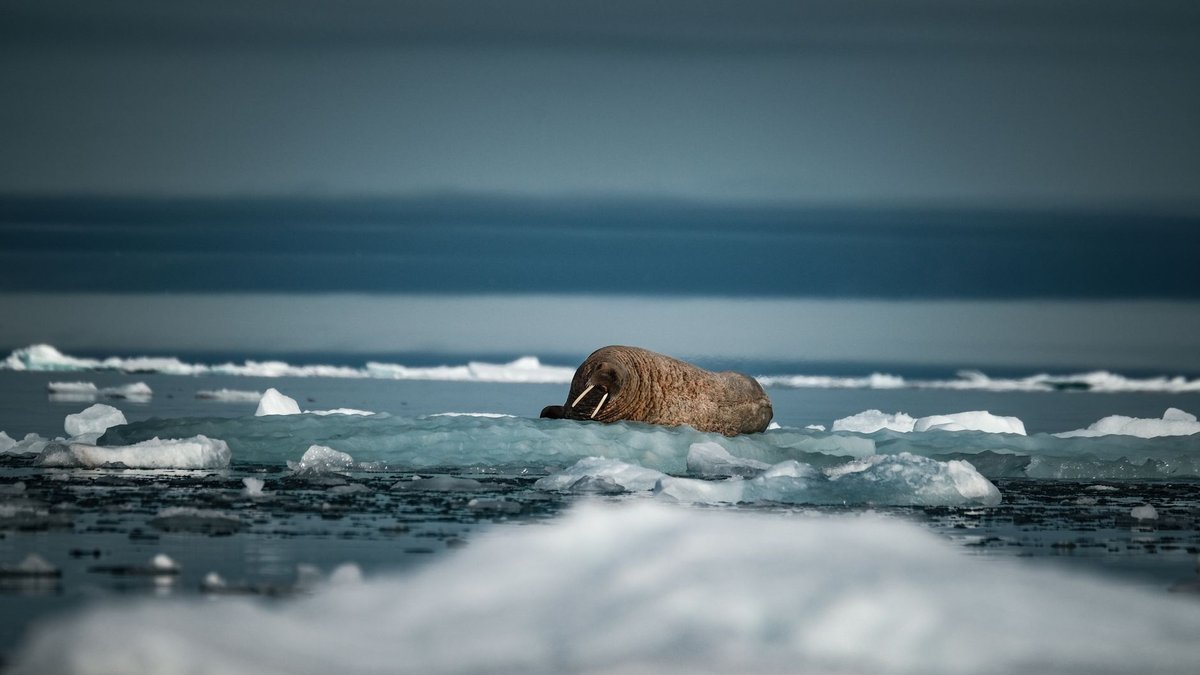
On September 8, 1904, The Brandon News in Brandon, Mississippi printed something that would make no sense today: news of a walrus. Not a story about walruses in general, or a traveling circus act.
A raccoon can feel the difference between two coins in complete darkness.
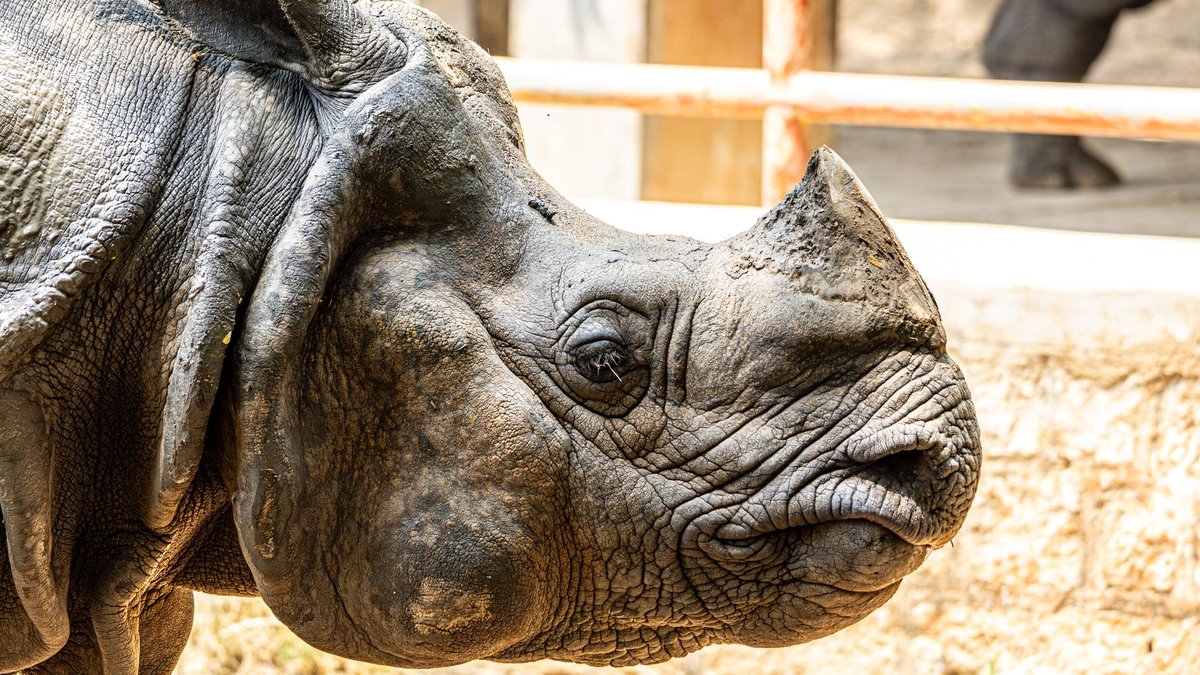
A rhino horn grows about six inches a year. That's faster than human hair, faster than a cat's claws, roughly as quick as your fingernails if you let them run wild.
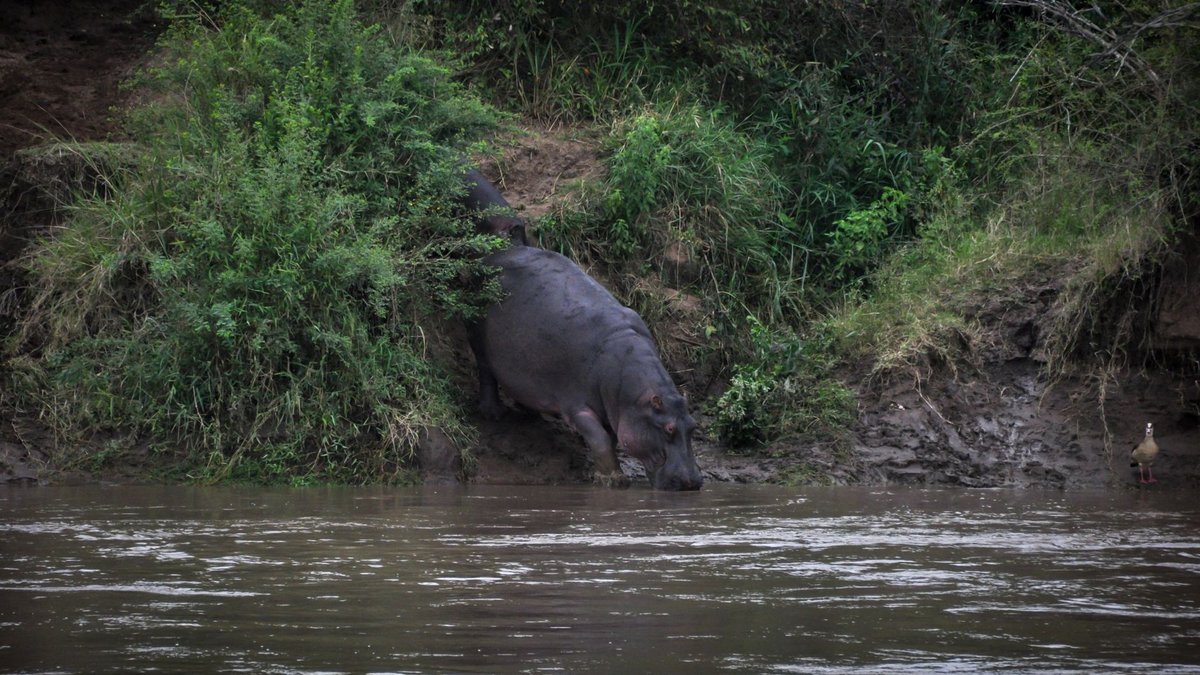
On July 7, 1909, a Montana newspaper called The River Press ran a story about a hippopotamus.
A wolverine caught in a steel trap will do something almost no other animal will: dislocate its own limb at the shoulder or hip socket, then drag itself free. The joint pops back into place after.
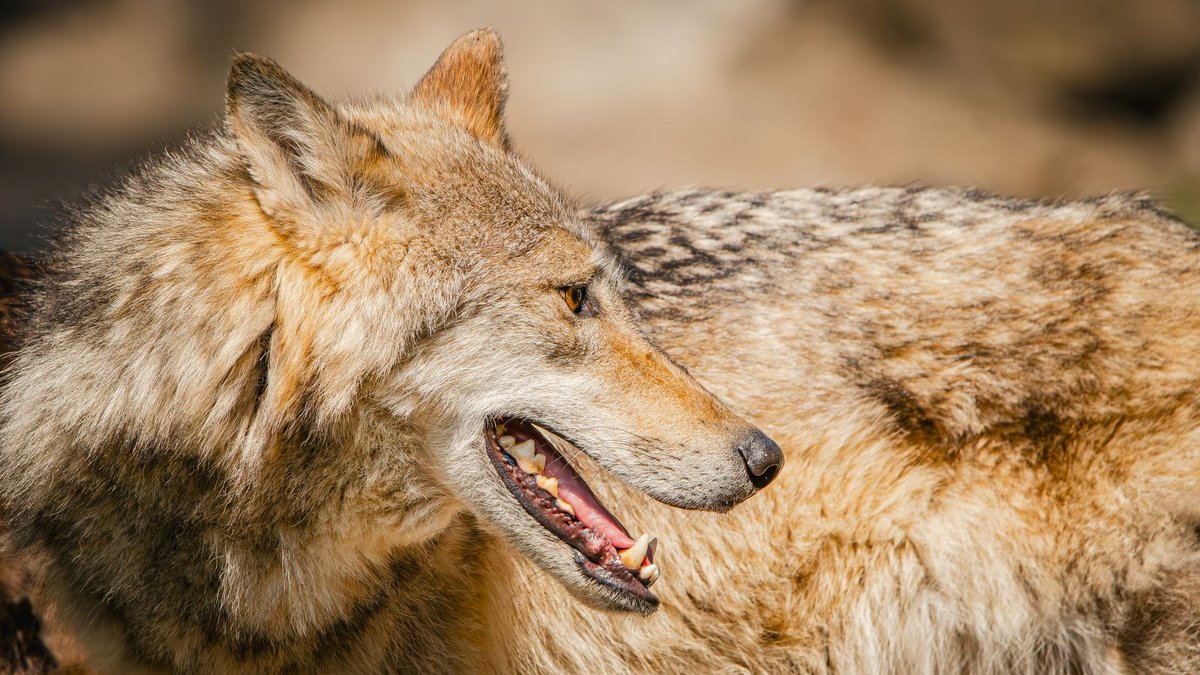
A wolf can bite down with 400 pounds of force per square inch. For context: a human manages about 120. That's not the whole trick, though. The real advantage isn't the raw pressure.