Nature & Animals
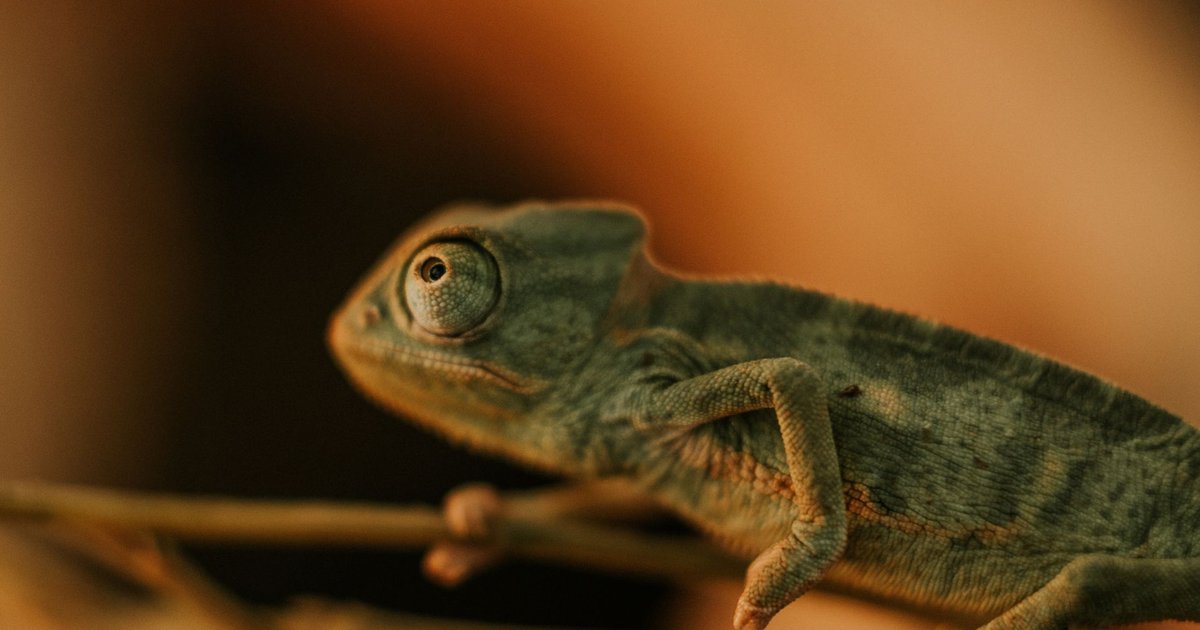
A Chameleon Showed Up in Wyoming in 1912. Nobody Knew What to Do.
July 11, 1912. The Saratoga Sun, a weekly paper in Carbon County, Wyoming—a town surrounded by high desert and railroad tracks, roughly as far from a chameleon's native habitat as you could get—reported that one had somehow arrived in town. No one said how. No one seemed certain what it was or what it ate or whether it might be dangerous.
This is the kind of story that doesn't age. A tropical animal, adapted to African or Asian forests, materializes in a place where the temperature drops below freezing half the year. A small-town newspaper covers it because it's genuinely weird, and readers have no way to verify anything except "it changed colors, so yes, it's a chameleon." There's no internet, no photos on demand, no herpetologist on speed dial.
What probably happened: the chameleon came in on a freight car or a passenger's steamer trunk, the kind of exotic-pet accident that wasn't uncommon when the railroad was the only connection to the world. It survived somehow—long enough to be noticed, long enough for someone to report it, long enough for the Sun to print it.
Wyoming in 1912 had maybe 145,000 people in the entire state. Saratoga itself was a railroad stop with a few hundred residents. A chameleon was not part of their visual vocabulary. The paper didn't report what happened to it next. Whether someone caught it, whether it died that winter, whether it escaped into the sagebrush and never made it past the first cold snap—the record ends where the article ends.
It's a small thing, really. One sentence about an impossible animal in an impossible place. But it's the kind of small, bewildering moment that made newspapers worth reading—proof that weird things happen in the middle of nowhere, and the best you can do is report them and move on to the next edition.
More from Nature & Animals