Nature & Animals
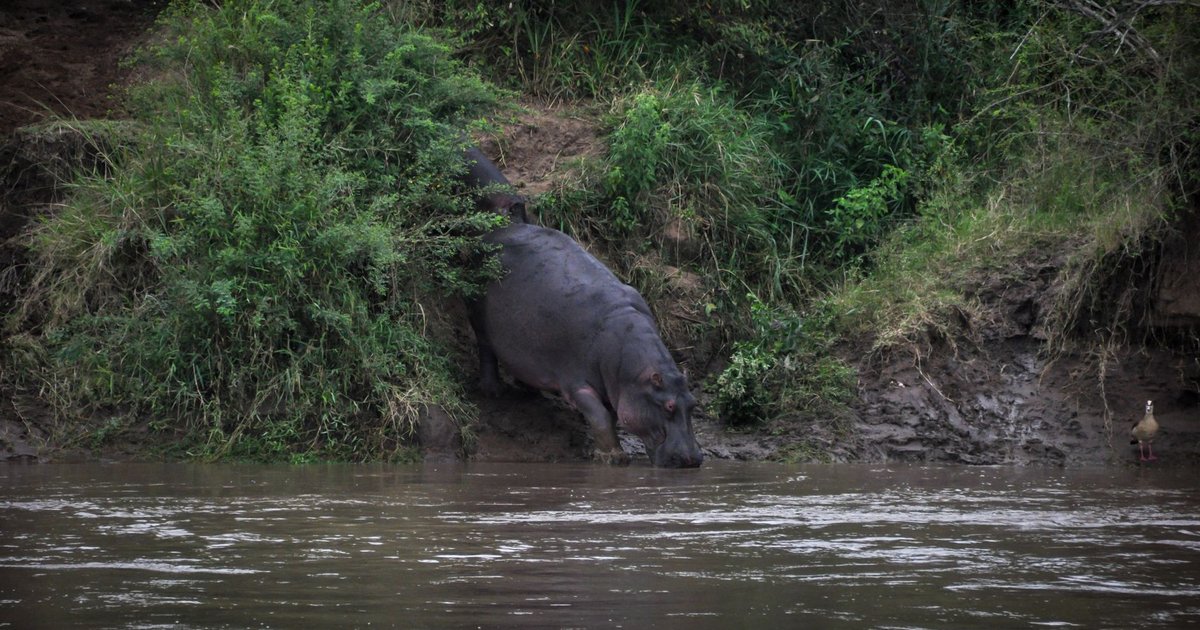
When Montana Newspapers Got Excited About a Hippo
On July 7, 1909, a Montana newspaper called The River Press ran a story about a hippopotamus. We don't know exactly what the story said—the page survives in the Library of Congress archive, but the text itself is fragmentary—but the fact that Fort Benton's press thought a hippo was newsworthy tells you something about what frontier Montana found remarkable.
Hippopotamuses don't live in Montana. They live in Africa. So why would a newspaper 120 miles north of Helena care? The answer is almost certainly a traveling circus, a zoo shipment en route somewhere, or a wealthy collector's recent acquisition. Whatever the reason, the hippo—an animal most Fort Benton readers would never see in the flesh—warranted ink and space.
It's easy to laugh at 1909 newspaper editors for their priorities. But compare their curiosity to ours. Today, we see hippos constantly: documentaries, YouTube videos, a photo on demand. The friction of novelty is gone. A real animal, an actual hippopotamus, would have to do something extraordinary to make the news in 2025—kill someone, escape a zoo, arrive where it shouldn't be. Otherwise, there's footage of the same animal doing the same things, shot in higher definition, available instantly.
The River Press ran that hippo story because seeing a hippo—or reading about seeing one—was still strange enough to stop a reader mid-page. Distance and rarity made it news. We've gained the ability to witness nearly anything, anywhere, anytime. What we've lost is the sense that witnessing matters. A Montana newspaper editor from 1909 would be baffled by how much we see and how little it moves us.
More from Nature & Animals