Nature & Animals
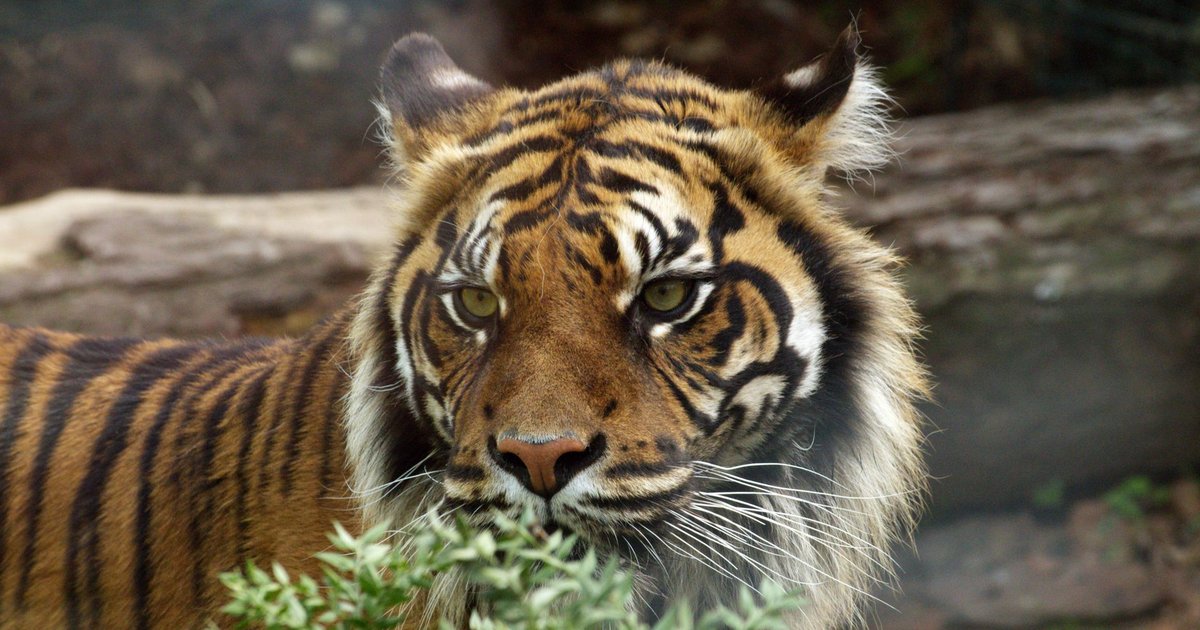
A Tiger's Bite Crushes With the Force of a Car
A tiger's bite delivers roughly 1,050 pounds of pressure per square inch. To picture that: a human bite manages around 150 PSI. A crocodile, often called nature's bite-force champion, tops out around 3,700 PSI—but it has to, because crocodiles wrestle prey in water where leverage is lost. A tiger, stalking on land, just needs to crush the spine of a deer or sambar in seconds.
That bite force shapes everything about how a tiger hunts. The canine teeth alone can be two inches long—longer than a grizzly bear's. When a tiger clamps down on the neck or spine of prey, bone doesn't resist; it shatters. No prolonged struggle. No time for the prey to thrash or escape.
But the bite isn't the only weapon. A tiger's front paws can swat with a force estimated around 10,000 pounds—enough to break a moose's leg or cave in a bear's skull. One swipe. That's the real killing stroke in many hunts; the bite is just the finishing move.
Size matters here. A male tiger can weigh 400 pounds, sometimes more. All that mass concentrates behind claws and teeth evolved to take down animals sometimes as heavy as itself. A water buffalo, a wild boar, a sambar deer—a tiger's bite and claws can subdue prey that outweighs it.
What's striking isn't just the raw number. It's that a tiger's entire body is engineered for that one moment—the stalk, the explosive charge, the clamp. The bite force isn't an accident of evolution. It's the whole design, compressed into one metric. One pressure reading that explains why a tiger, solitary and rarely hunting with help, can survive in a landscape full of heavy prey.
Nearly undefeated by anything it hunts.
More from Nature & Animals