Nature & Animals
Why Meerkats Stand Guard Like Tiny Sentries
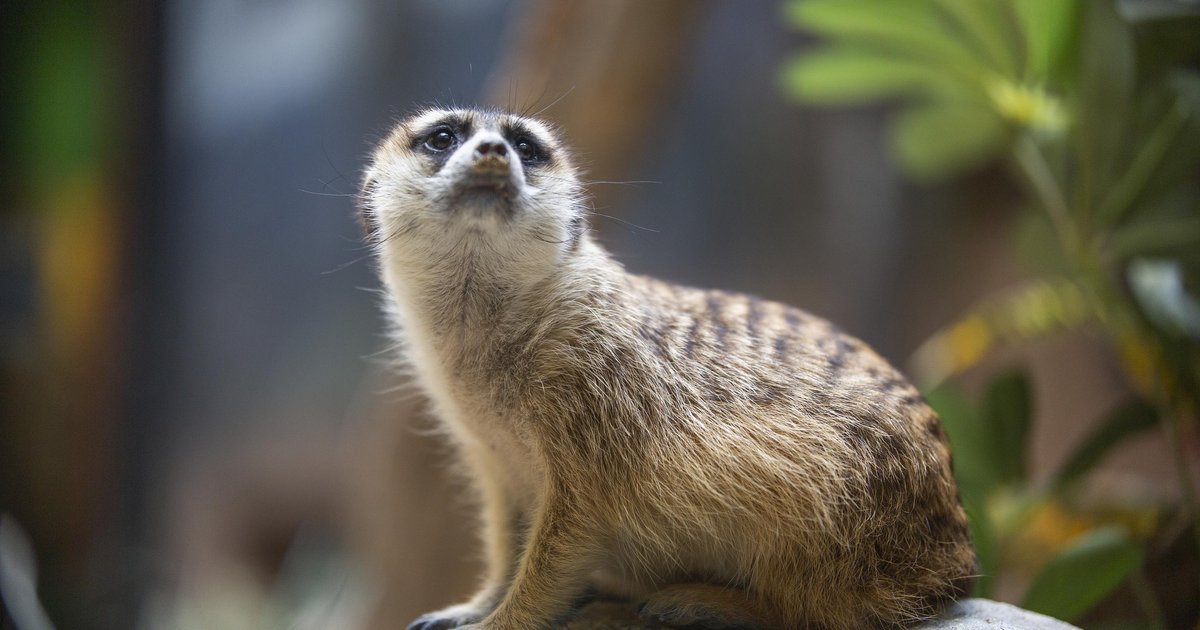
A meerkat stands on its hind legs, motionless, scanning the sky. That posture—back straight, front paws tucked, eyes forward—is the animal's entire survival strategy compressed into a stance.
The Smithsonian's 2018 specimen catalog entry for meerkat documents what field observers have watched for decades: these small carnivores from southern Africa have divided labor with almost military precision. While some dig burrows or hunt, others climb to high points and watch. A meerkat on sentry duty can spot a martial eagle from nearly half a mile away—a threat that can snatch a youngster in seconds.
What makes this system work is that meerkats don't rotate randomly. The lookout is usually the oldest female, the one most likely to survive and breed. She gets the safest job. Her reward for standing still for hours, scanning for predators, is food brought back by foragers. It's an exchange so ingrained that a meerkat without a group to feed will often stand watch anyway, scanning an empty horizon. The behavior runs deeper than economics.
This division of labor surprised early researchers because meerkats are so small—rarely heavier than two pounds—that they seem individually insignificant. But a mob of them, coordinated, becomes formidable. The sentries call out specific predator warnings: different alarm sounds for birds, snakes, and ground threats. Other meerkats respond not with panic but with practiced moves—some scatter, some mob the threat, some grab pups and flee. They've each heard the signal before.
What the specimen records matter less than what meerkats do with their bodies: they've solved a problem that stumped bigger animals. They've made cooperation profitable. They've made vigilance a gift, not a burden. Stand still long enough, watching, and you become the group's heartbeat.
More from Nature & Animals