Nature & Animals
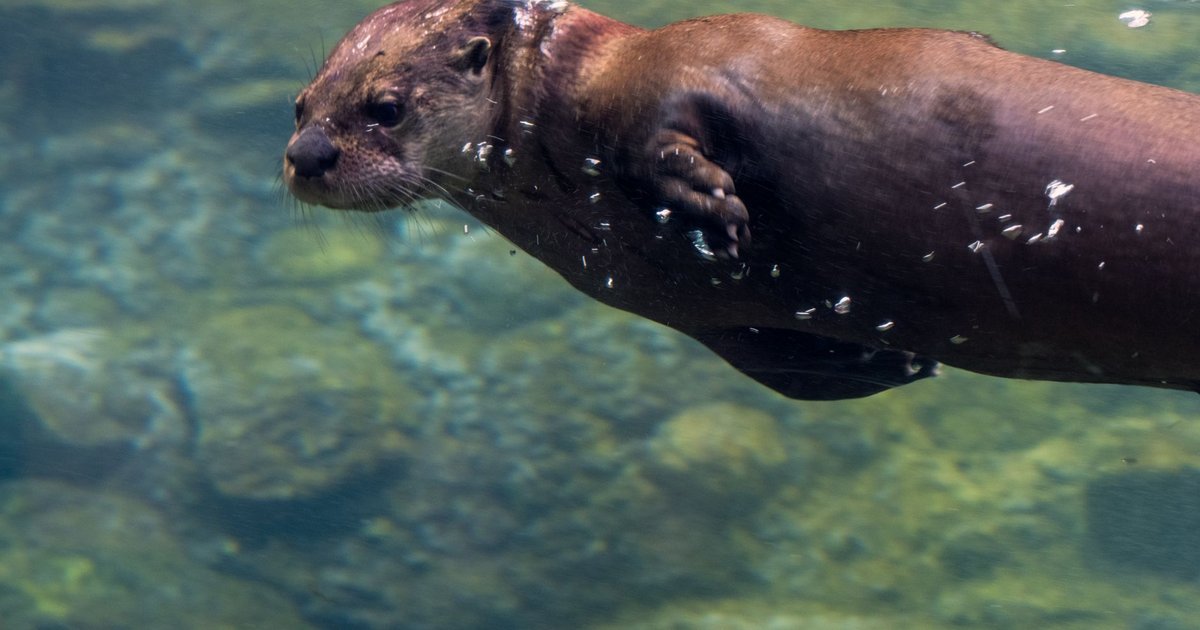
Sea Otters Hold Their Breath Longer Than You'd Think
A sea otter can vanish underwater for five minutes straight. Not continuously—they surface, rest a few seconds, then drop again—but that single dive, on one breath, is remarkable for an animal that weighs maybe 50 pounds.
Here's what makes that possible: sea otters pack oxygen into their blood at almost twice the concentration of a human's. Their spleen is enormous relative to body size, crammed with red blood cells that release oxygen slowly as they dive. They also shift blood away from their limbs toward their brain and heart, rationing what little oxygen they carry. Metabolism slows. Heart rate drops from 250 beats a minute at the surface to 70 below. Every system downshifts.
They need this. A sea otter eats about 25 percent of its body weight daily—roughly 12 pounds of sea urchins, clams, and crabs for a typical adult. Those invertebrates live on the seafloor, sometimes in water 250 feet deep. No dive capacity, no dinner. No dinner, no insulation. Sea otters have no blubber layer like seals do; they survive in cold Pacific water entirely through metabolism and their ridiculously dense fur, which traps warm air next to the skin. That metabolism burns ruthlessly, which means they must eat constantly, which means they must dive constantly.
Five minutes sounds long until you're holding your breath and counting. At two minutes you want air badly. At three you start to panic. A sea otter stays calm, works methodically along the seafloor, fills a pouch of loose skin with a dozen sea urchins, and paddles back up without rushing.
That's not superhero physiology. It's the bare minimum required to not starve in a freezing ocean.
More from Nature & Animals