Nature & Animals
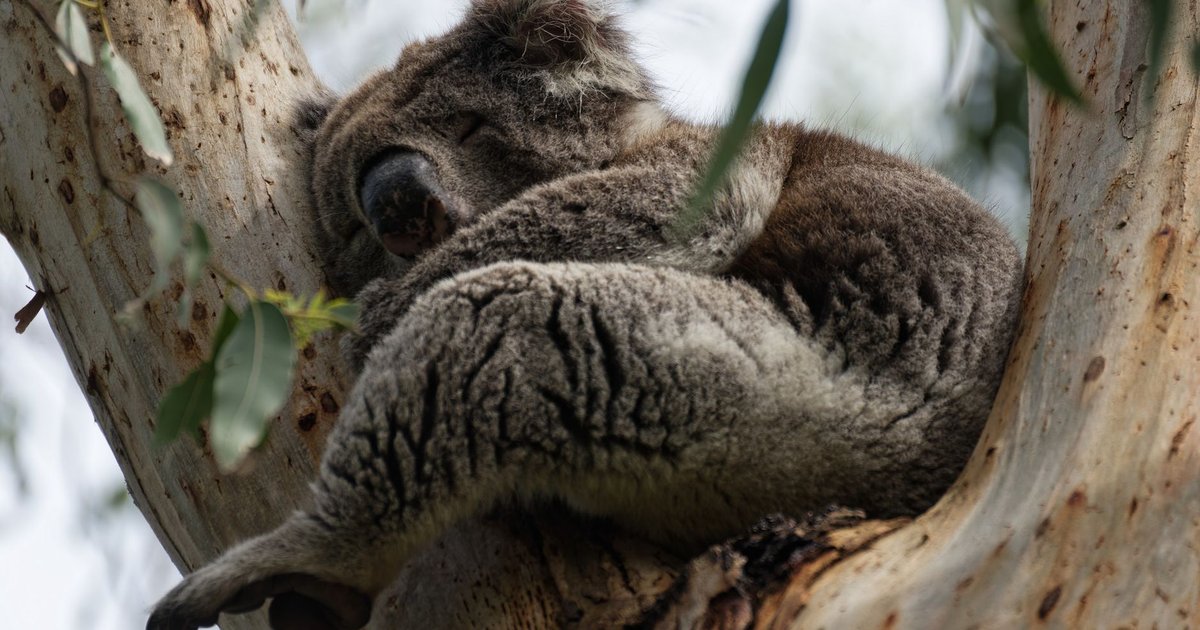
Why Koalas Sleep More Than Almost Any Animal
A koala sleeps through most of its life. Twenty to twenty-two hours a day—that's not exaggeration or metaphor, but the literal rhythm of an animal whose body has essentially given up on wakefulness.
This isn't laziness. It's mathematics. Eucalyptus leaves, the koala's only real food, are toxic to most animals and nearly useless as fuel even after a koala's specialized stomach breaks them down. A handful of leaves contains so little actual nutrition that staying conscious would burn more calories than the leaves provide. Sleep is the answer: switch off almost everything, move almost never, digest in a kind of metabolic hibernation.
Only a handful of animals come close. Sloths drowse 15-20 hours daily, their metabolism deliberately stunted to match their three-toed, low-energy existence. Brown bats rest 19-20 hours in caves. But the koala's 20-22-hour sleep bracket remains among the deepest, longest surrenders to unconsciousness in the mammal world.
There's a cost. Those 2-4 waking hours demand everything. A male koala uses them partly to bellow—a sound so loud and alien it's terrified first-time listeners for two centuries—to advertise territory and breeding status. A female uses them to find fresh leaves and occasionally mate. Both are basically operating at minimum viable consciousness, their brains and bodies tuned to the absolute floor of biological activity that still counts as alive.
The koala doesn't think its way into this. Evolution simply selected for the animals that could make an impossible diet work by doing almost nothing else. In the eucalyptus forest, the animal that sleeps the longest wins. Everything about a koala—its brain size, its metabolism, its tolerance for toxins—bent itself toward one outcome: survival through almost perfect stillness.
More from Nature & Animals