Nature & Animals
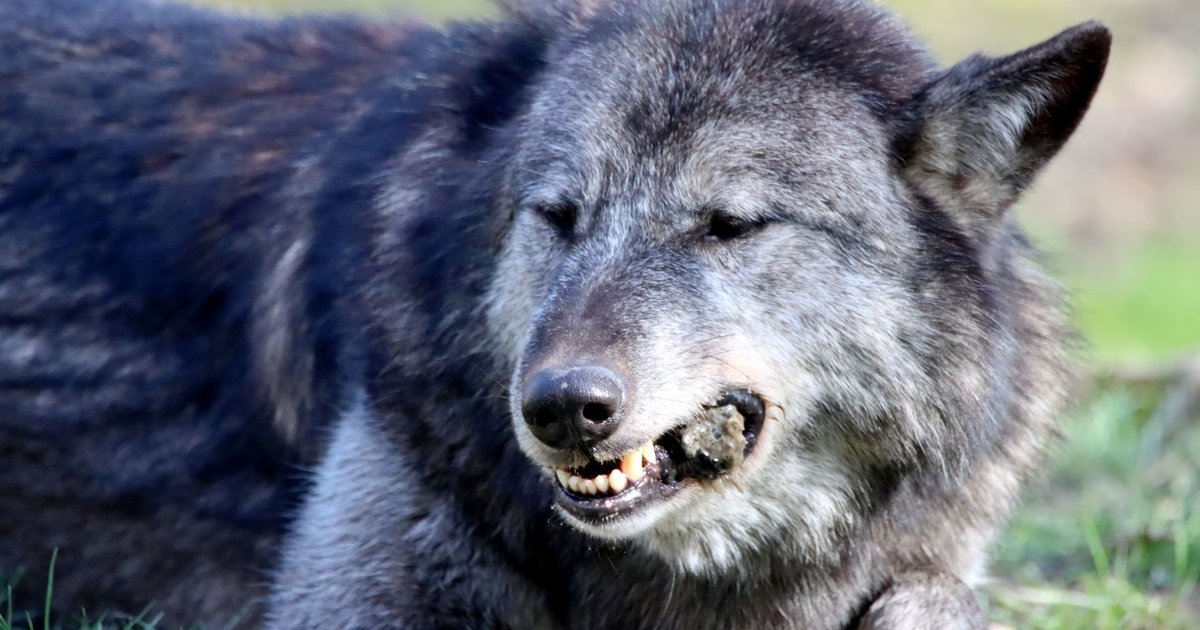
The Wolf's Bite Crushes Harder Than You'd Think
A gray wolf's bite delivers 400 pounds of force per square inch. That's roughly the pressure of a large grizzly bear clamping down, except the wolf is doing it with a jaw a fraction of the size.
The mechanics are almost fussy in their precision. A wolf's molars sit farther back in the skull than a human's, which gives the jaw muscles a longer lever arm — the same physics principle that makes a crowbar more efficient than your bare hands. The bite is also distributed across fewer teeth. Humans spread bite force across a wider surface; wolves concentrate theirs on carnassial teeth (the shearing molars) evolved specifically to crack bone.
That matters because wolves don't just hunt soft prey. A moose's femur — thicker than a baseball bat — is lunch. They swallow bone shards regularly without issue, their digestive systems evolved to handle it. The bite itself, though, is the tool. A single snap can snap a rib or puncture a skull. It's why a wolf pack's hunting strategy relies less on pursuit endurance than on precision damage in the first few seconds of contact.
Humans bite with around 150 PSI at best (a police dog averages 250). Crocodiles and saltwater crocs exceed the wolf's force — saltwater crocs hit 3,700 PSI — but those are outliers in reptilian extremism. Relative to the wolf's body size and hunting context, that 400 PSI is the sweet spot: efficient, devastating, and only as much power as the skeleton can safely generate.
It's one reason wolves were so feared in European folklore. A bite that could snap bone wasn't a rational danger — it was *the* image of predatory inevitability, and the folklore got the mechanics right.
More from Nature & Animals