Nature & Animals
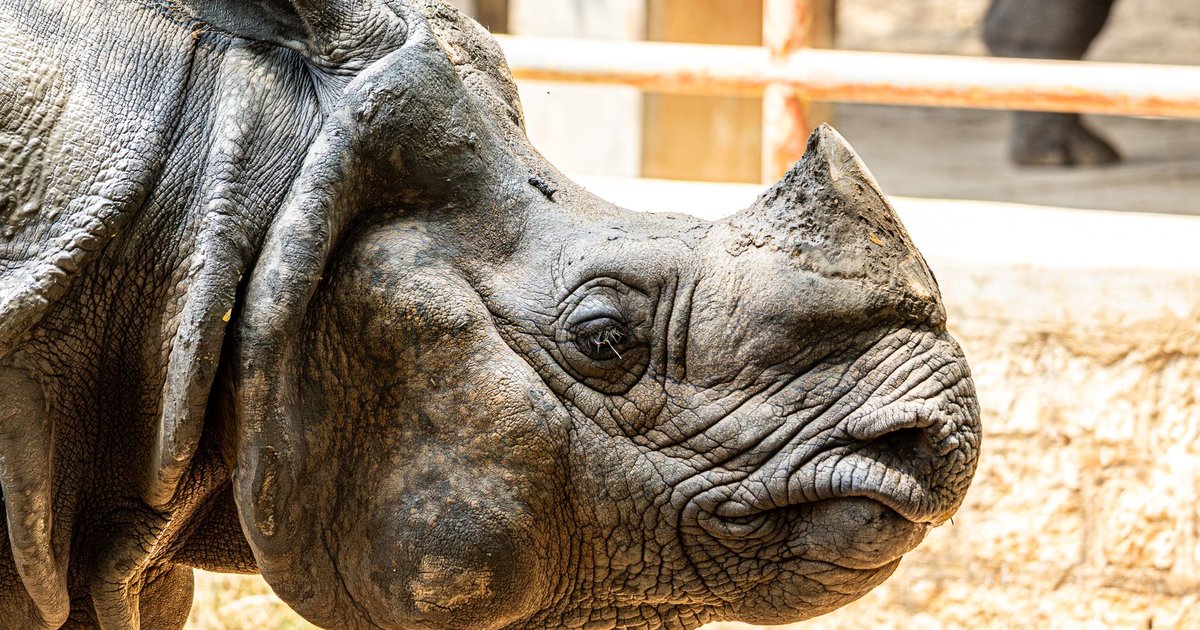
A Rhino's Horn Grows Faster Than Your Fingernails
A rhino horn grows about six inches a year. That's faster than human hair, faster than a cat's claws, roughly as quick as your fingernails if you let them run wild. For an animal carrying around a weapon made of keratin — the same protein in your skin — that speed is both an advantage and a curse.
The fastest-growing horns belong to black rhinos, which can develop horns exceeding four feet long over a lifetime of steady growth. They shed the outer layer constantly, like trees shedding bark. A rhino horn is not bone. It's a dense, compressed mass of hair-like fibers that fuse together, giving it a texture somewhere between wood and horn in the traditional sense — nothing like the hollow horn of a sheep or antelope.
That relentless growth matters because rhinos use their horns for everything except what most people assume. They don't gore each other in the way lions claw. Instead, a rhino uses its horn to move obstacles, defend its territory by pushing rivals, and occasionally — in a mother's case — position and protect her calf. The horn is a tool more than a weapon, though it can certainly wound.
The problem: that same horn made rhinos targets. A single horn sold for thousands of dollars, dried and ground into powder for traditional medicine with zero actual medicinal value. Poachers have killed over 7,000 rhinos in the last fifteen years. Some conservancies now remove horns before the animals are poached, letting the horns grow back. It's a brutal workaround for a creature whose fastest-growing body part became, for decades, the reason it nearly disappeared.
More from Nature & Animals