Indian Communities Earn Livelihoods From Forest More Than Just Timber...
Nature & Animals
How Strong Is a Crocodile Bite? Strong Enough to Crush a Car
A saltwater crocodile can bite down with 3,700 pounds of force per square inch. That's roughly the weight of a car pressing through the tip of a tooth.
For context: a great white shark, often cited as nature's most formidable biter, manages about 1,200 PSI. A grizzly bear, another animal famous for its jaw, tops out around 1,300 PSI. The crocodile's bite is not just stronger — it's nearly three times stronger than animals most people already think of as unstoppable.
What makes this even more brutal is how that force gets deployed. A crocodile doesn't just clamp and hold; it uses that jaw-crushing pressure in conjunction with a death roll — a full-body rotation that shreds prey apart. The bite initiates, then the entire reptile spins at speeds that wrench the victim's limbs clean off. The initial bite alone is already doing catastrophic damage to bone and tissue. Add the roll, and nothing survives intact.
Saltwater crocodiles evolved this particular superpower over millions of years hunting large animals in river systems and coastal waters across northern Australia, Southeast Asia, and parts of India. They're ambush predators that spend most of their time waiting, motionless, for prey to come to the water's edge. When the moment arrives — a wild boar drinking, a young water buffalo wading — they explode forward and that bite is the commit point. Everything after that, they've already won.
The bite force comes partly from sheer muscle mass in the jaw and neck, but also from the geometry of their skull. A crocodile's bite muscles are arranged to generate maximum pressure at the tip of the snout. The trade-off is that they're weaker at opening their jaws — you can hold a crocodile's mouth shut with your bare hands, which seems like useful information until you remember they spend most of their time with their mouth open, waiting.
More from Nature & Animals
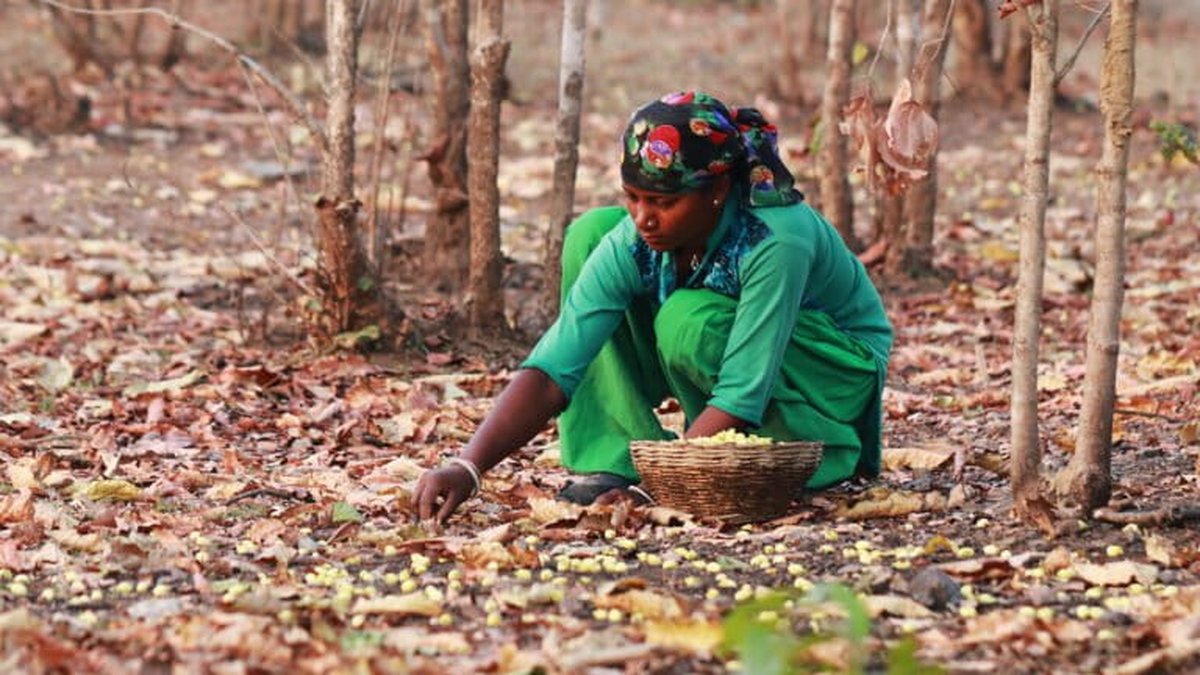
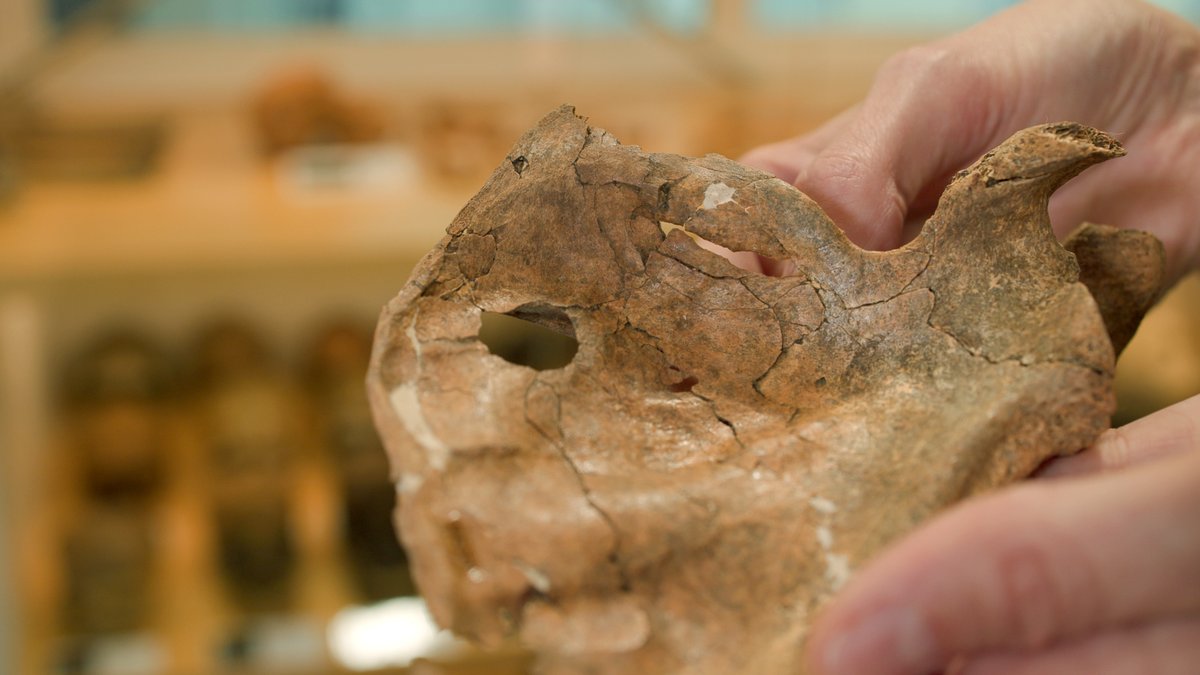
75,000-Year-Old Neanderthal Shoulder Blade Shows 'Kill Shot' From Spear...
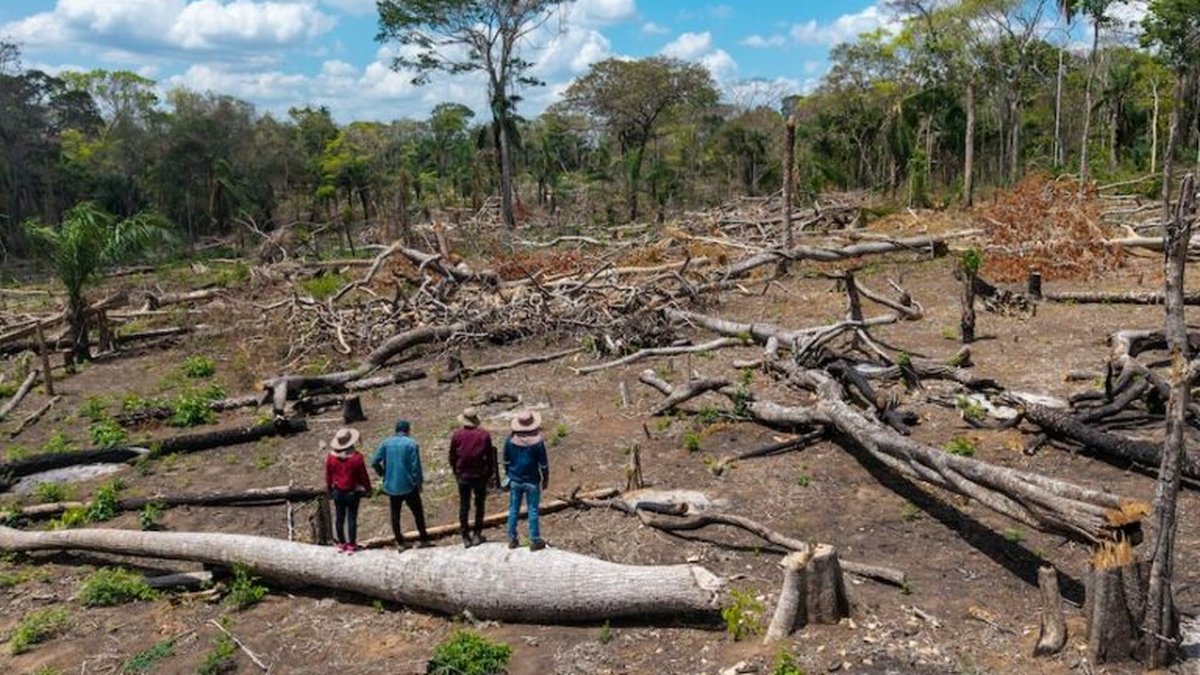
New Tool Exposes Indigenous Land Siege in Bolivia's Amazon...
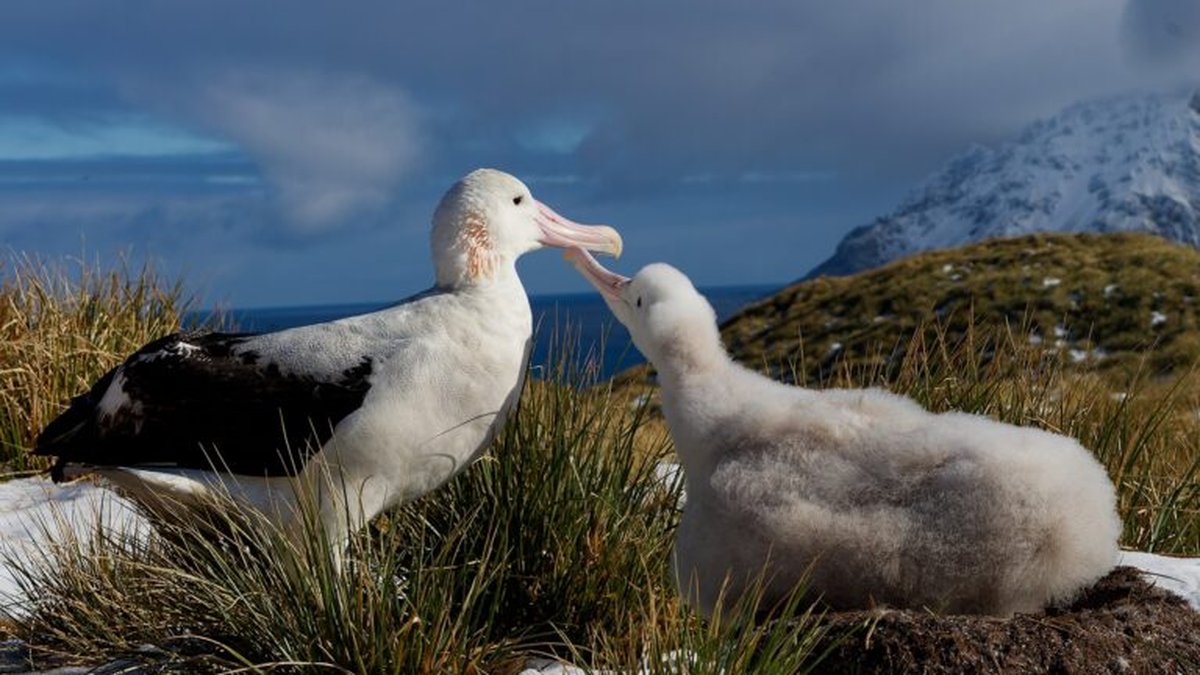
Seabird Protections Fail to Win Adoption at Tuna Conference...
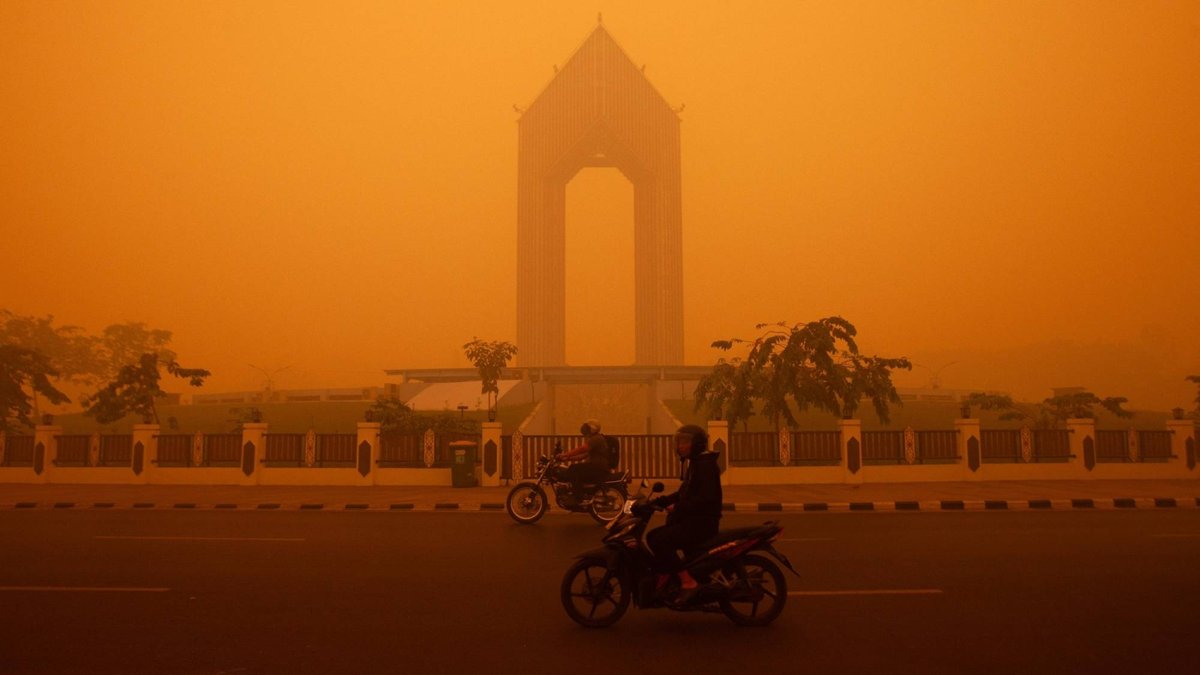
Indonesian Haze Turns Skies Orange, Closes Schools in East Timor...

Chronic Back Pain Activates Unexpected Brain Network, Study Finds...

DNA Reveals No Genetic Mixing Between Indigenous and French Colonial Settlers...
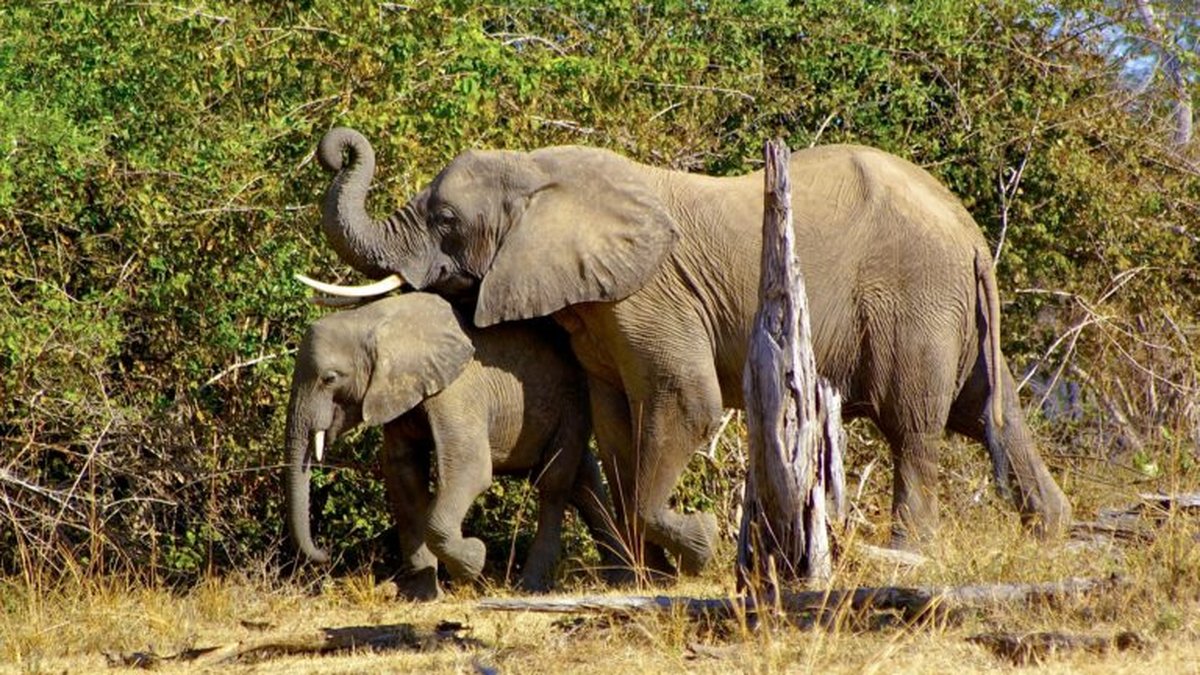
Thailand Seizes 400 Elephant Ivory Pieces From Zambia Shipment...
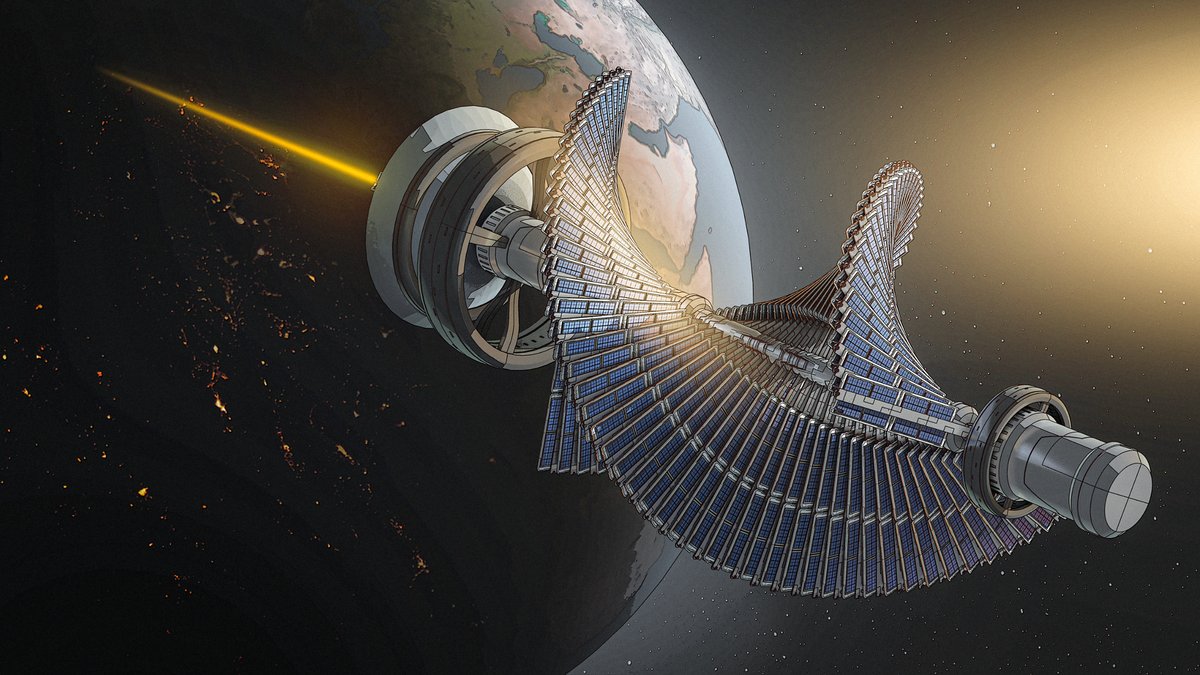
'We're not a competitor to fusion. We are fusion': Inside the race to harness unlimited solar power in space

Google’s quantum Willow chip may be able to grow ‘magic states’

Can AI break encryption? OpenAI’s new math has cryptographers divided
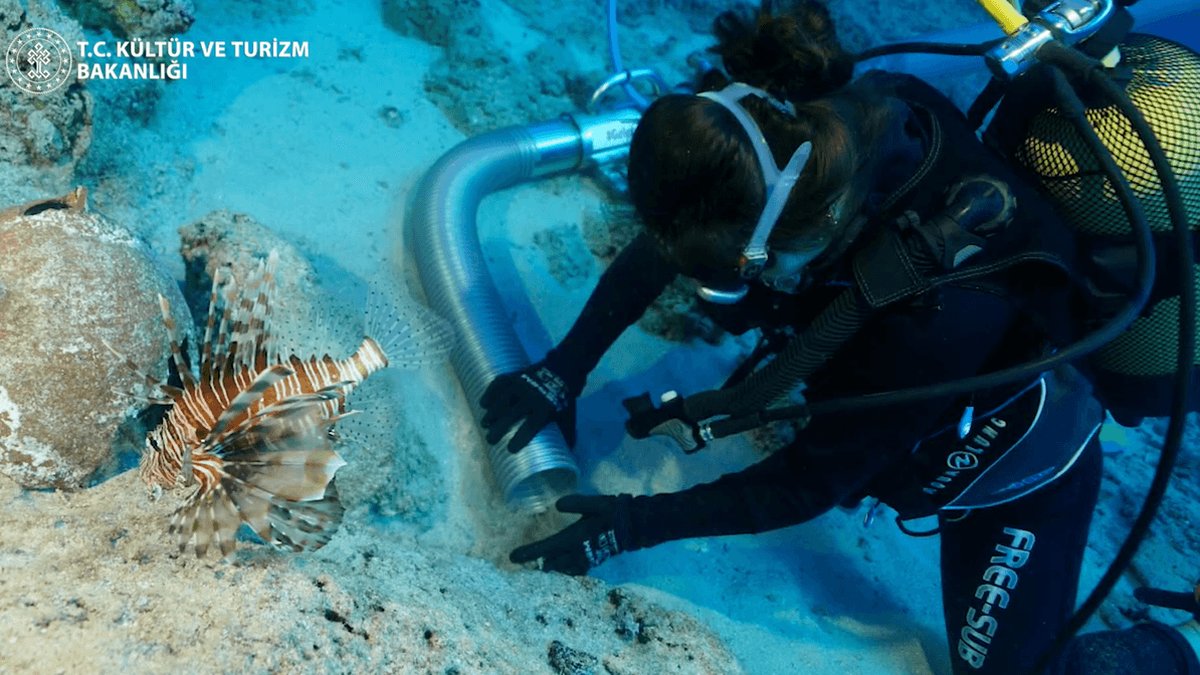
Scientists discover an ancient shipwreck dating to when the Great Pyramid was built