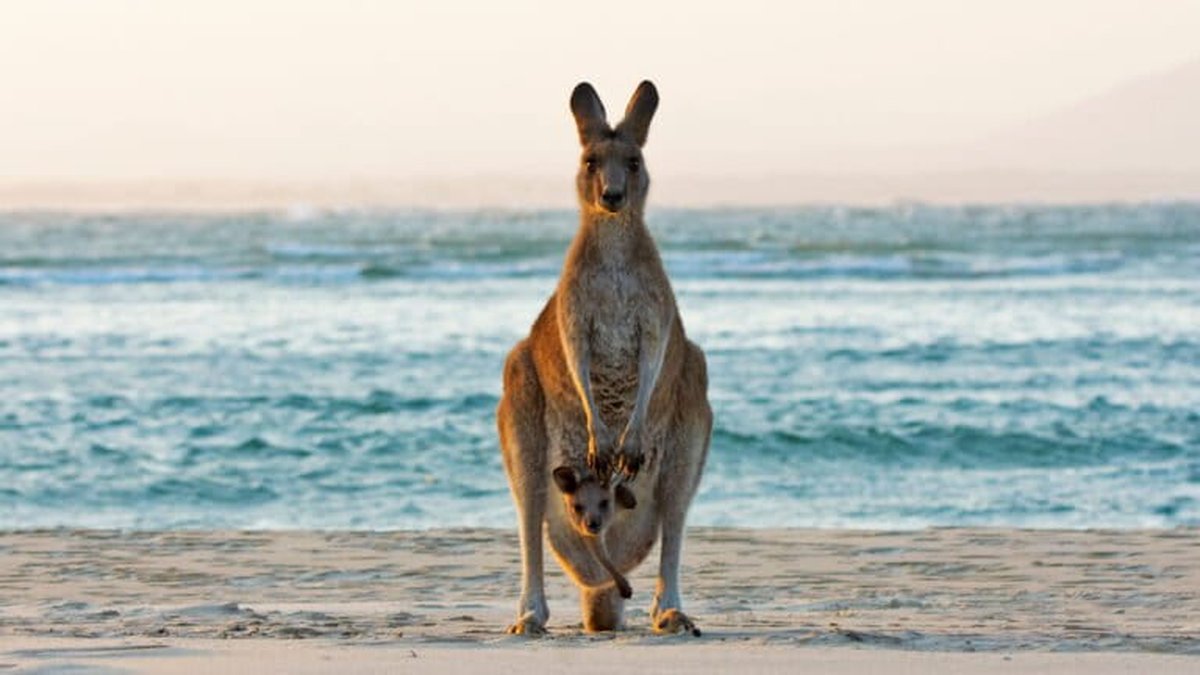
KANGAROO CRISIS: Record Cull as Australia's National Symbol Multiplies...
Nature & Animals
How Strong Is a Sea Otter? Strong Enough to Crack Anything
A sea otter's paw can squeeze with 400 pounds of force. That's roughly the bite pressure of a tiger, except it comes from an animal that weighs between 50 and 100 pounds and spends most of its time floating on its back cracking open dinner.
They need that grip strength to survive. Sea otters eat about 25 percent of their body weight every single day—a 75-pound otter needs to consume roughly 19 pounds of food. Most of that is shellfish: sea urchins, clams, mussels, crabs, abalone. The shells are thick. The otter's teeth alone can't break them. So evolution handed them those vice-grip paws instead.
Watch a sea otter work and you see the whole system in action. It dives to the ocean floor, fills a pouch of skin under one foreleg with loose rocks, then surfaces. It floats on its back, places a rock on its chest, grabs a clam in its paws, and hammers the shell against the rock—sometimes 60 times per dive—until it cracks. The grip strength keeps the prey from slipping. The hammer motion does the breaking.
That 400-pound squeeze is measured from a single paw. Both paws together can deliver even more force. Scientists have watched sea otters handle spiky sea urchins without flinching—creatures that would shred most animals' skin. The otter's grip crushes the urchin's spines flat enough to manipulate without injury.
It's not brute force for show. It's mathematics: a small, cold-blooded animal in cold water burning calories at an impossible rate, needing to crack through some of the ocean's hardest defenses to stay alive. The strength isn't negotiable. It's the difference between eating and starving. Every clam that cracks open is survival.
More from Nature & Animals
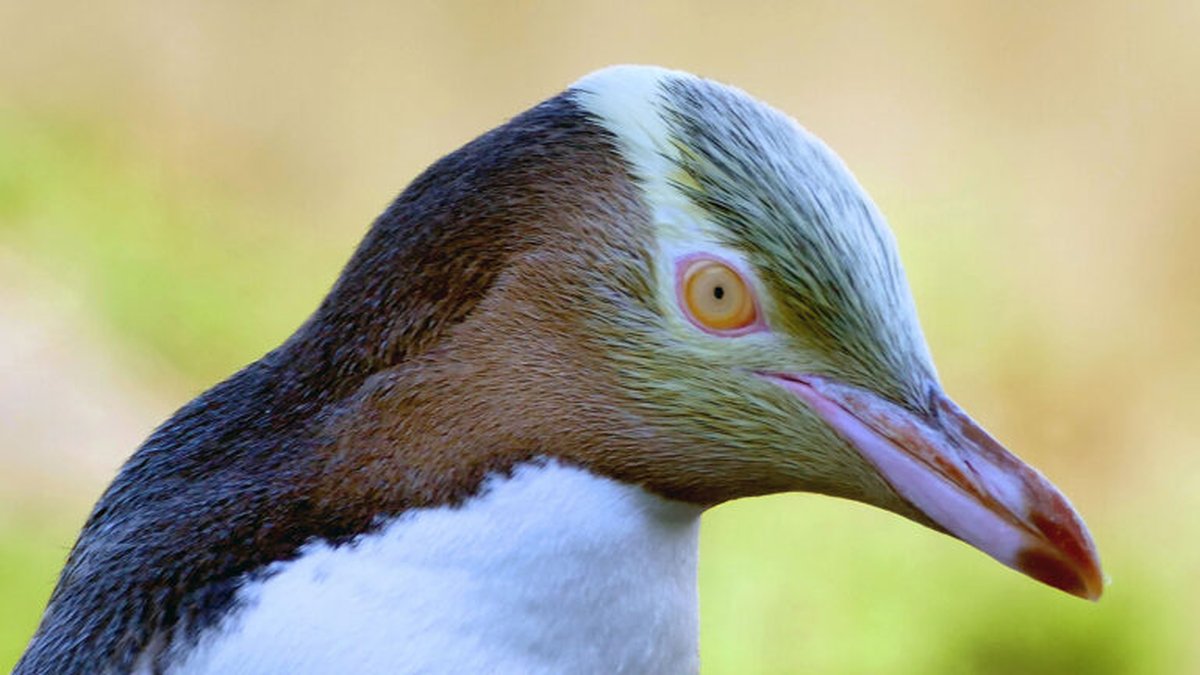
PENGUIN PERIL: Yellow-Eyed Birds Vanish, Fishing Nets Take Heavy Toll...
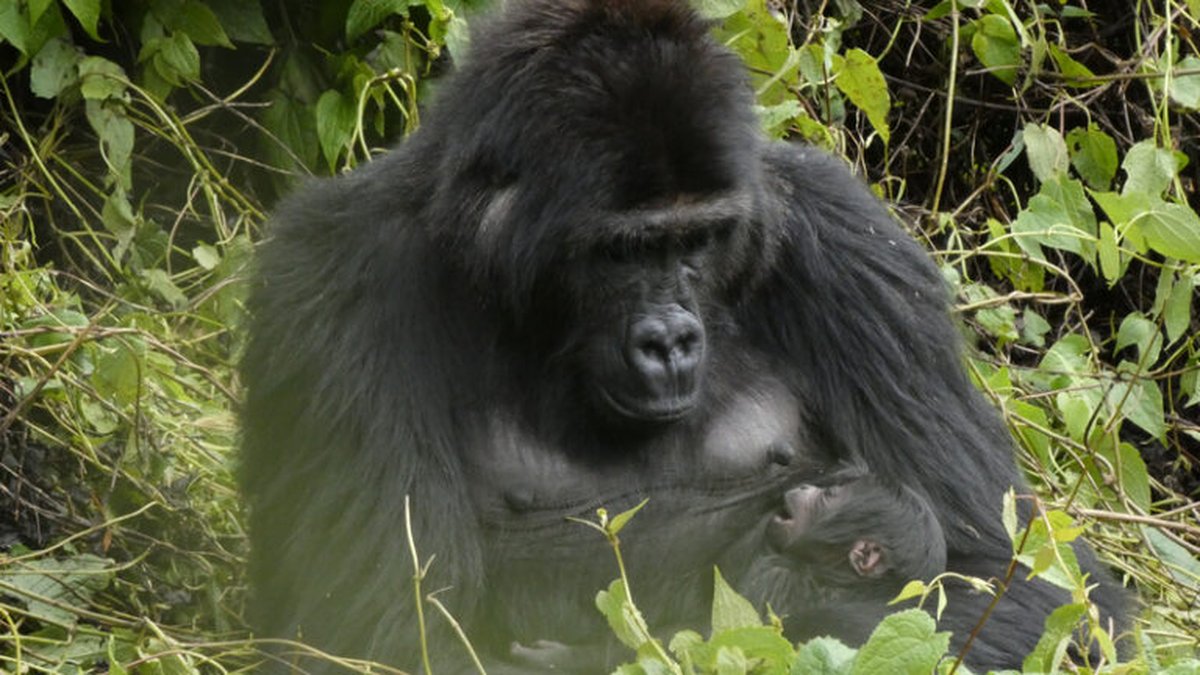
GORILLA HOPE: Reintroduced Grauer's Gives Birth in DRC National Park...

WEBB'S BIGGEST VIEW: Record-Breaking Stars Hidden in Cosmic Dust...
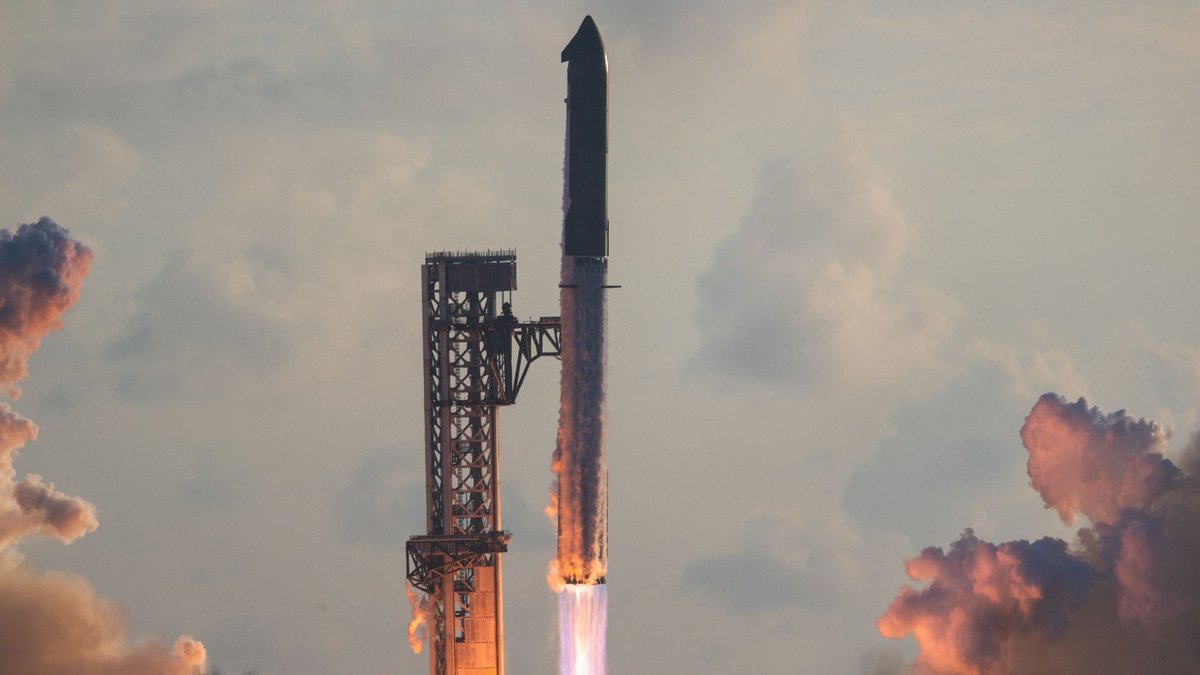
STARSHIP SOARS: SpaceX Reaches Orbit for First Time, Then Explodes...

'Listen, father!': 1,700-year-old tomb discovered in Egypt contains a poem in ancient Greek and spells to protect the dead

Trump Sharply Scales Back Fuel Economy Rules for New Cars

Did Anthropic’s A.I. Really Make a Scientific Discovery on Its Own?

How El Niño Is Shaping Storms on Two Sides of the U.S.

SpaceX’s Starship Makes It to Orbit for the First Time, but Returns to Earth Early
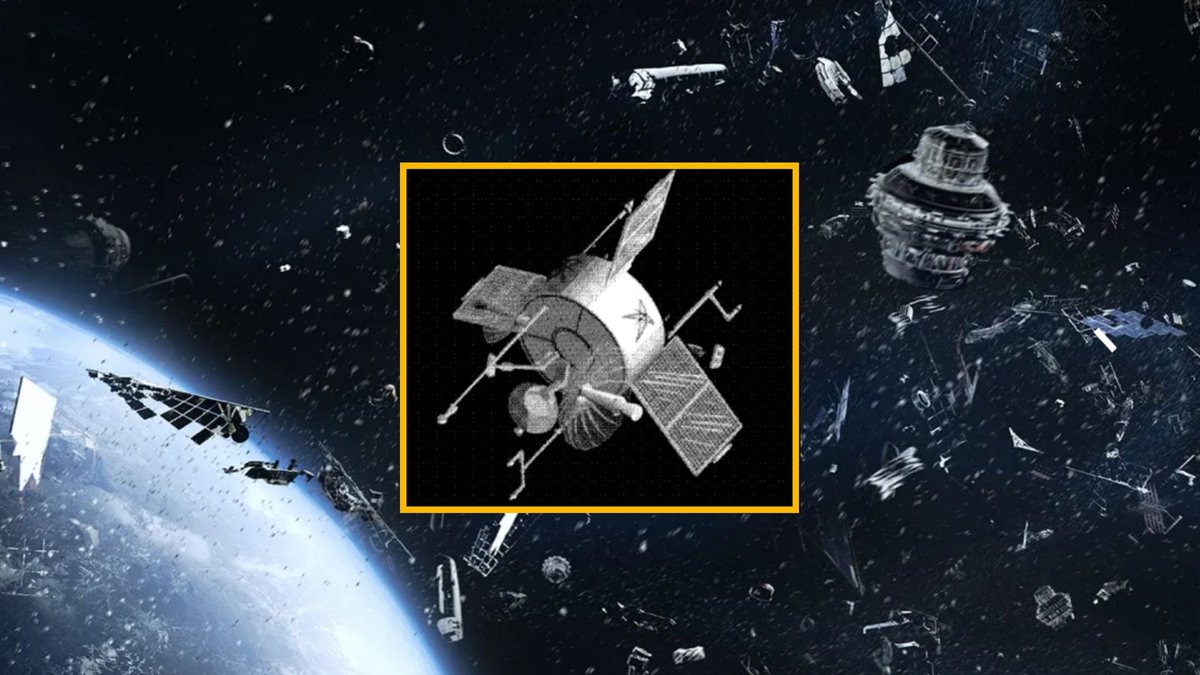
US Cold War-era spy satellite explodes above Earth — and nobody knows why