Nature & Animals
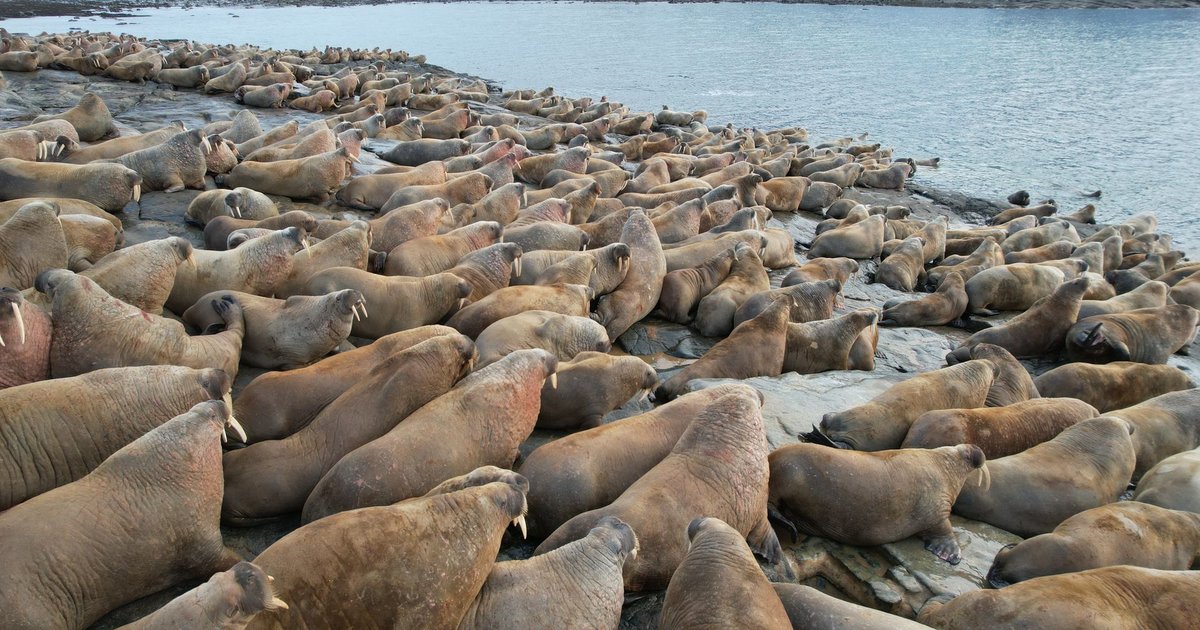
The Walrus's Tusks Can Haul Half a Ton
A walrus hauling itself onto pack ice looks like it's doing a one-armed pushup in slow motion. The tusks come down first—two ivory spears up to four feet long, sometimes weighing twenty pounds each. Then the animal leverages. One animal, roughly the weight of a small car, uses those tusks to pull its entire body from water that would kill an unprotected human in minutes.
Those tusks are the difference between survival and drowning in the Arctic. The walrus can't climb out of water the way a seal does—its body is too heavy, its flippers too short. Instead it anchors. The tusks, which are actually elongated canine teeth, embed into the ice or the seafloor and become fixed points. Then muscle does the rest. A walrus can haul over half a ton of itself—sometimes more—straight up from the ocean.
The tusks grow continuously throughout the animal's life, getting longer and more impressive with age. An old male walrus might have tusks that look less like teeth and more like a Viking's mythological description of the animal. They're scarred, broken at the tips from years of use, battered from competition with other males. Scars tell the story of a walrus that's survived decades in one of Earth's harshest environments.
They're not really weapons at all, despite their fearsome appearance—a common mistake. The tusks are tools, pure utility. A walrus uses them to haul out dozens of times a day, every single day of its life. Without them, the animal would lose the ability to rest on ice, to warm up, to escape the water's constant cold.
In a warming Arctic where sea ice is disappearing, those tusks mean less. There's less ice to haul out onto. The adaptation that kept walruses alive for thousands of years works only if the ice stays put.
More from Nature & Animals