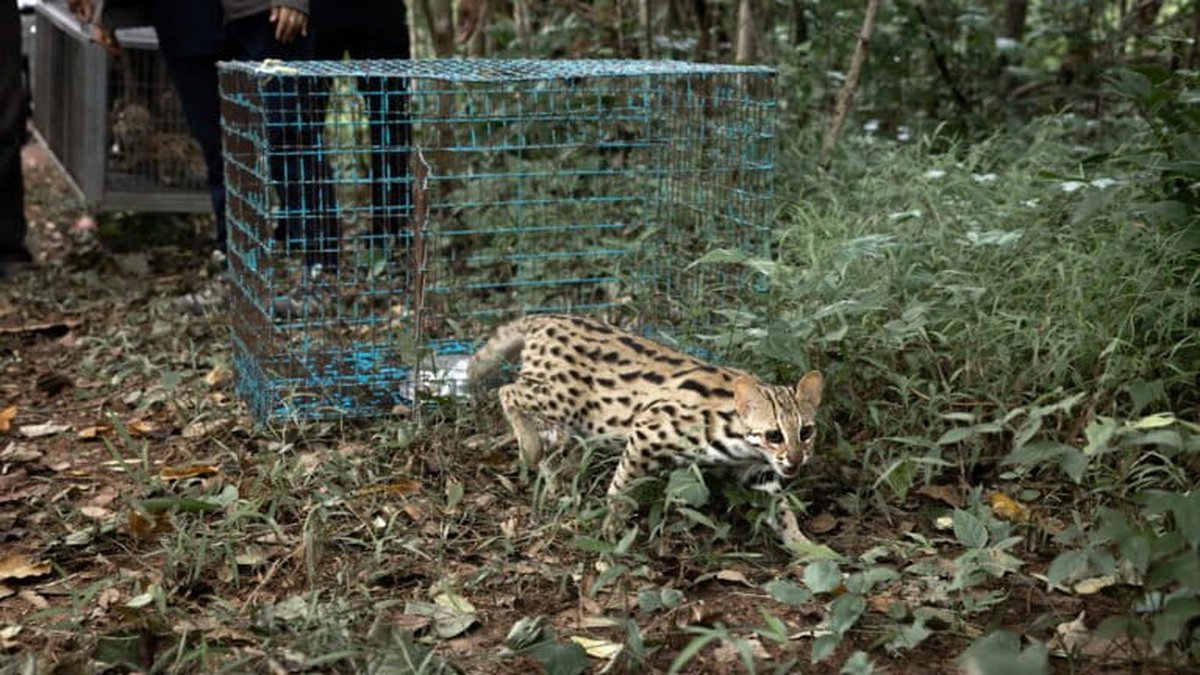
RESCUED: Thailand's Orphaned Leopard Cats Prepared for Life in Wild...
Nature & Animals
How Many Arms Does an Octopus Have? Nine Brains Worth of Control
Eight arms. That's the count — but the real trick is that each one thinks for itself.
Two-thirds of an octopus's neurons live not in its central brain but distributed along its eight arms, clustered at intervals like a string of tiny brains. This means an arm can taste, touch, and react to prey without waiting for permission from the main nervous system upstairs. A single arm wraps around a crab while another arm elsewhere peels open a shell, and they're not coordinating through some central command — they're just doing it.
Watch a video of an octopus in a lab and you'll see something that looks almost wrong: one arm reaches into a jar while the rest of the body stays completely still, as though that arm belongs to a different animal. Or it grabs something, realizes it's not food, and tosses it away — all that decision-making happening in the arm itself, not consulted upward to the head.
The central brain handles the big-picture stuff: hunting strategy, navigation, memory. The arms handle the tactical detail work. It's like having a general and eight sergeants each running their own platoon, except the sergeants are literally part of your body.
This is why octopuses are so absurdly good at problem-solving in tight spaces. An arm squeezing into a crevice doesn't need to report back every texture it finds — it can investigate, taste, and decide whether to keep going or pull out, all in real time. An octopus can multi-task in ways that animals with centralized nervous systems simply can't.
Some researchers have watched an octopus hold a preference for one food in its central brain while its arms reach for something else entirely. The animal is literally of two minds. Or nine, if you're counting right.
More from Nature & Animals
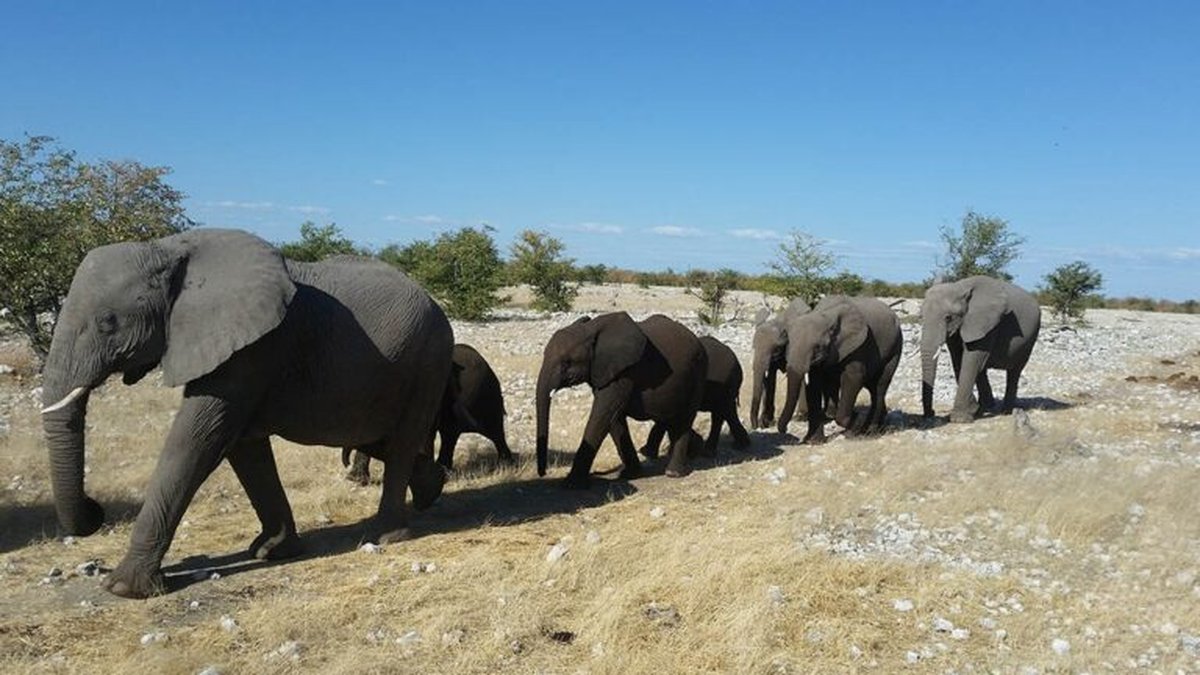
DECLINE: Africa's Wildlife Populations Plummeted 80% Since 1970...
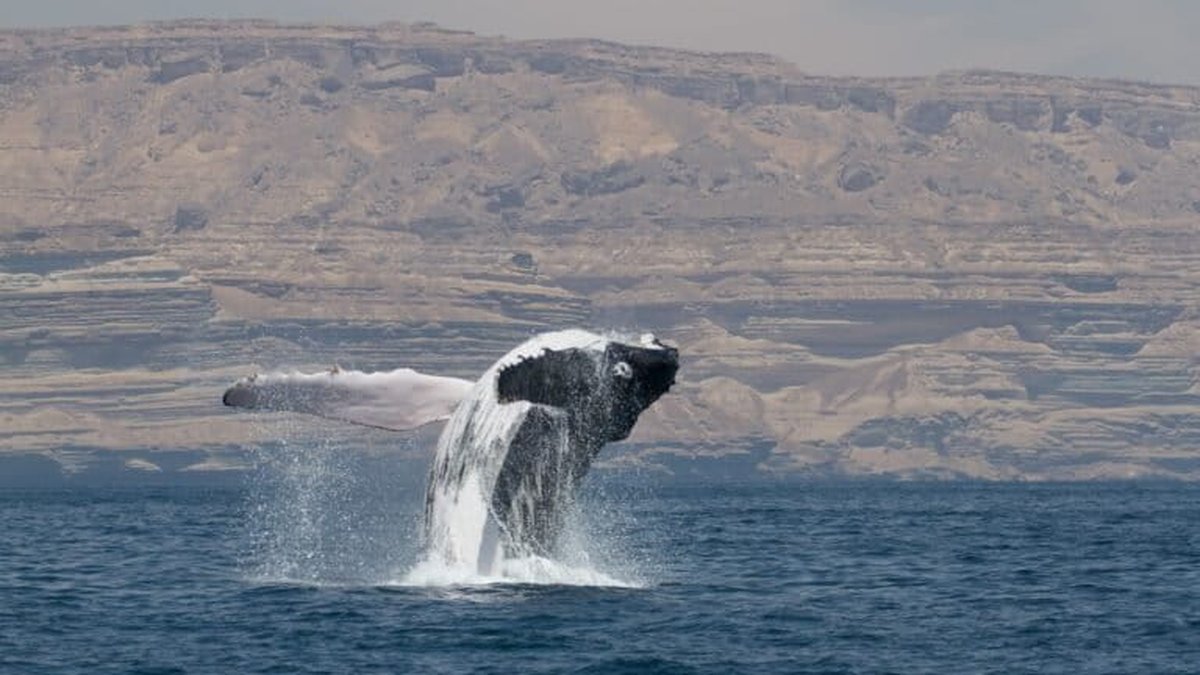
UNIQUE SUBSPECIES: Arabian Sea Humpbacks Shown to Be Distinct Whale Population...
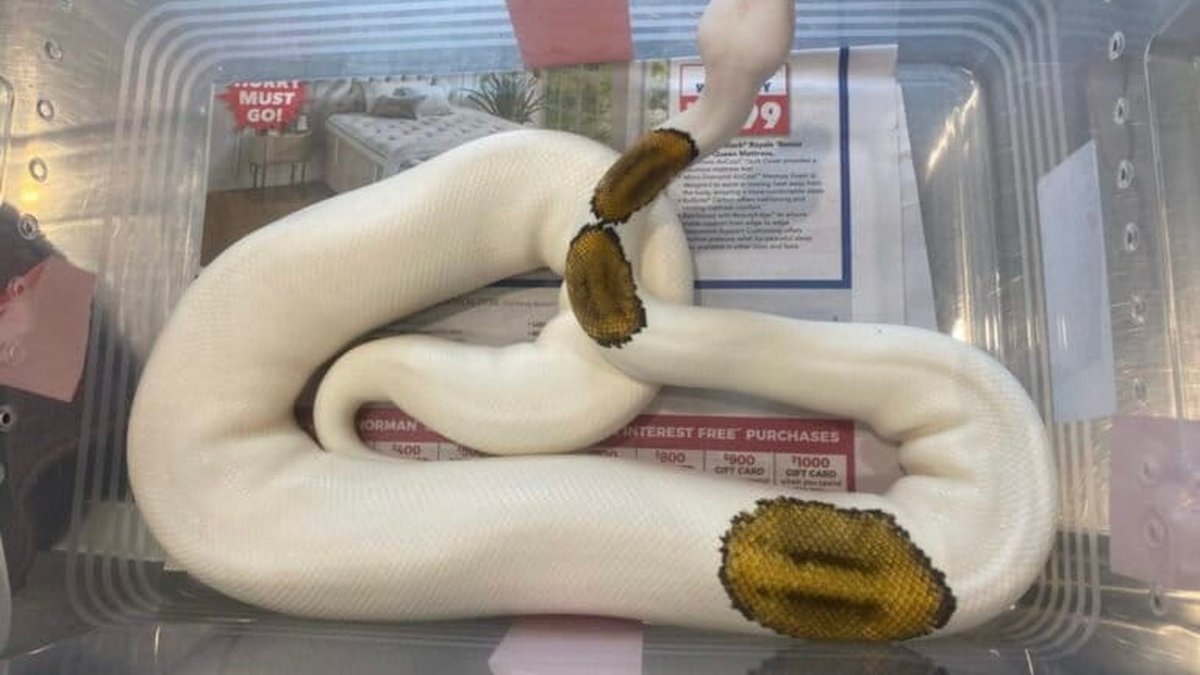
BUST: Australian Eco Police Crack Major Wildlife Trafficking Syndicate...
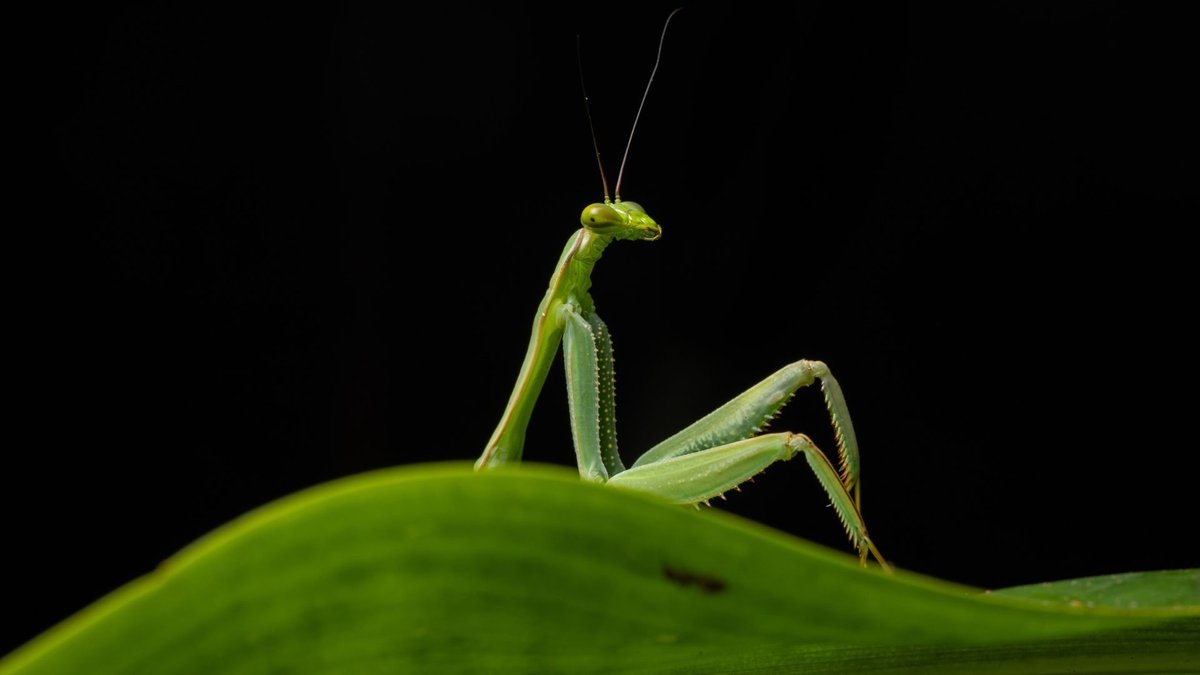
HILARIOUS: 'Sexy Mantis' and Prancing Sparrowhawk Win Comedy Wildlife Awards...
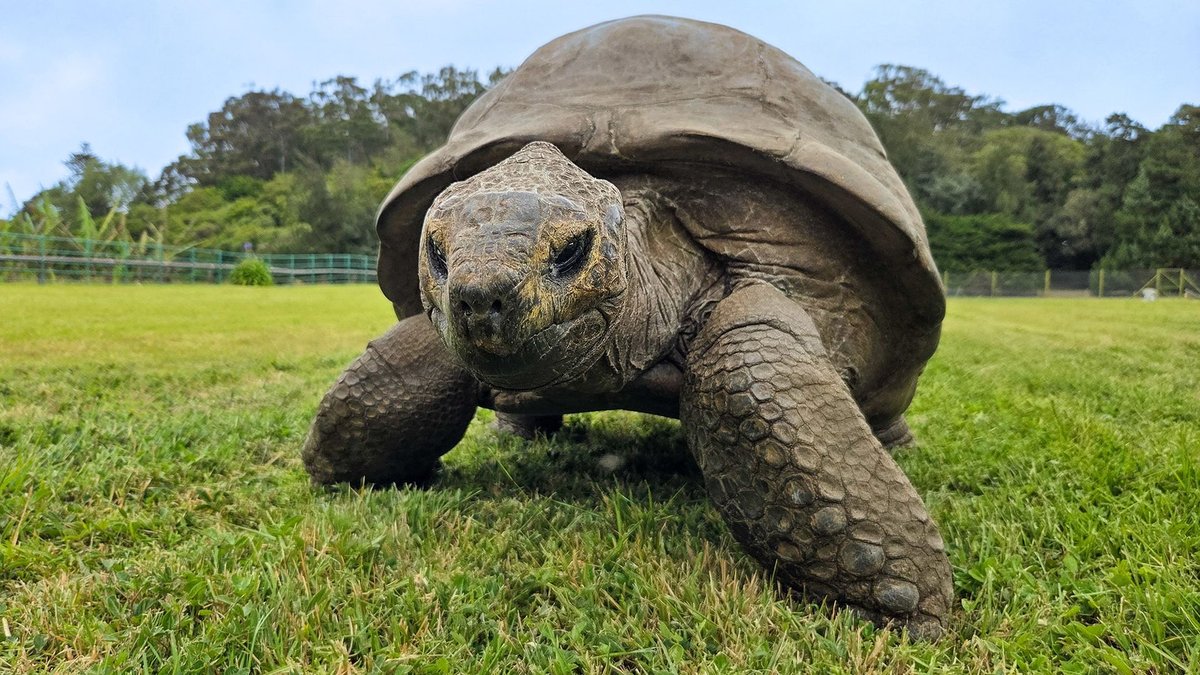
194 YEARS OLD: Jonathan the Tortoise's Longevity Secret Revealed by DNA...
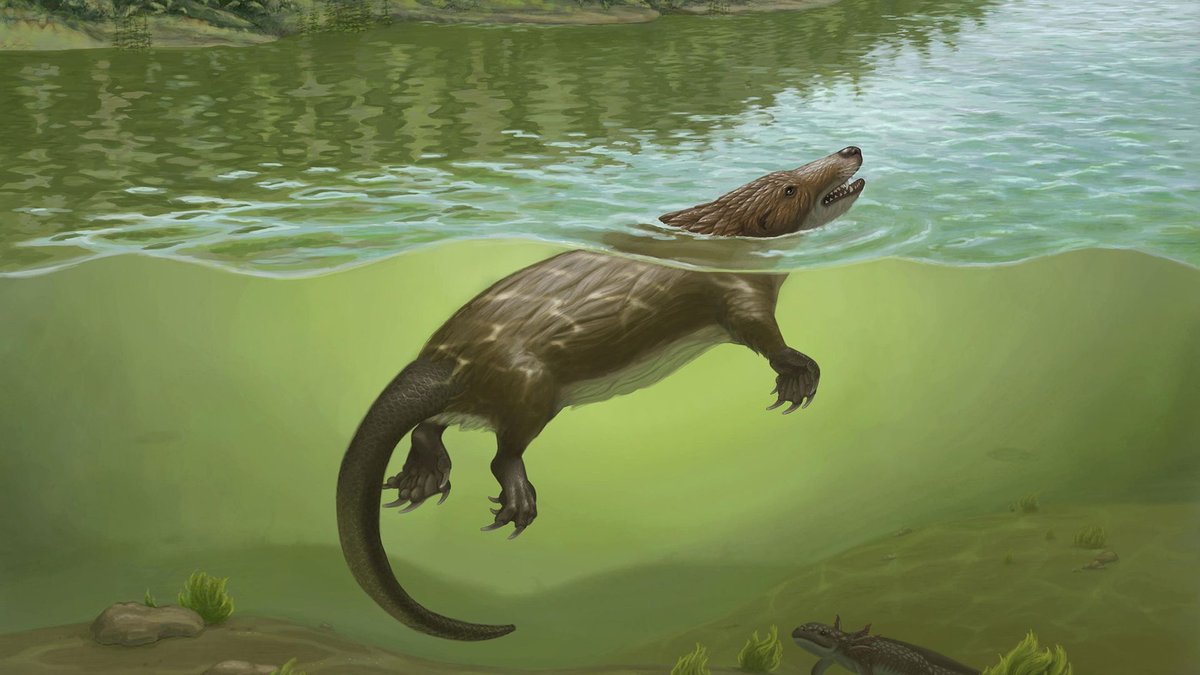
BIZARRE FOSSIL: 168-Million-Year-Old Platypus-Otter Creature Found in China...

Would you trust AI to calculate your true 'biological age'?