INSTAGRAM-FAMOUS WATER LILY CONFIRMED AS NEW, CRITICALLY ENDANGERED SPECIES...
Nature & Animals
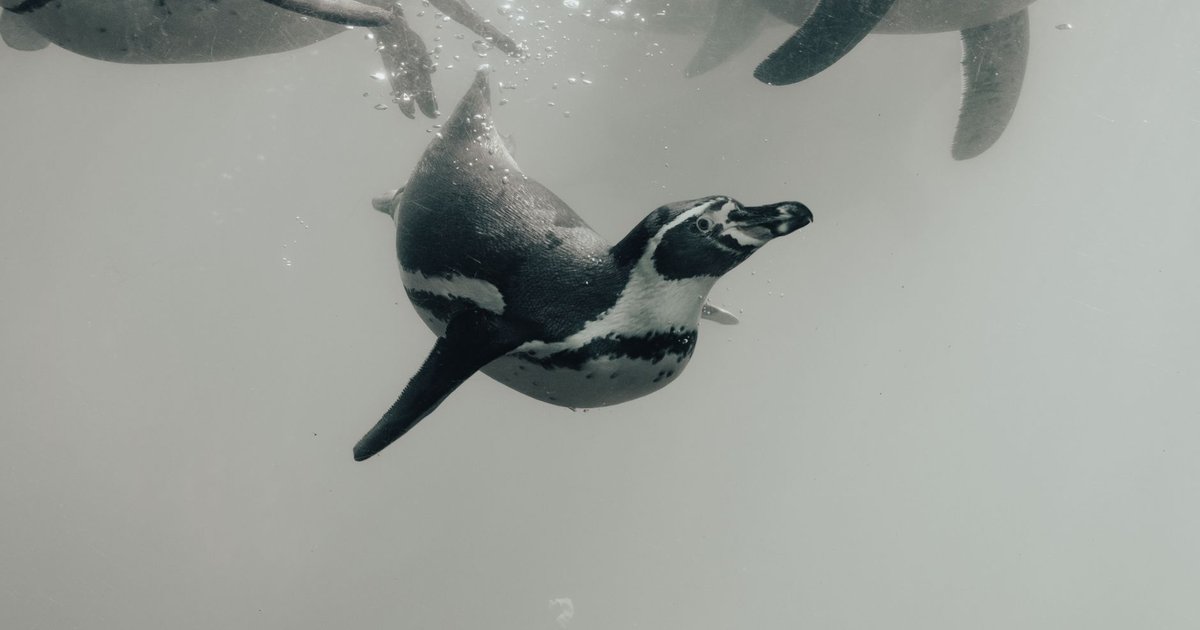
Why Do Penguins Live in Antarctica? They Never Left
Penguins didn't choose Antarctica — they inherited it. The birds evolved in the Southern Ocean roughly 60 million years ago, back when the Antarctic continent was warmer and ice-free. As the planet cooled over millions of years, penguins didn't migrate north to escape the freeze. Instead, they stayed and adapted so completely to cold that the icy Antarctic now seems like their only possible home.
By April 1920, when the Greenwood Daily Commonwealth in Mississippi published its pages, penguins were already ancient fixtures of Antarctic life — though most Americans knew them only as exotic curiosities from a distant world. The birds had spent tens of millions of years layering fat, waterproofing feathers, and engineering a metabolism that runs hot enough to survive temperatures that would kill almost any other animal.
What makes this evolutionary choice strange is that penguins' closest living relatives — cormorants and grebes — are freshwater and temperate-zone birds. Somewhere in the deep past, one lineage of diving birds drifted south and never came back. They traded flight for swimming, invested everything in becoming water creatures, and locked themselves into one of Earth's harshest climates.
Today, that commitment reads like evolutionary bet-hedging taken to its extreme. Penguins can't fly away if Antarctica warms. They can't waddle north across open ocean. They're so specialized for ice and cold water that moving them elsewhere is almost impossible — they overheat, sicken, refuse to breed. A penguin in a temperate zoo is a penguin in exile, living on ice that humans make for it.
They didn't choose Antarctica. They chose the ocean 60 million years ago, and the ice came to them.
More from Nature & Animals

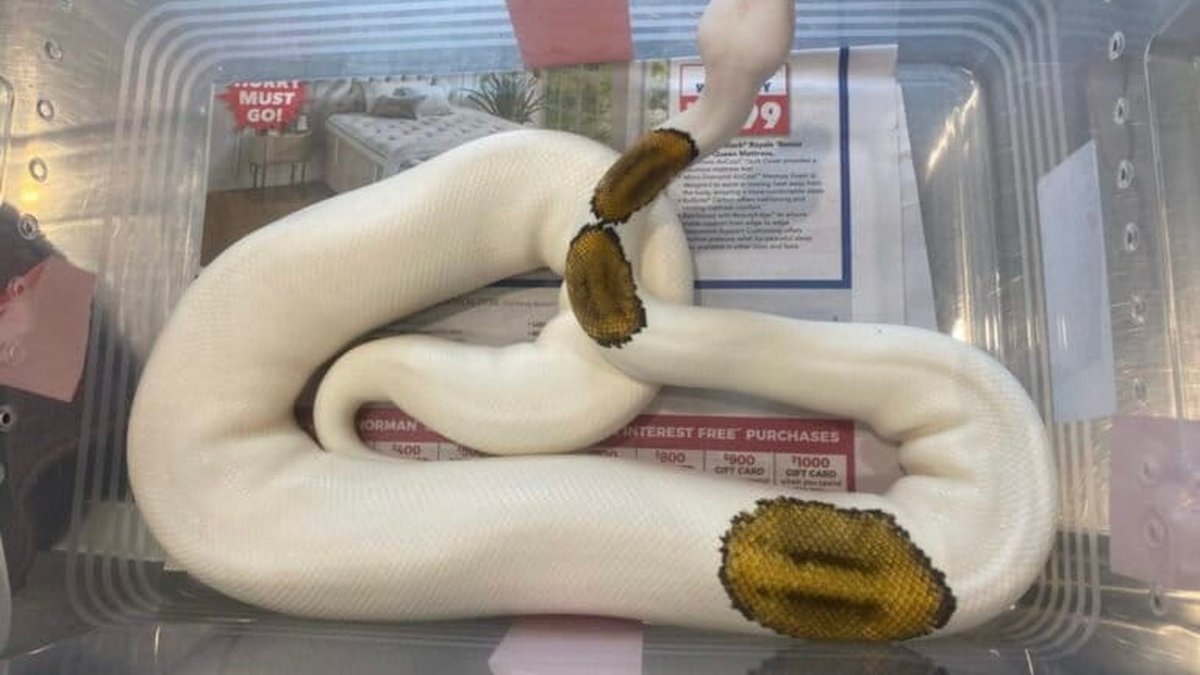
AUSTRALIAN AUTHORITIES BUST MAJOR WILDLIFE TRAFFICKING SYNDICATE...
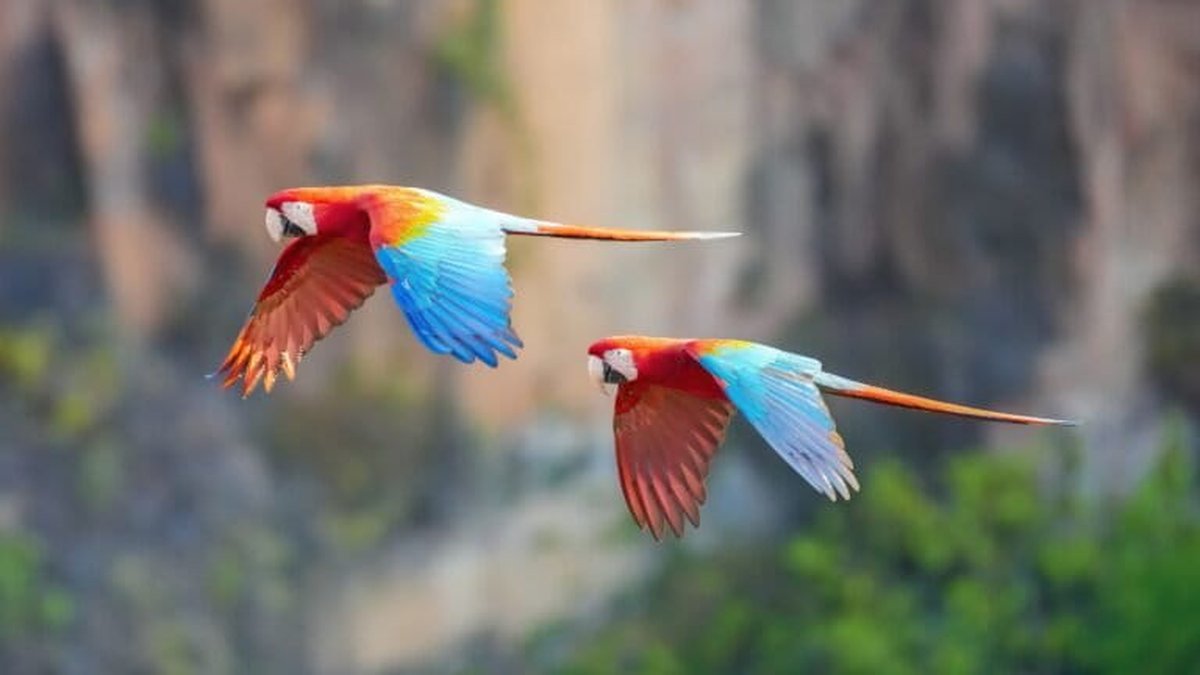
INDUSTRIAL-SCALE WILDLIFE TRAFFICKING BUSTED ACROSS LATIN AMERICA...
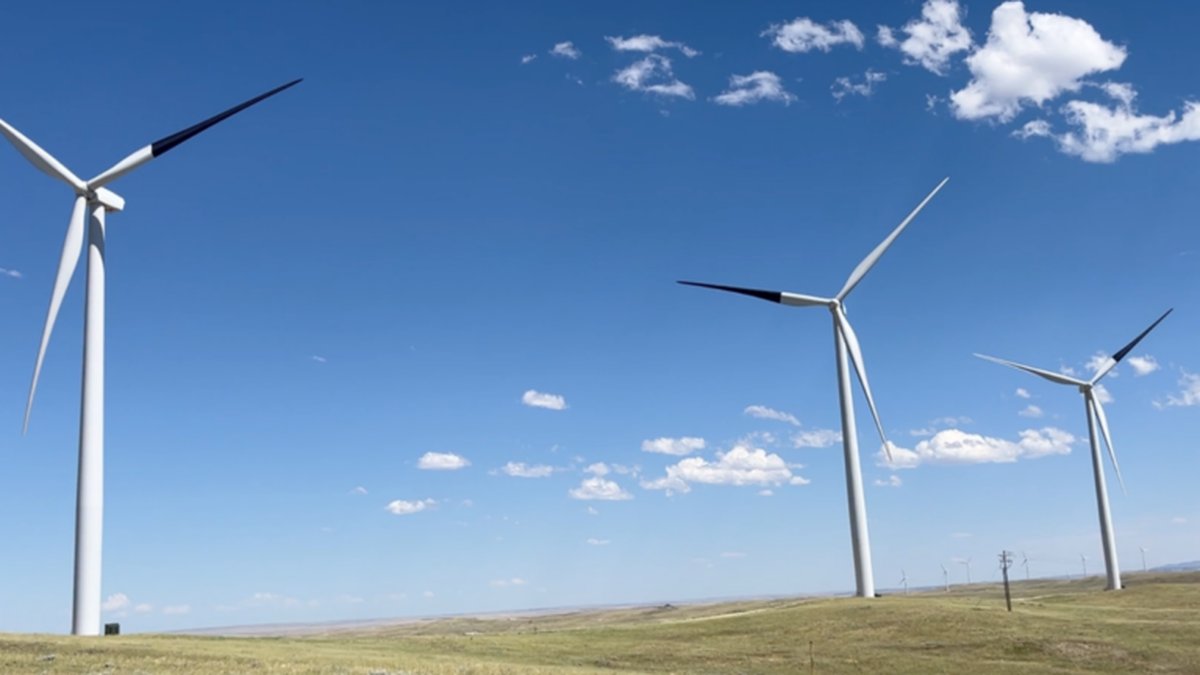
PAINTED WIND TURBINES DRAMATICALLY REDUCE BIRD DEATHS, STUDY FINDS...

BIG DOGS AGE FASTER AT EPIGENETIC LEVEL, STUDY REVEALS...
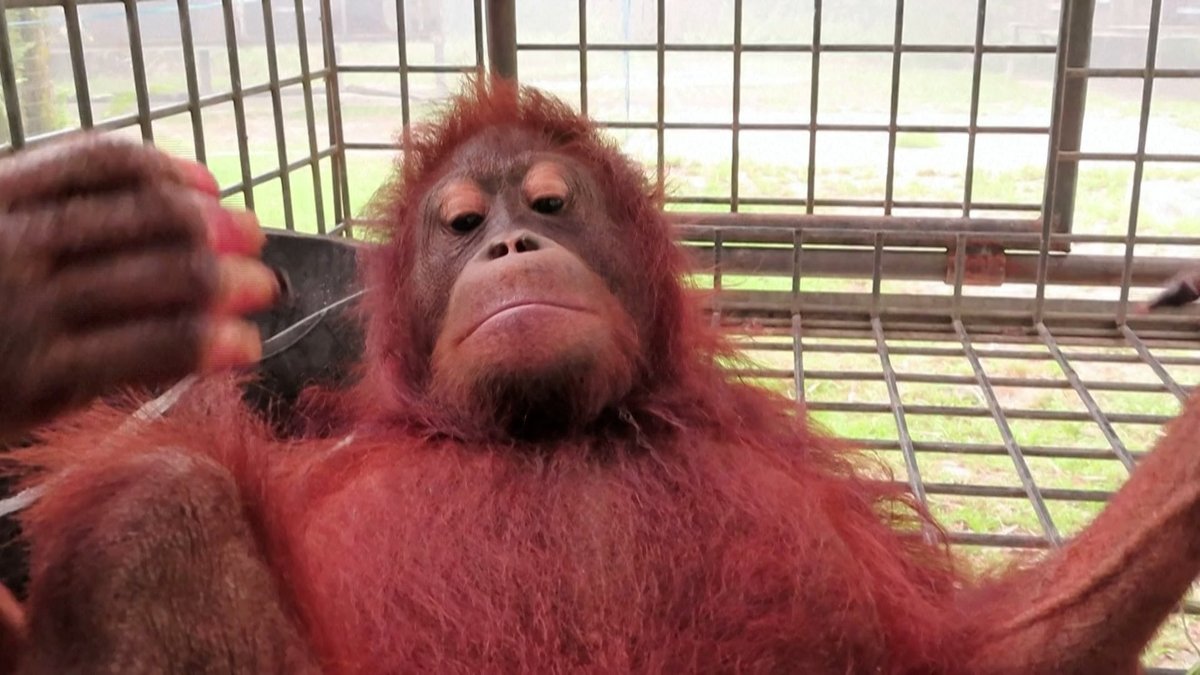
INJURED ORANGUTAN RESCUED FROM INDONESIA WILDFIRES...
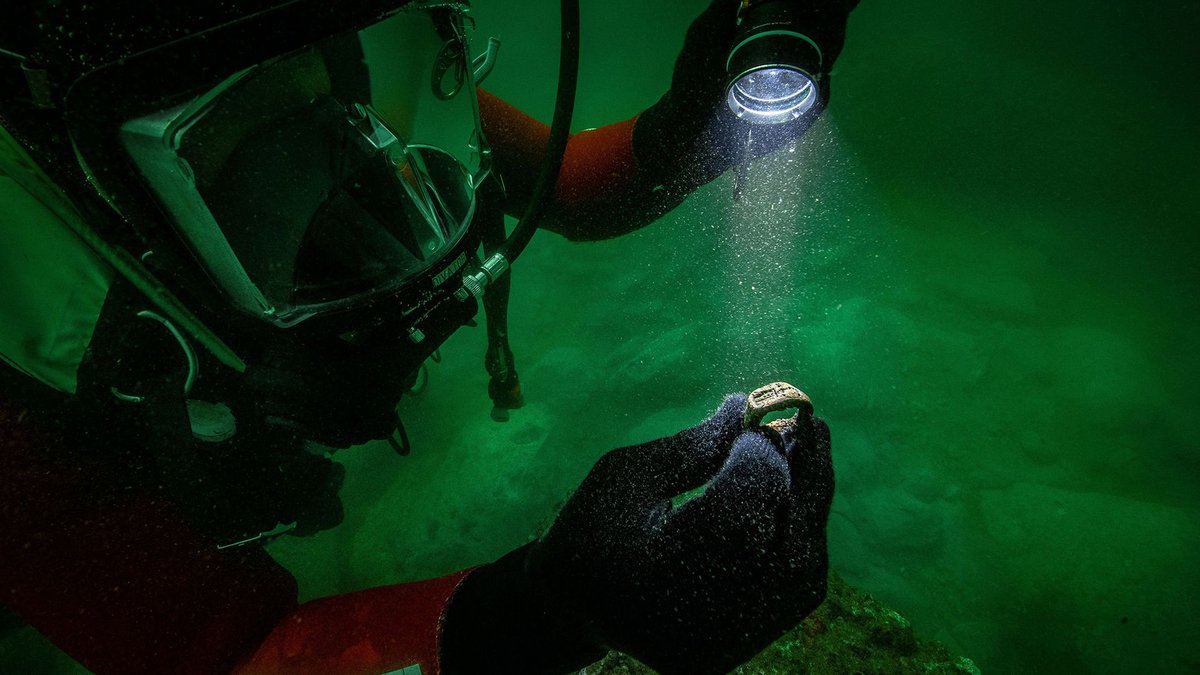
ANCIENT BRONZE RING WITH LIGHTHOUSE CARVING FOUND IN EGYPT...

BLOOD 'PROTEIN SIGNATURE' COULD PREDICT HEALTHY AGING...
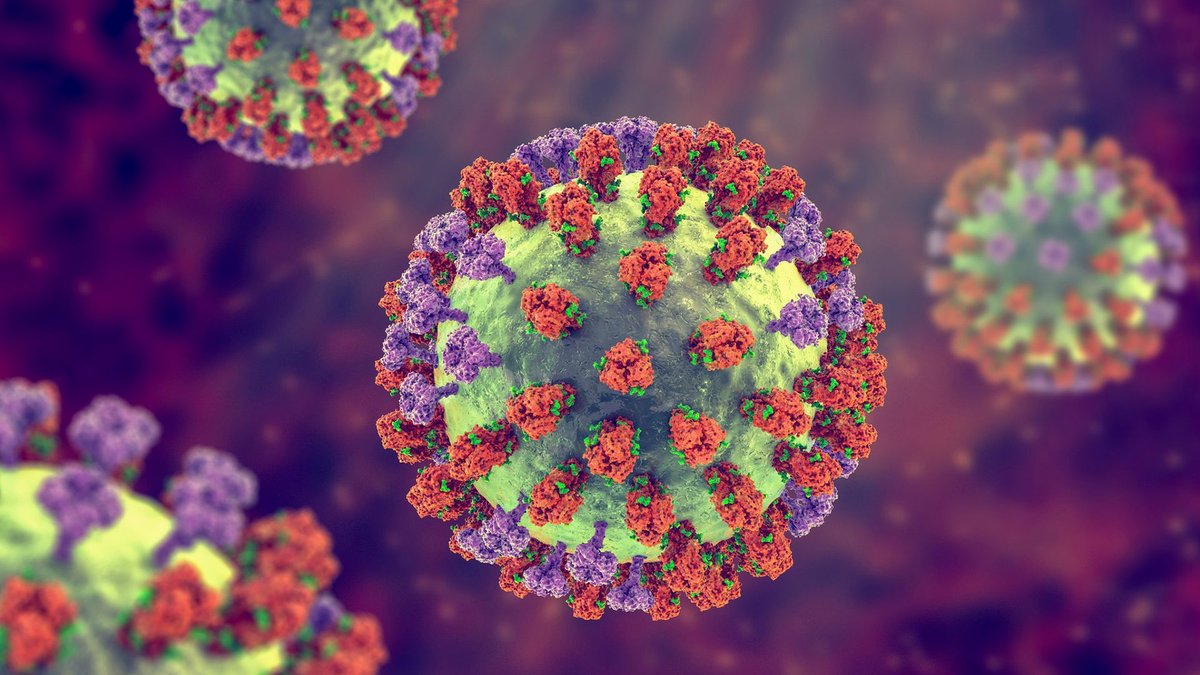
'October is the ideal time to get vaccinated': Flu season is kicking off early, experts say