Nature & Animals
What Makes a Bald Eagle's Grip Lethal
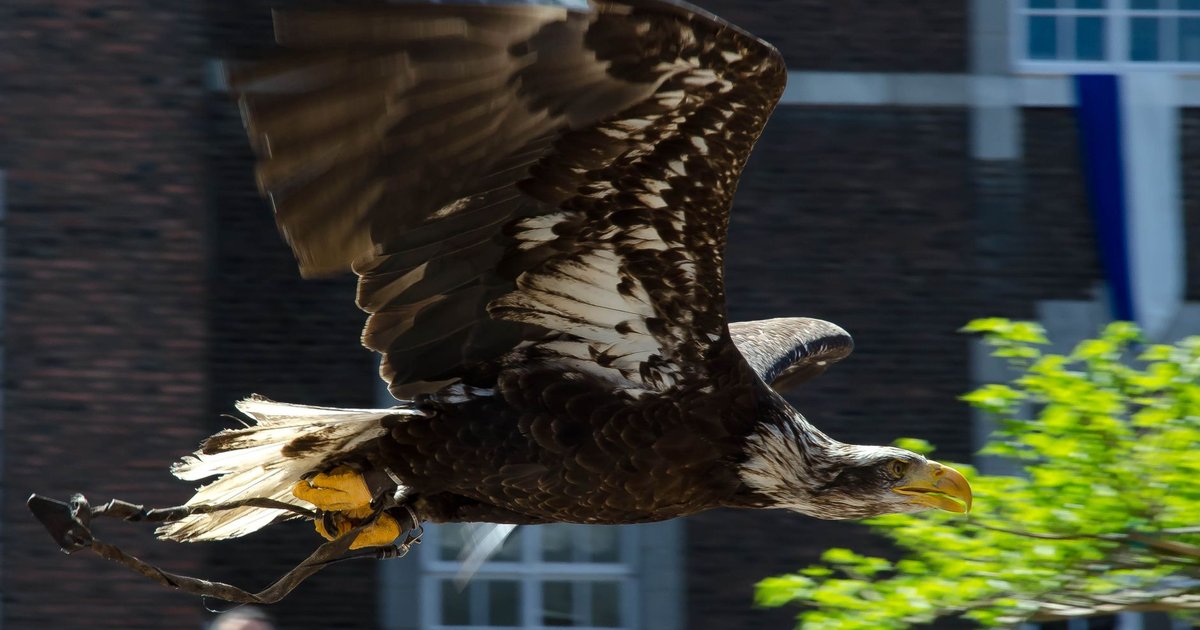
A bald eagle's talons close with 500 pounds of pressure per square inch. That's roughly the force of a bear trap snapping shut. For context, a human hand grip maxes out around 60 pounds. The eagle uses those talons to pluck fish from water moving at 10 miles an hour, sometimes carrying prey heavier than the bird itself.
But raw crushing power isn't the whole story. An eagle's vision is the real weapon. It spots a fish from 1,000 feet away—and while it's diving at 100 miles per hour, it never loses sight of the target. By the time the talon strike happens, there's no escape.
The size variation is wild. A female bald eagle can weigh 13 pounds; a male, around 9 pounds. Those females are hunting larger prey—up to a 6-pound catfish, a weight that would ground most other raptors mid-flight. The talons themselves span 4 to 5 inches, curved like sickles.
What makes the grip especially effective is geometry. Unlike a human hand, the eagle has eight tendons that lock the talons into place passively—no muscular effort required once they clench. A fish thrashing in the water, a goose trying to flee across ice—neither can slip free. The eagle just has to hold on until the prey stops moving.
For decades, bald eagles crashed into extinction from DDT poisoning and habitat loss. They're back now—soaring above rivers and coastlines across North America. It's easy to see why early colonists chose them for the national seal. Deadly efficiency wrapped in white feathers.
More from Nature & Animals