Nature & Animals
The Trees That Breathe Like Fish
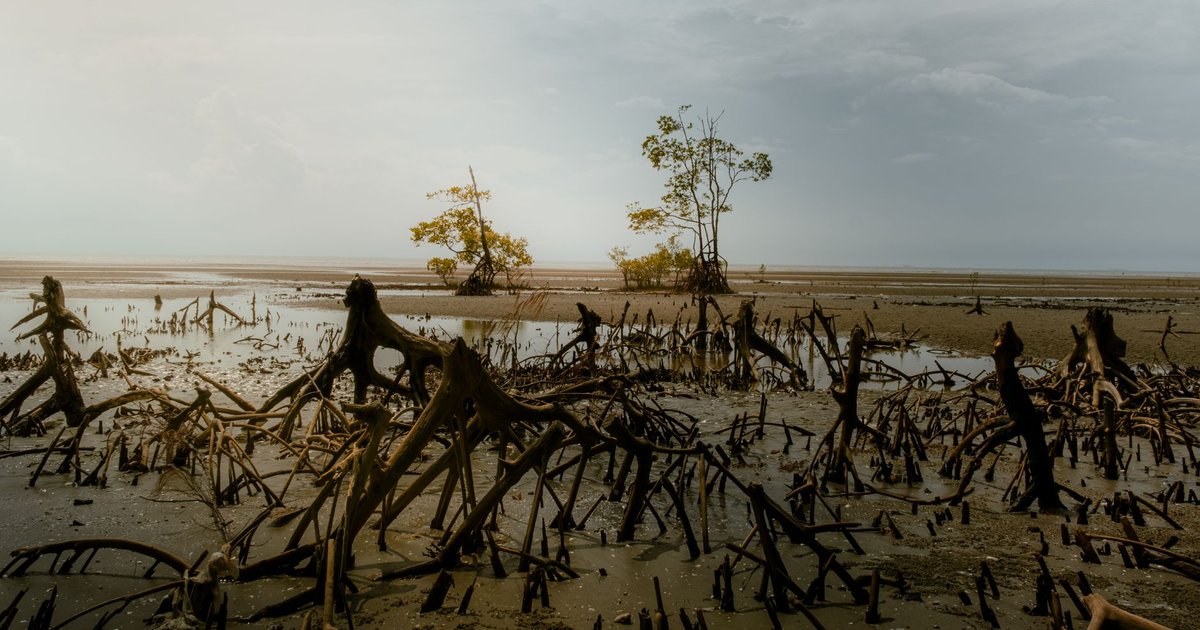
Mangrove roots don't look like roots. They look like wooden spiders frozen mid-stride above the water, or like someone inverted a tree and planted the branches instead. This isn't decorative: those aerial roots are how mangroves survive something almost no other tree can tolerate—saltwater.
Most trees would die instantly in seawater. Salt clogs the vascular system; roots can't absorb water through osmotic pressure when the soil is saltier than the tree's tissues. Mangroves solved this with filtration. Their roots actively block salt from entering, keeping the xylem inside fresh enough to transport upward. Some species also excrete excess salt through leaf pores—you can literally taste the salt on mangrove leaves if you lick them.
But the roots serve another function: they're a trap. Fish fry, shrimp larvae, and crustaceans shelter in the tangled network above and below the waterline. A single mangrove forest can support more species per square meter than a tropical rainforest. The Sundarbans—a 10,000-square-kilometer mangrove forest straddling India and Bangladesh—holds tiger cubs, crocodiles, and over 400 fish species in a landscape that most animals can't access at all.
Mangroves occupy roughly 0.1 percent of Earth's ocean surface, yet they store carbon at rates three to four times faster than upland forests. A hectare of mangrove can sequester around 4.9 metric tons of carbon per year—that's why climate scientists have started treating them as a priority.
Which makes the numbers terrifying. We've lost roughly half the world's mangroves since 1950. Aquaculture shrimp farms have destroyed entire coastlines in Southeast Asia. Development, pollution, and rising sea levels are accelerating the collapse. In some regions, the forest is retreating so fast that mangroves can't migrate inland quickly enough to survive.
Those impossible roots evolved for a world that no longer exists at the speed it's changing.
More from Nature & Animals