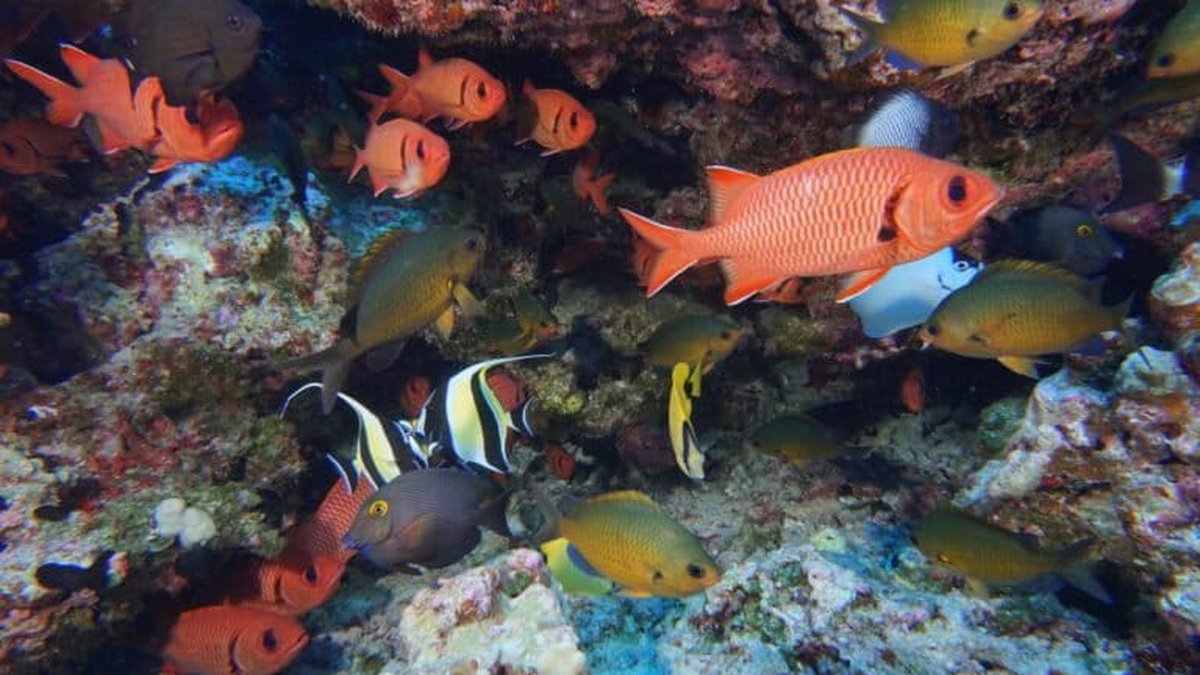
REEFS DYING FASTER: Global Coral Losing Recovery Time as Oceans Heat Up...
Nature & Animals
Why Do Sloths Move So Slowly? Energy, Not Laziness.
A sloth spends about 15 to 20 hours a day hanging motionless in a tree. This isn't laziness—it's math. The animal eats only leaves, which are almost worthless as fuel. A single meal takes days to digest. Moving fast would burn calories it can't afford to burn.
On September 18, 1920, the *Rice Belt Journal*, a small newspaper in Welsh, Louisiana, ran a piece about a sloth. The mention is fleeting—a society column, a shipment note, maybe a traveler's tale—the kind of item that caught a rural editor's eye because sloths were exotic, foreign creatures that most readers would never see in person. Rails and steamships were connecting the Gulf Coast to Central and South America, and stories of the rainforest occasionally drifted north in print.
What the *Rice Belt Journal* couldn't have conveyed in 1920, and what we understand now, is how perfectly calibrated the sloth's slowness really is. Its body temperature fluctuates wildly—dropping several degrees on cool nights to preserve energy. Its muscles are designed for hanging, not sprinting. Even its digestive system processes leaves so slowly that a sloth may defecate only once a week.
When a sloth does move, it's deliberate. Descending to the ground once a week to urinate and defecate is the most dangerous moment of its life—where jaguars and harpy eagles hunt. But the energy cost of moving more often, of maintaining a faster metabolism, outweighs the predation risk.
The sloth didn't evolve to be lazy. It evolved to survive on almost nothing. In a rainforest where leaves are abundant but nearly worthless nutritionally, slowness isn't a character flaw. It's the only strategy that works.
More from Nature & Animals
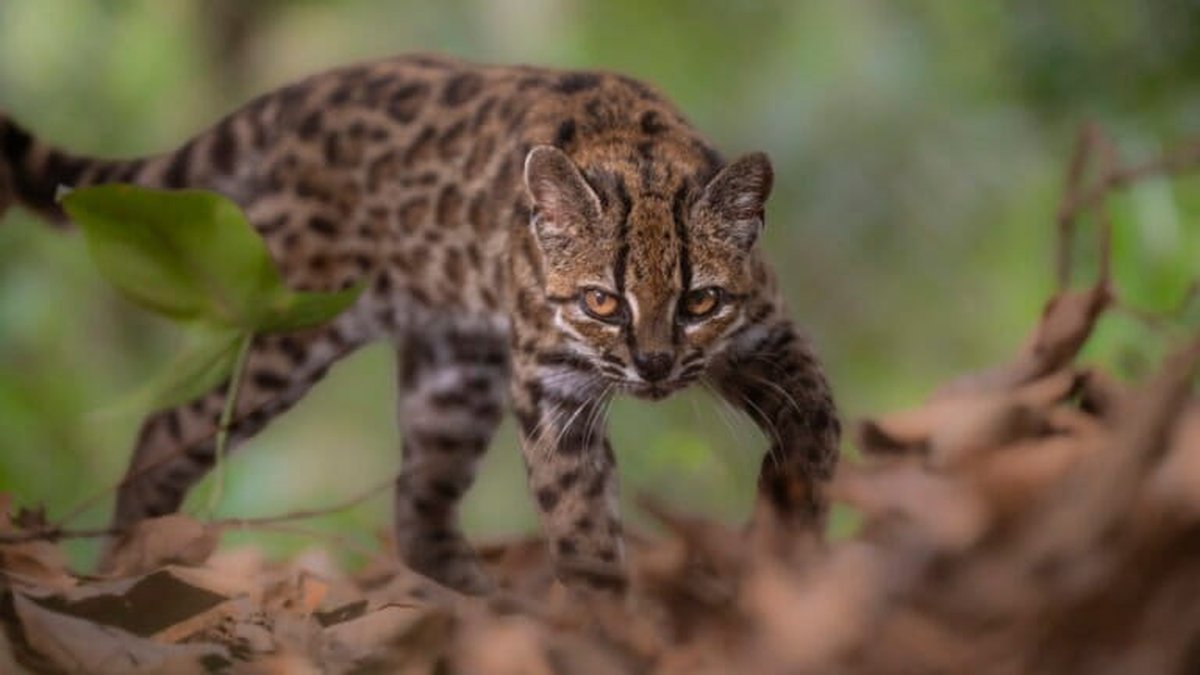
NEW CAT SPECIES: First 'New-to-Science' Feline Found in 100+ Years...
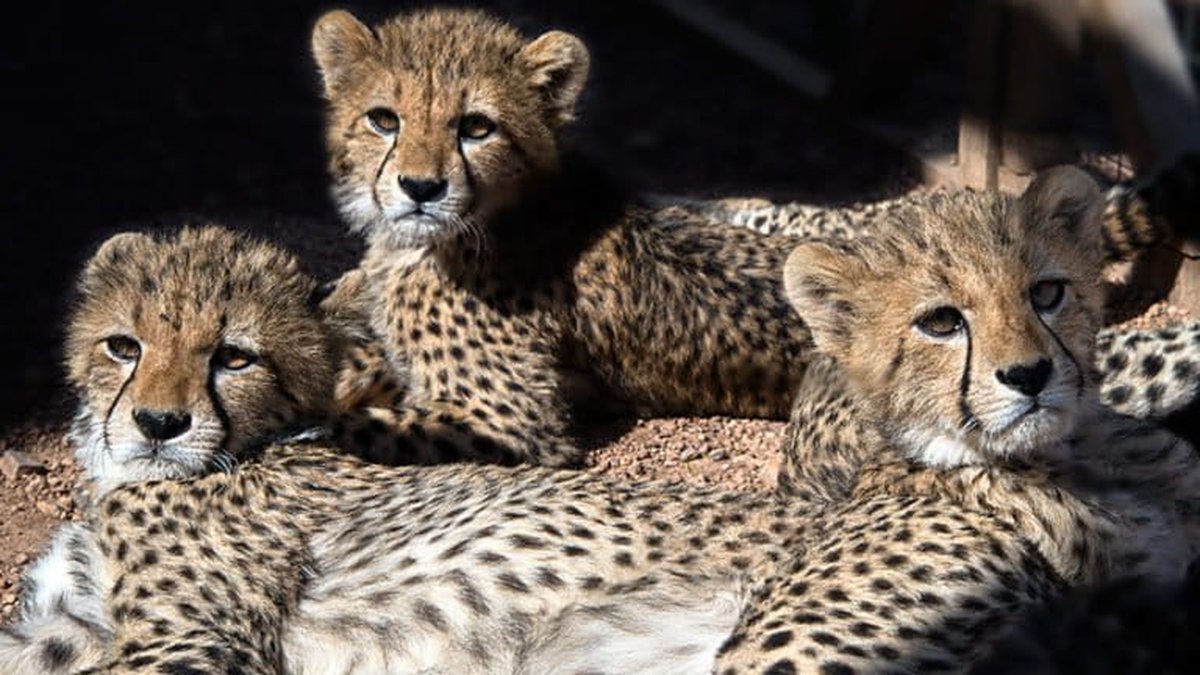
CUBS THRIVE: Five Cheetah Babies Recover After Storms and Mother's Illness...
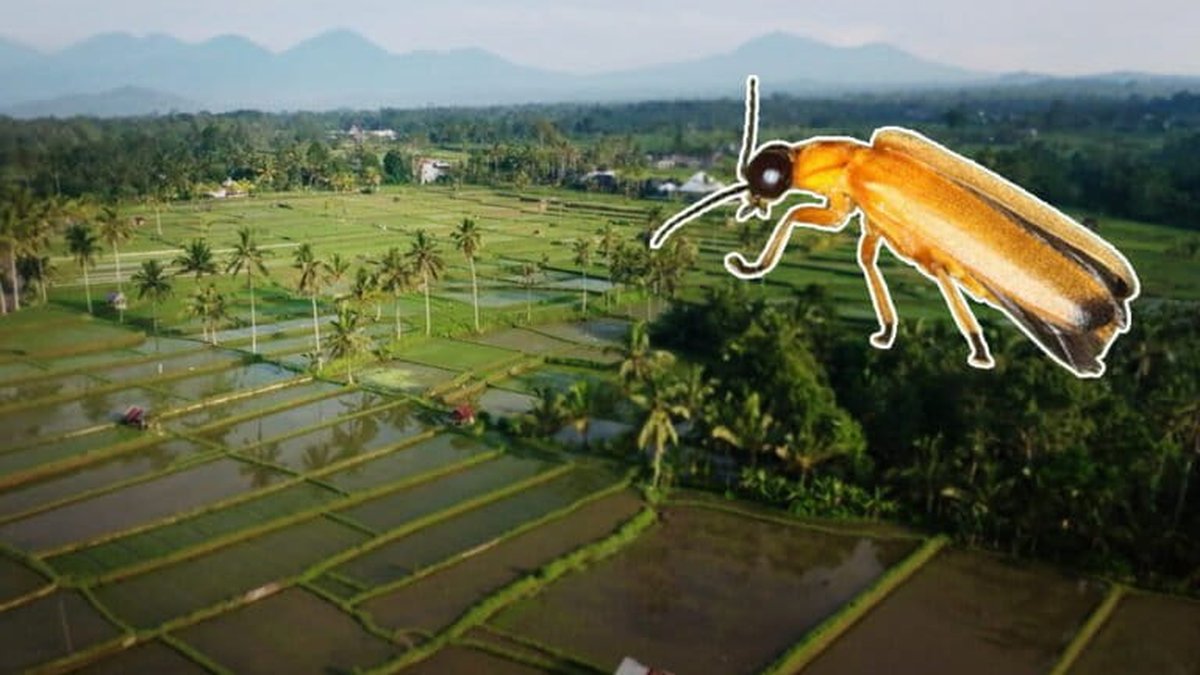
FIREFLY RESCUE: Bali Aims to Save Vanishing 'Clouds' of Insects...
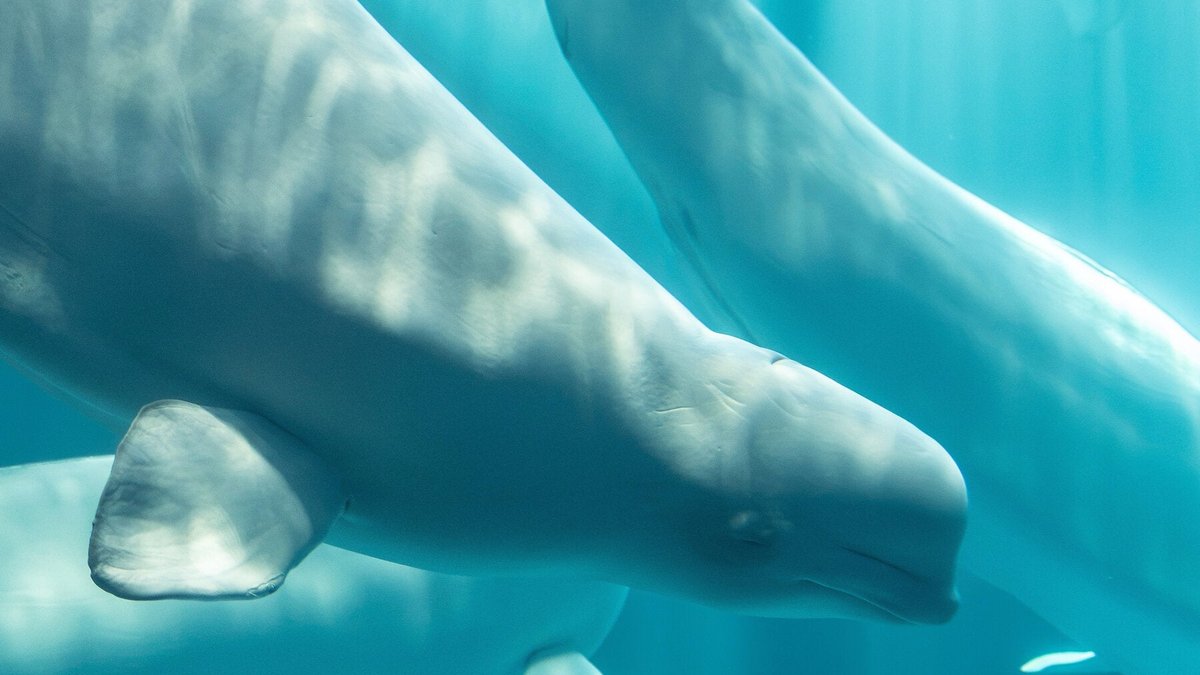
BELUGA TRAGEDY: Four Whales Die After Major Rescue From Canadian Marine Park...
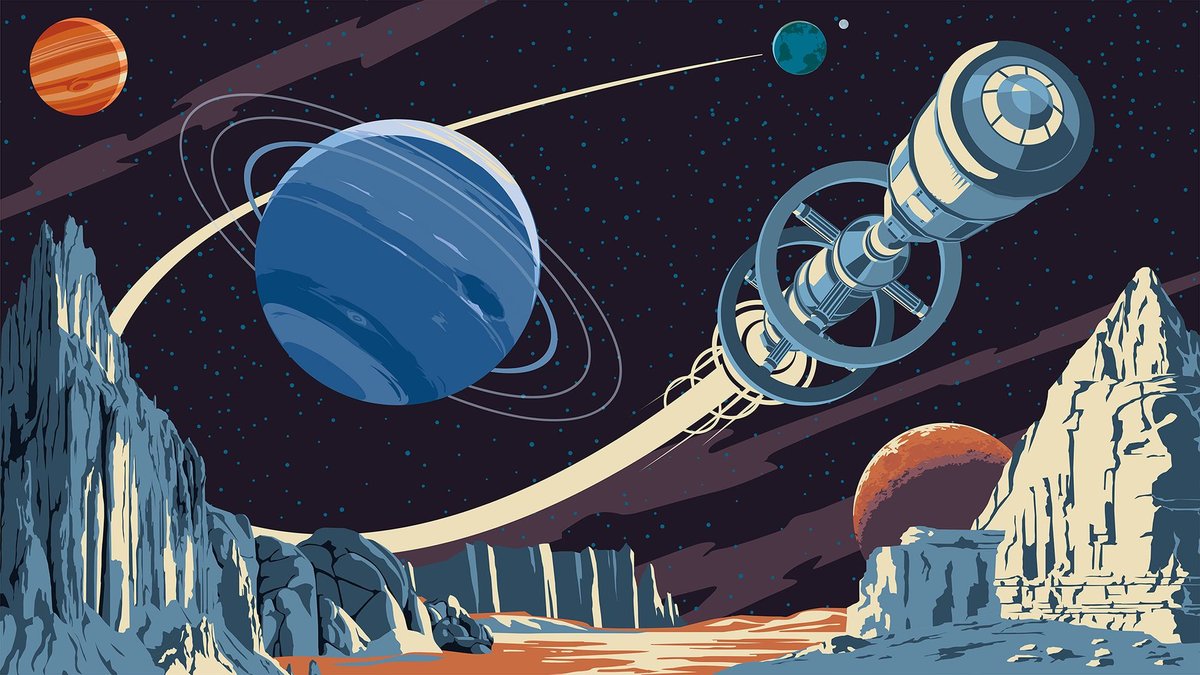
FUSION BREAKTHROUGH: Nuclear Propulsion Could Transform Space Travel...

NASA REVEALS: New PRIMA Telescope Could See Beyond James Webb...
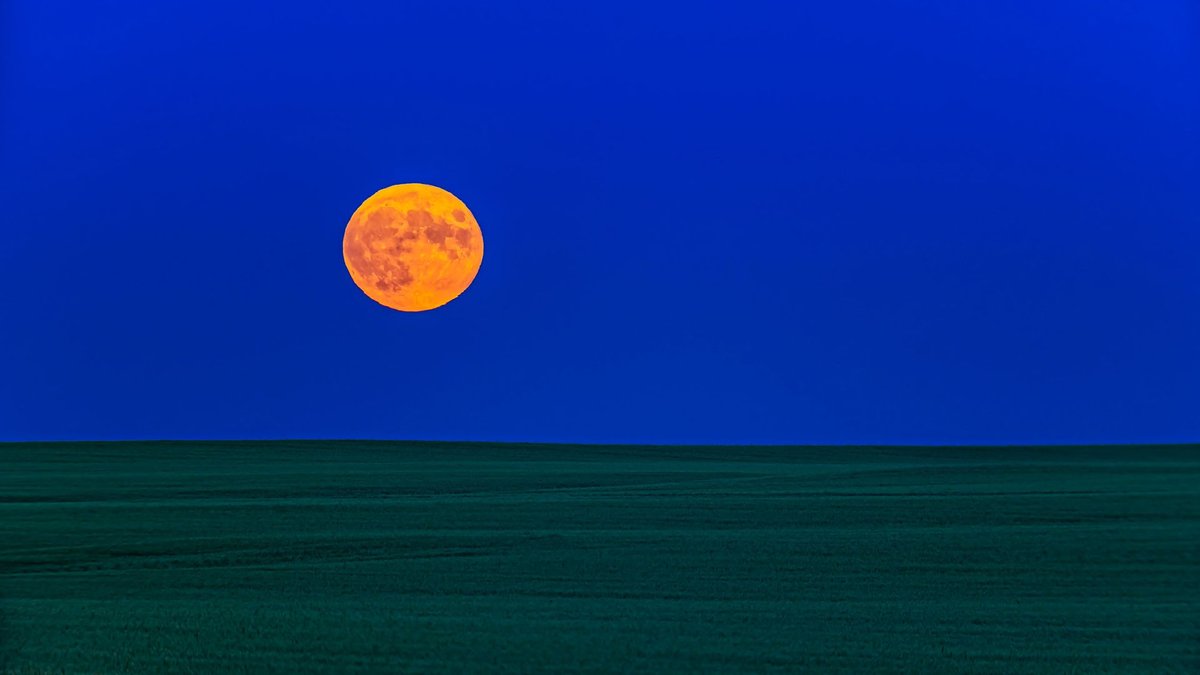
HARVEST MOON: Autumn's First Full Moon Rises With Saturn Tonight...
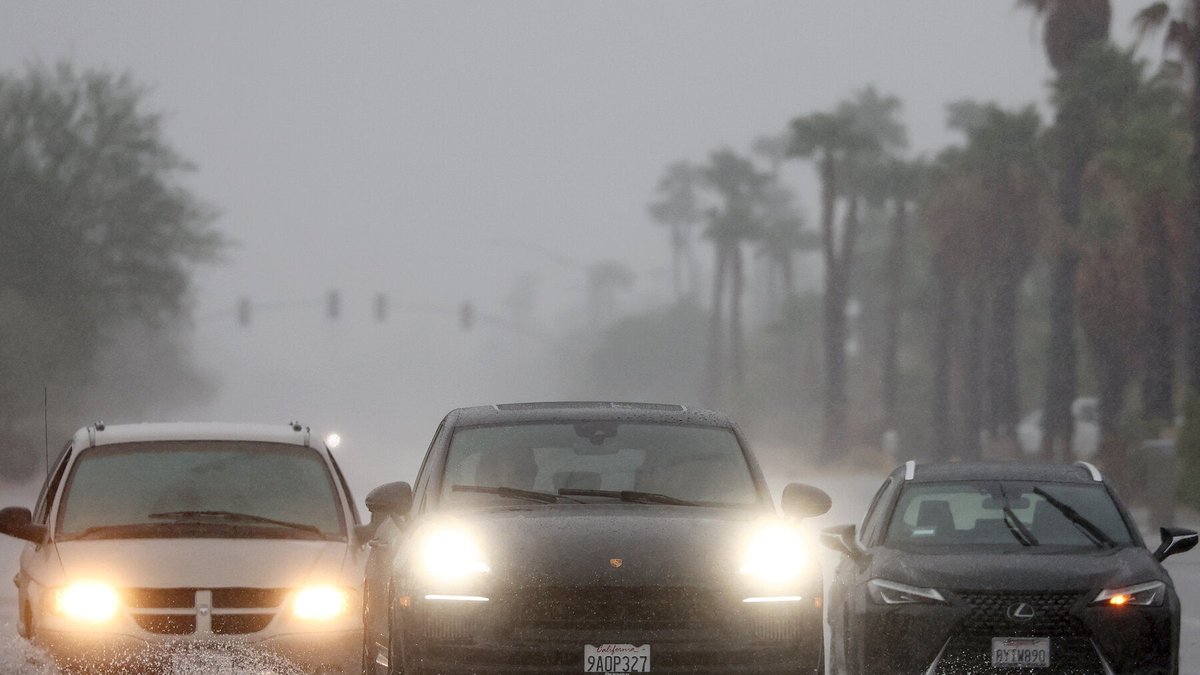
CALIFORNIA WATERS: El Niño May Bring Too Much Rain to Keep...
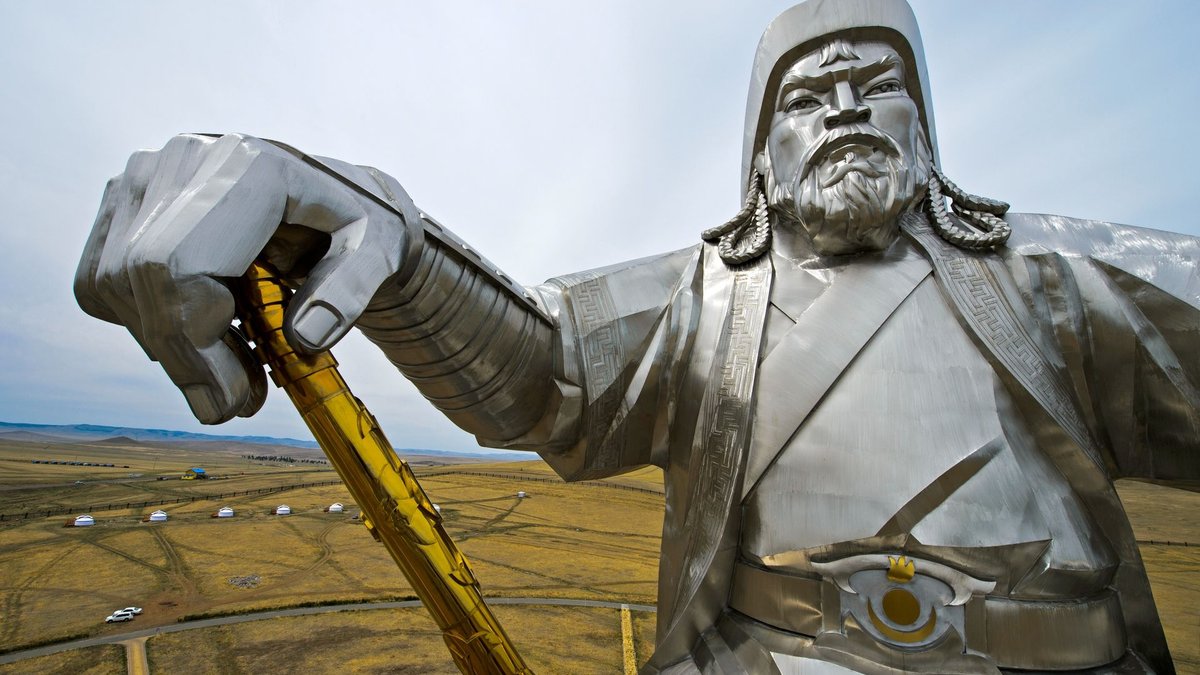
Why the tomb of the 'Disturber of the Universe' remains hidden after 800 years

How the body’s own immune system can attack the brain

How a horse flu crisis fueled animals rights advocacy in the U.S.