RECORD HEIGHT: German Wind Turbine Surpasses Eiffel Tower at 365 Meters...
Nature & Animals
Why Do Raccoons Wash Their Food? The Real Answer Isn't What You Think
A raccoon dunking an apple in a stream looks like an animal practicing good hygiene. It isn't. What looks like fastidious washing is actually something stranger: the raccoon is using water to sharpen its sense of touch. Their front paws are packed with nerve endings—more sensitive than human fingertips—and water makes those nerves fire faster and more accurately. Dunk a crayfish in the creek and the paws suddenly know exactly what they're holding. Hold it dry and the information is muddier.
On May 14, 1931, The Ronan Pioneer in western Montana published a small notice about a raccoon caught doing exactly this—and readers in 1931 were as charmed and confused by the behavior as people are now, scrolling through videos a century later. Back then, no one had a clue why. The raccoon-washing-food story had already calcified into folk wisdom: they're clean animals, fussy about their meals. The truth is more pragmatic and less sentimental. A raccoon isn't being dainty. It's getting better data.
This matters because it reveals something about how we watch animals. We see behavior and instantly narrate it through human values—cleanliness, care, intention. A raccoon's paws aren't hands trying to wash; they're sensory organs trying to read. The water is the tool. The food is almost secondary to the real work, which is exploration through touch.
Modern wildlife biologists confirmed what raccoons have known all along: their sense of touch underwater is their superpower. In murky streams and murky ponds, where eyes don't work well, those hypersensitive paws do the heavy lifting. A raccoon isn't worried whether its dinner is clean. It's checking whether it's edible, how big it is, whether it will bite back. The water isn't soap. It's a better way to see.
More from Nature & Animals

FROG RESCUE: Endangered Southern California Frogs Released Back to Wild...
DOLPHIN BEHAVIOR: Marine Mammals Keep Hunting Separate from Social Spots...
ISLE ROYALE WOLVES: Inbred Pack Likely to Survive Despite Isolation...
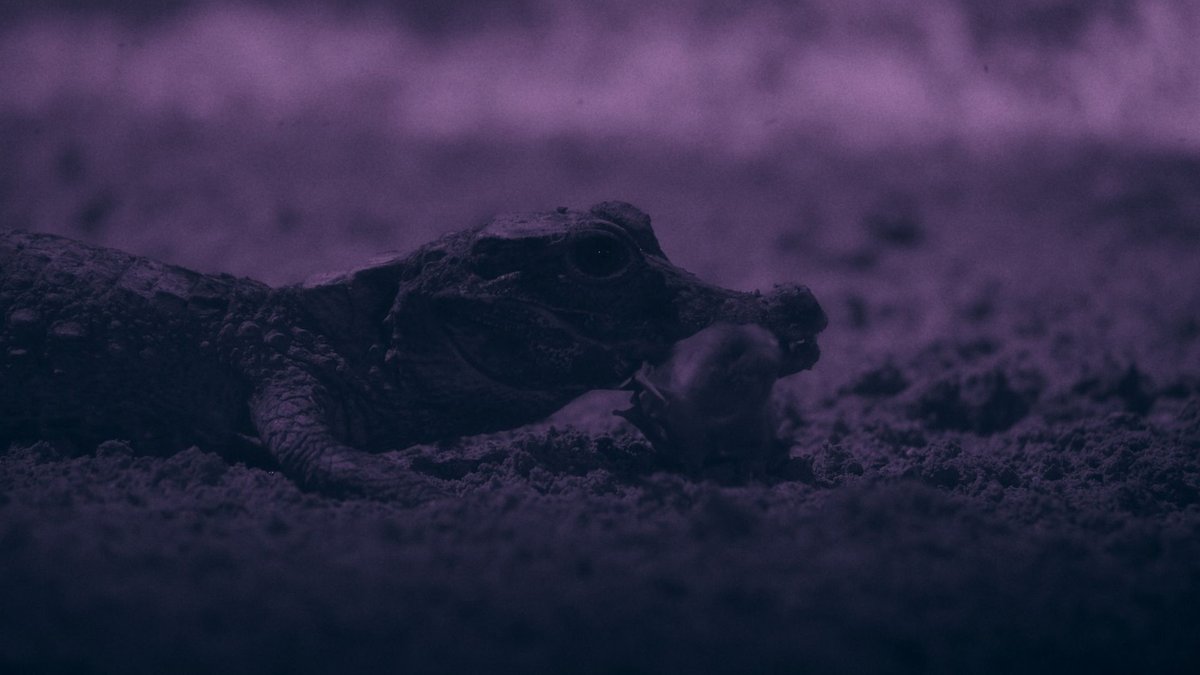
NEVER-BEFORE-SEEN: Dwarf Crocodiles Snatch Bats in Hidden Underground Lair...

Your voice may reveal how fast you're aging, new AI 'speech clock' suggests

Adversity shaped our evolution as a species. People raised in it may have underrecognized strengths because of it.