Nature & Animals
What the 1902 Tribune Knew About Hyenas (We've Forgotten Half)
On September 7, 1902, the New York Tribune ran a story about hyenas. The paper was selling readers a particular version of the animal: cowardly, ghoulish, a scavenger that slunk behind lions and picked at corpses. Hyenas were the villains of Africa, the story went. Useful only as cleanup crews.
This stuck. The image persisted for a century, reinforced by every children's book and nature documentary that needed a clear antagonist. Even now, hyenas carry the reputation of grave-robbers and thieves.
Except that version was mostly wrong.
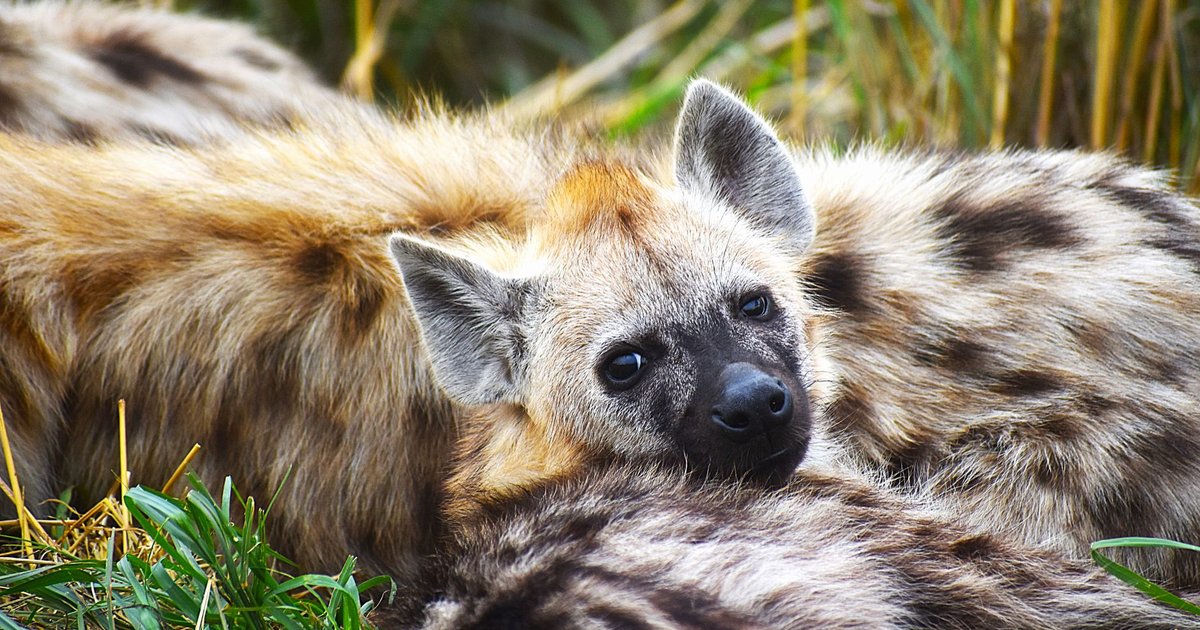
Hyenas are apex predators. A spotted hyena's bite force—1,100 pounds per square inch—matches a lion's. They don't follow lions to steal scraps; they hunt their own prey, regularly. In some African ecosystems, hyenas bring down more large game than lions do. They're efficient, coordinated hunters that operate in clans with strict hierarchies and surprising social sophistication.
Why did the 1902 Tribune get them so backwards? Partly because Europe had exterminated its own large predators centuries earlier—wolves, bears—and had developed a deep cultural unease around any animal that ate meat and didn't serve human purposes. Hyenas were exotic enough to fascinate, strange enough to repel, and far enough away that no one fact-checked the fear.
The Tribune couldn't have known that in a hundred years, we'd learn hyenas recognize individual voices, maintain coalitions, and teach their young how to hunt. They couldn't have known we'd reverse-engineer the myth almost entirely.
But the fact that we believed it so long—that a newspaper could confidently declare an entire species cowardly and worthless—says more about what Victorian readers wanted to believe than it says about hyenas themselves. We're better at reading animals now. Mostly.
More from Nature & Animals