Nature & Animals
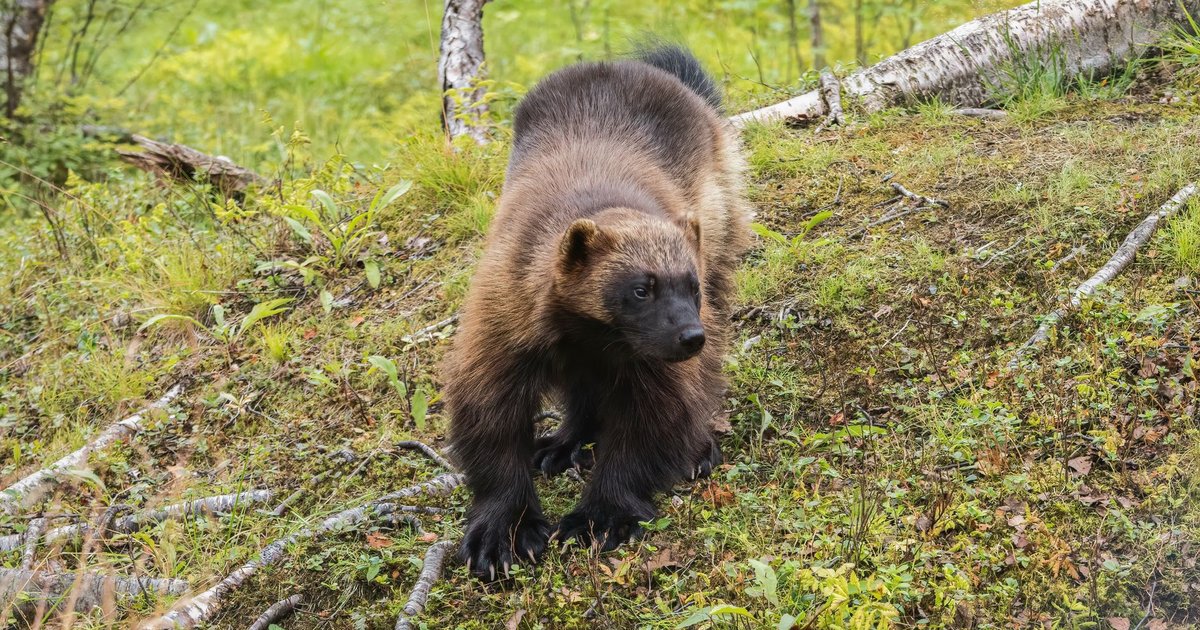
The Animal That Breaks Its Own Bones to Survive
A wolverine caught in a steel trap will do something almost no other animal will: dislocate its own limb at the shoulder or hip socket, then drag itself free. The joint pops back into place after. No anesthesia. No infection that stops it. It just... continues.
They weigh maybe 40 pounds. A large dog. Yet a wolverine can kill a moose weighing over 1,000 pounds—not through speed (they max out around 30 miles per hour) but through a combination of jaw pressure, relentless aggression, and an almost contemptuous disregard for being injured. Claws that don't retract. Teeth designed to crush bone, not slice meat. A bite force concentrated in a smaller area than a tiger's, making the pressure-per-square-inch far higher.
Their metabolism runs so hot they need roughly three times the calories per pound of body weight that a wolf does. In the Arctic, they'll eat a seal carcass that's been frozen for months, their stomach acid strong enough to break down bone and fur. They'll cache kills under snow and remember the locations across seasons.
They're solitary and nearly impossible to trap, not because they're rare—they exist across the Arctic and northern forests of North America, Europe, and Asia—but because they're smart enough to avoid human patterns. A wolverine that encounters a trap once might never approach another, even if it's starving.
The animal isn't faster, stronger pound-for-pound than a badger, or meaner than a honey badger relative to its size. But it's bigger, and it inherited every advantage those smaller cousins have—the low center of gravity, the thick hide, the pain tolerance—then added size and a brain sharp enough to weaponize all of it. Nature's answer to: what if we made the meanest small animal and then just... made it bigger?
More from Nature & Animals