Nature & Animals
The Raccoon's Hands Are Smarter Than You Think
A raccoon's front paws contain about 4 times more sensory nerve endings per square inch than a human fingertip. That's not metaphorical dexterity — it's literal hypersensitivity, wired straight into their brains in a way that rewrites how they experience the world.
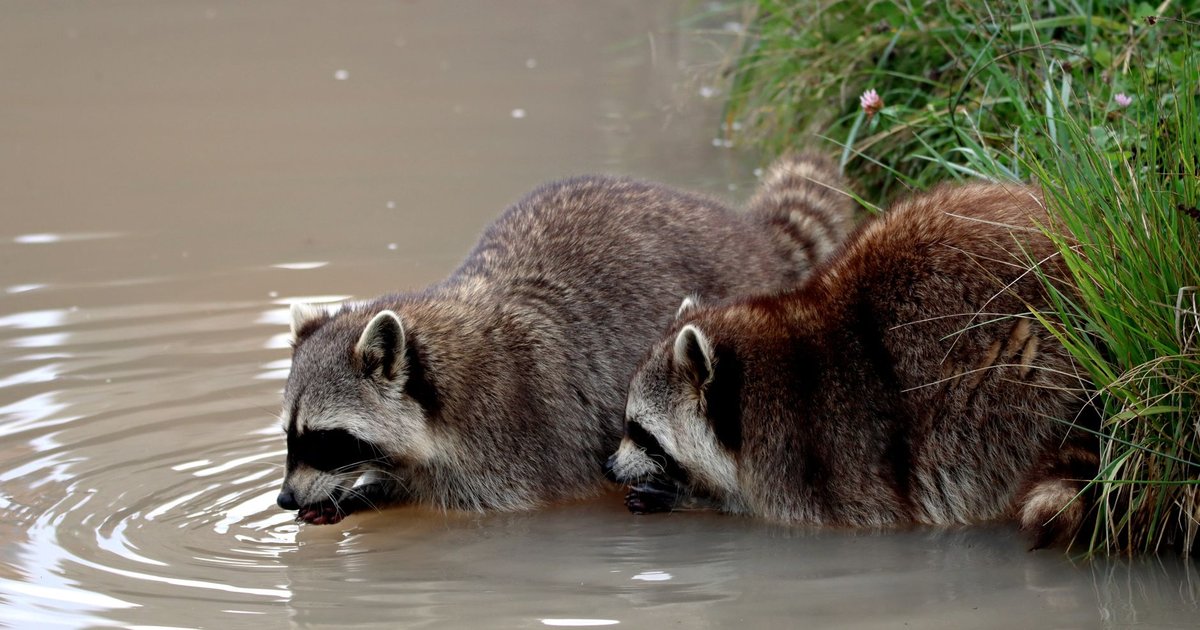
Watch a raccoon at a stream and you'll see the payoff. It doesn't look — it feels. The animal submerges its paws and runs them across rocks, mud, crayfish shells with the intensity of someone reading braille at high speed. It can distinguish between objects without ever lifting them out of the water. A crayfish hiding under a rock, a mussel, a piece of food wrapped in something unfamiliar — the paws know before the eyes do.
The reason is neurology. The raccoon's brain devotes proportionally more cortex to processing touch from its front paws than a human brain devotes to processing touch from both hands combined. It's as if a raccoon experiences its paws the way you might experience your face — hyper-aware, constantly monitoring, full of meaningful sensation.
This matters because raccoons are opportunists without much of a playbook. They live in cities and forests, eat garbage and crayfish and bird eggs and anything else. They can't rely on instinct the way a beaver builds dams or a squirrel knows how to crack a nut. Instead, they rely on this tactile genius to evaluate their environment in real time. A raccoon doesn't remember that trash cans contain food — it discovers what's inside by feel, by trial, by touching.
It's why they seem so clever. They're not smarter in the way a crow is smarter. They're smarter with their hands, which means they're always learning, always probing, always one paw ahead of whatever problem the night throws at them.
More from Nature & Animals