Nature & Animals
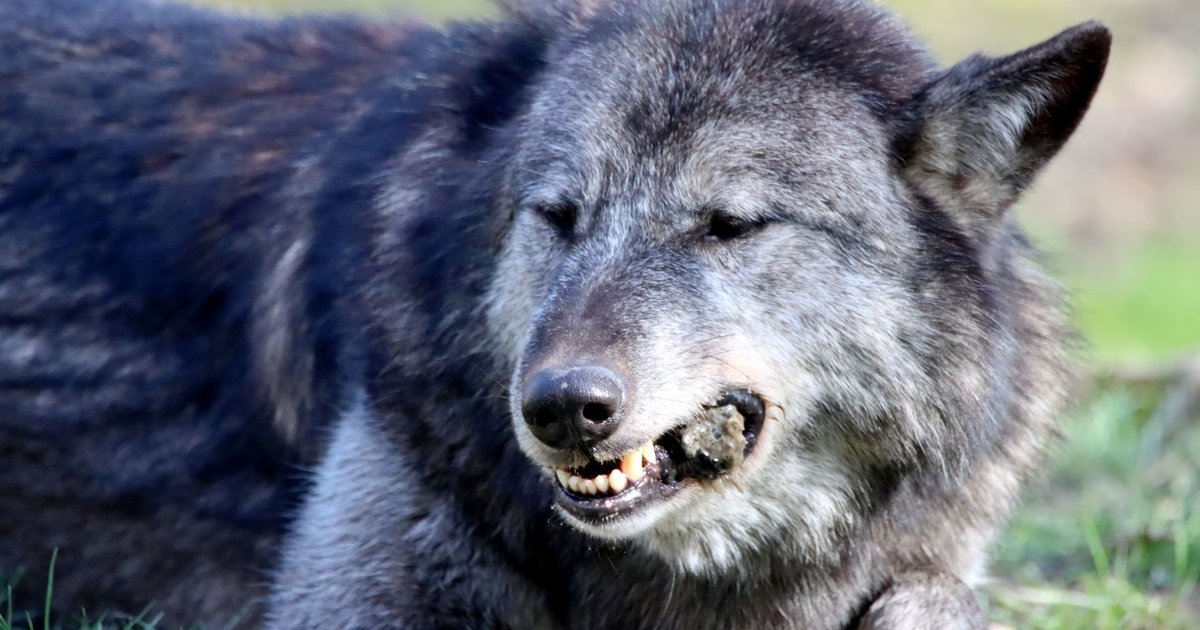
What a Wolf's Bite Can Actually Do
A wolf can bite down with 400 pounds of force per square inch. A large dog manages around 235. That gap matters when you're pulling apart a moose.
Wolves don't have the strongest bite in the animal kingdom—that belongs to the saltwater crocodile, which clamps at roughly 3,700 PSI. But among land predators that hunt large prey, the wolf's jaw is engineered for one specific job: shearing through hide, tendon, and bone that would take a human weeks to process with tools.
The force comes from jaw muscles, yes, but also from the geometry of the skull itself. A wolf's bite point sits farther back in the mouth than a dog's, which shifts the mechanical advantage forward. The teeth themselves are sharper, more tightly spaced. And the canines—the killing teeth—are positioned to slide between vertebrae with minimal resistance.
Hunt a prey animal that weighs 600 pounds and you can't afford an inefficient bite. A wolf pack takes down a moose through coordination and stamina, but the actual killing strike demands precision and raw pressure. Miss the spine or major vessels and the moose escapes, wasting days of pursuit for nothing.
That 400-PSI figure isn't academic trivia. It's the difference between a predator that can sustain itself in the northern boreal forest and one that starves. A wolf with a weaker bite would need to hunt smaller prey—and smaller prey are harder to find in winter, when everything is scarce.
So when you see a wolf skull in a museum, the jaw isn't just bone. It's the distilled result of a thousand generations selecting for one ruthless capability: the ability to end a fight before the fight ends you.
More from Nature & Animals