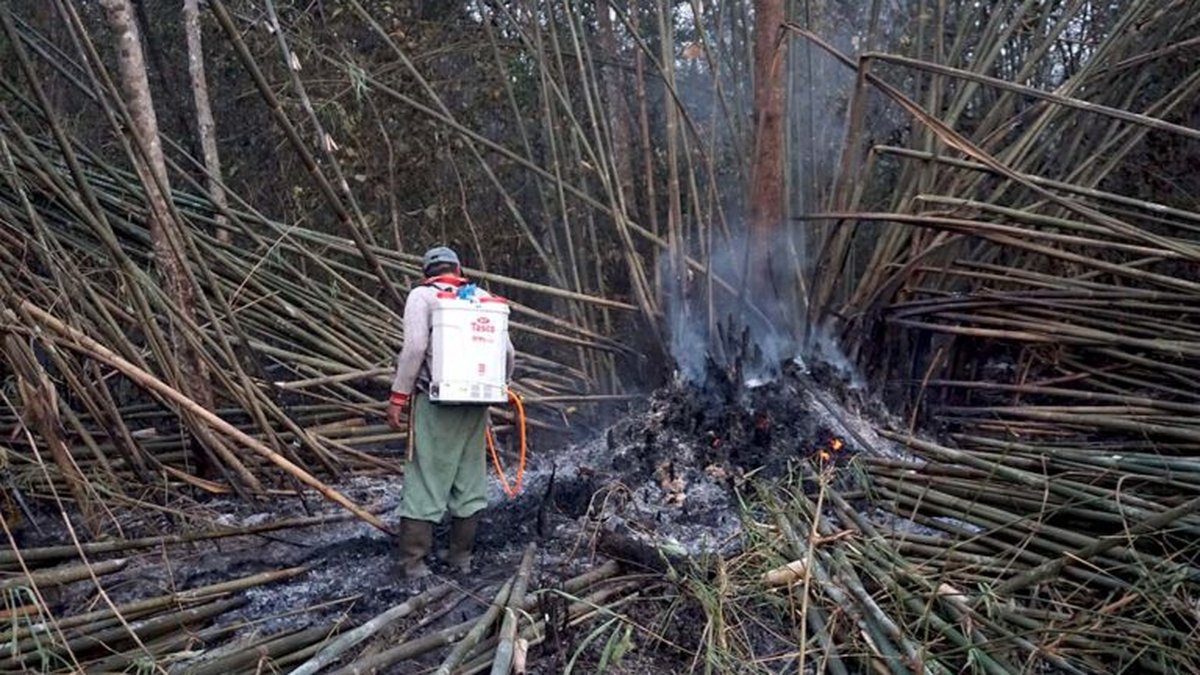
INDONESIA BURNING: Rubber Growers Battle Wildfires with Traditional Tactics...
Nature & Animals
How Strong Is a Jaguar's Bite? Strong Enough to Pierce Skulls
A jaguar can bite down with 1,500 pounds of force per square inch. That's roughly double what a lion manages, and it exists for one reason: to pierce what can't be torn.
Unlike other big cats that kill by suffocation—clamping down on the throat until prey stops breathing—jaguars evolved a different strategy. They hunt in rainforests thick with armor-plated prey. Caimans. Giant armadillos. Capybaras with dense skulls. A jaguar doesn't bother with the throat. It goes straight for the back of the head or the spine, biting down hard enough to crack bone in a single bite.
That bite force lives in the jaw muscles and the shape of the skull itself. A jaguar's bite point is positioned further back in the mouth than a lion's, creating a mechanical advantage—like a nutcracker with the handle longer than the jaw. The teeth slot into gaps in that leverage zone.
There's a price. That power-focused jaw design makes jaguars worse at the tug-of-war part of hunting. They can't shake prey the way a tiger can. But they don't need to. By the time a jaguar bites, the fight is already over.
Water tests confirm it. Researchers measured bite force on force plates, and jaguars consistently exceeded 1,500 PSI—higher than any other cat measured the same way. A saltwater crocodile, which kills for a living in the same wetlands, reaches about 3,700 PSI. But a crocodile weighs three times as much. Pound for pound, adjusted for body size, the jaguar's bite is one of the most efficient killing tools in the mammal world.
A skull isn't much of a defense against that kind of precision.
More from Nature & Animals
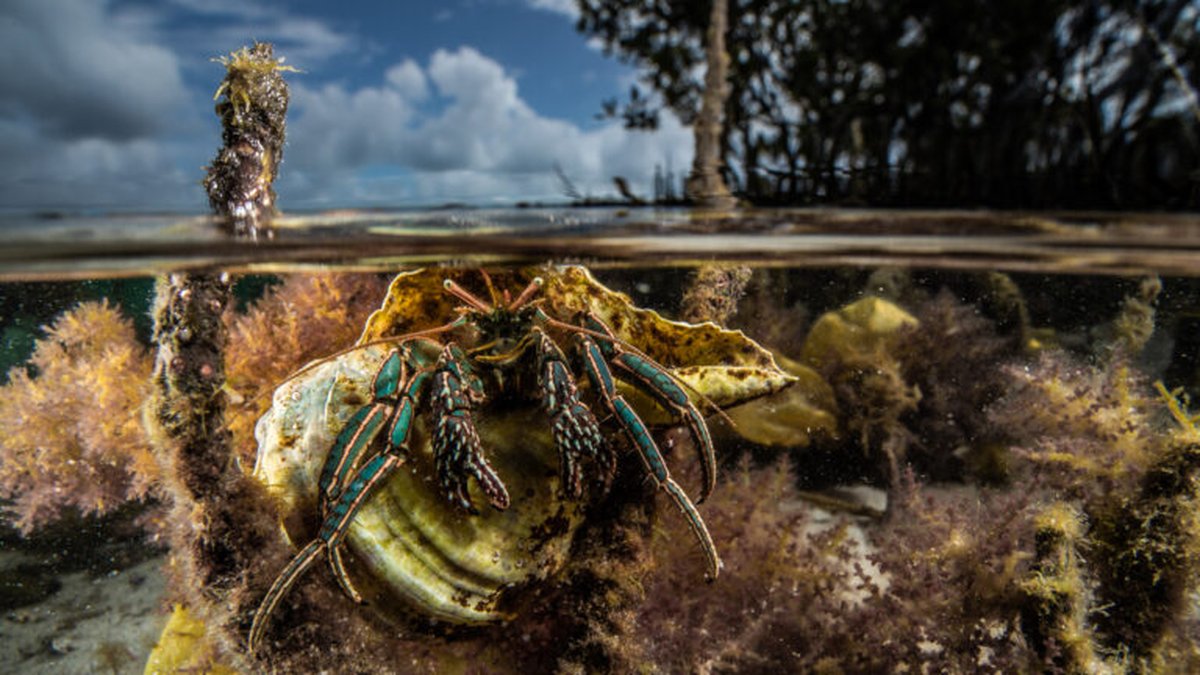
MANGROVES SHIELD: Scientists Unlock Secret to Predicting Storm Protection...

CLIMATE AMPLIFICATION: Arctic Emissions Could Worsen Global Warming by 30%, Study Warns...

CORAL RESCUE: Probiotics Protect Reef from Red Sea Heat Wave Damage...
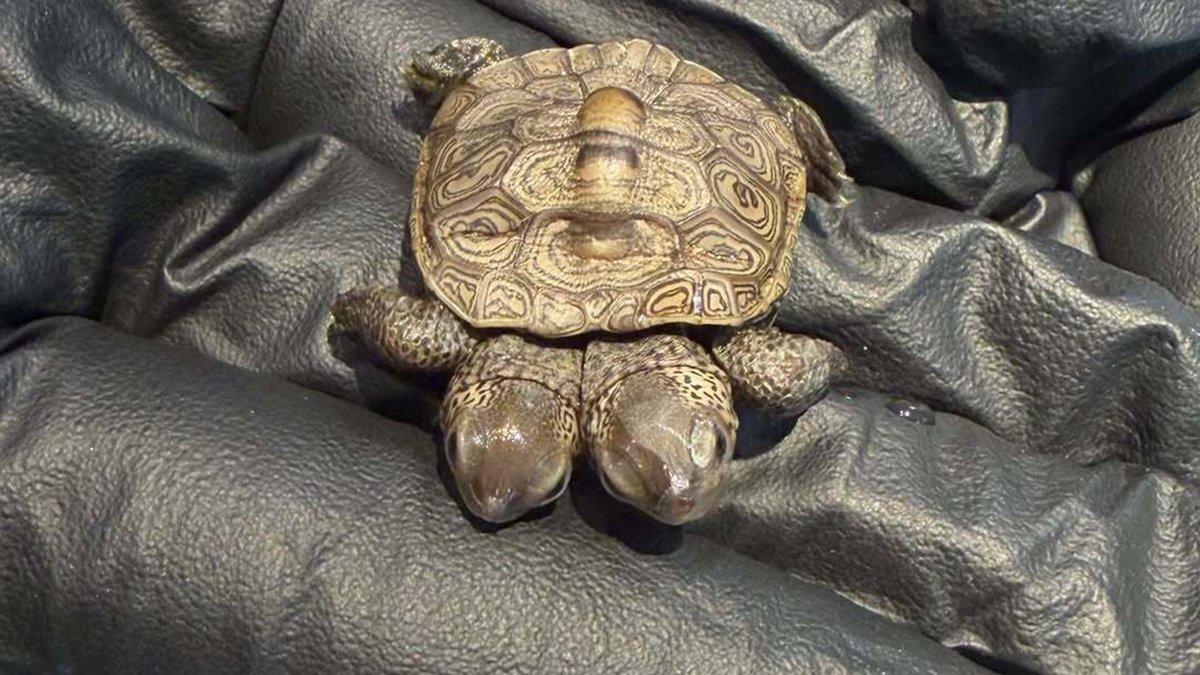
ODDITY: Two-Headed Turtle Hatchling Found on Cape Cod; Third in Five Years...
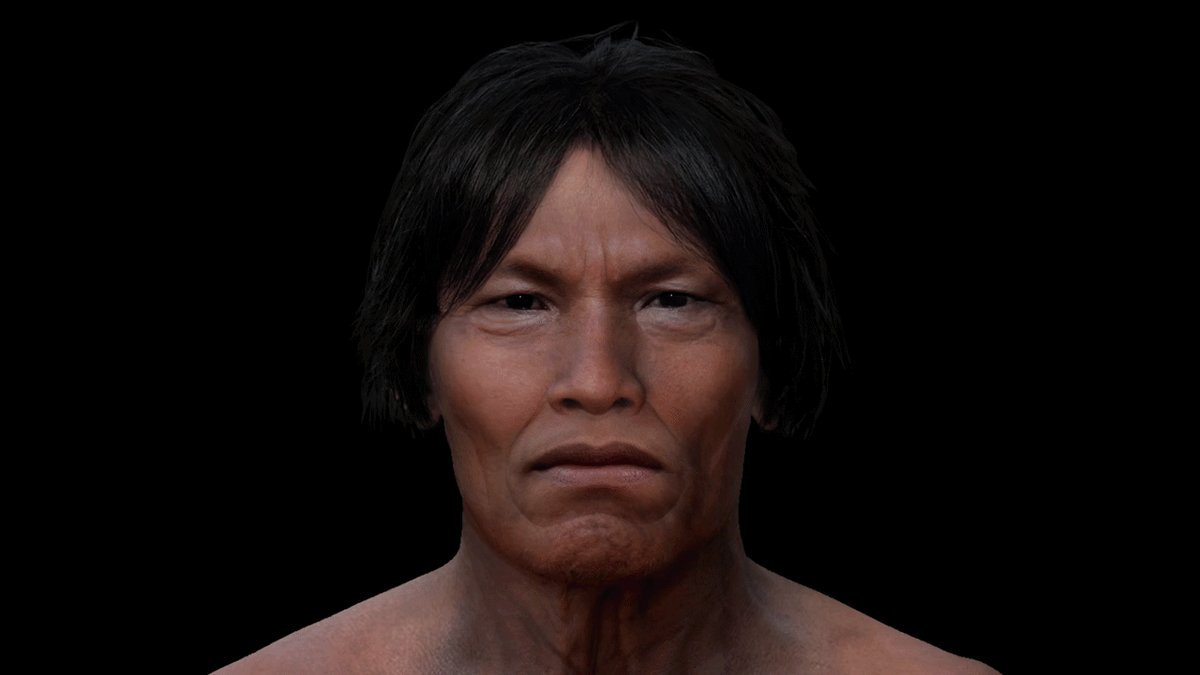
ANCIENT FACE: 3,000-Year-Old Ecuadorian Man's Facial Reconstruction Shared with Descendants...

ATACAMA BLOOMS: Colorful Wildflowers Paint Desert After 'Super' El Niño...
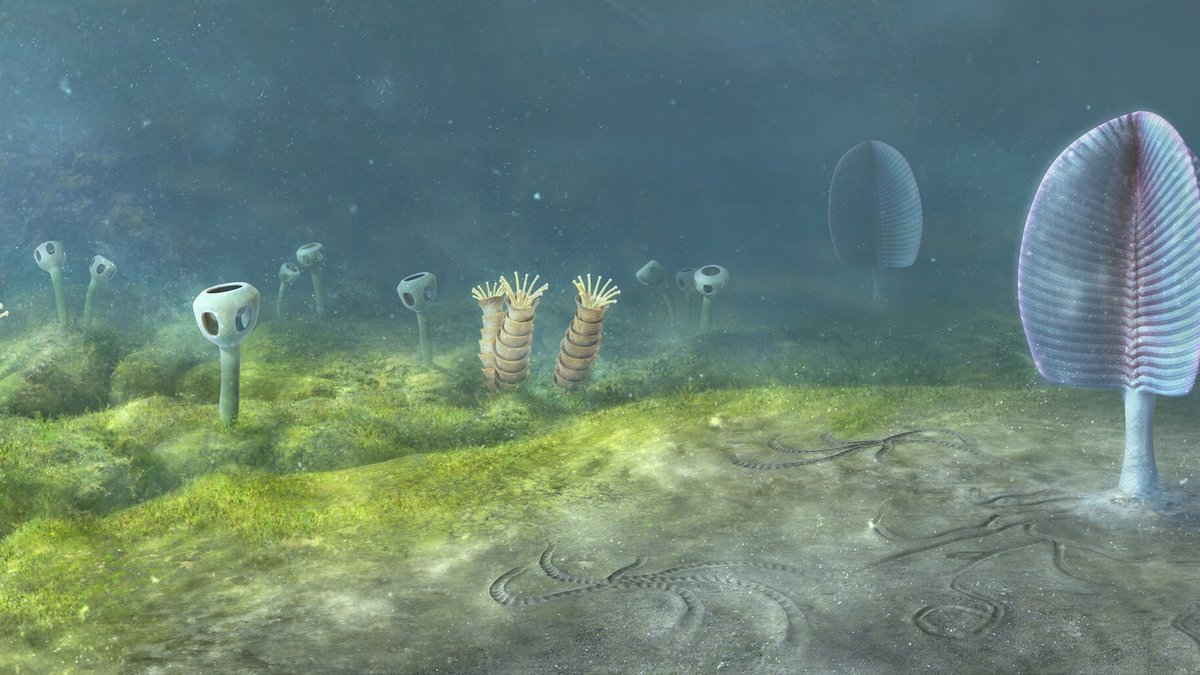
ANIMAL ORIGINS: Study Suggests Complex Life Emerged 200M Years Earlier Than Thought...

California Sues to Block Trump From Weakening Fuel Economy Rules

States Sue Over Trump’s Repeal of Climate Rules for Power Plants