Nature & Animals
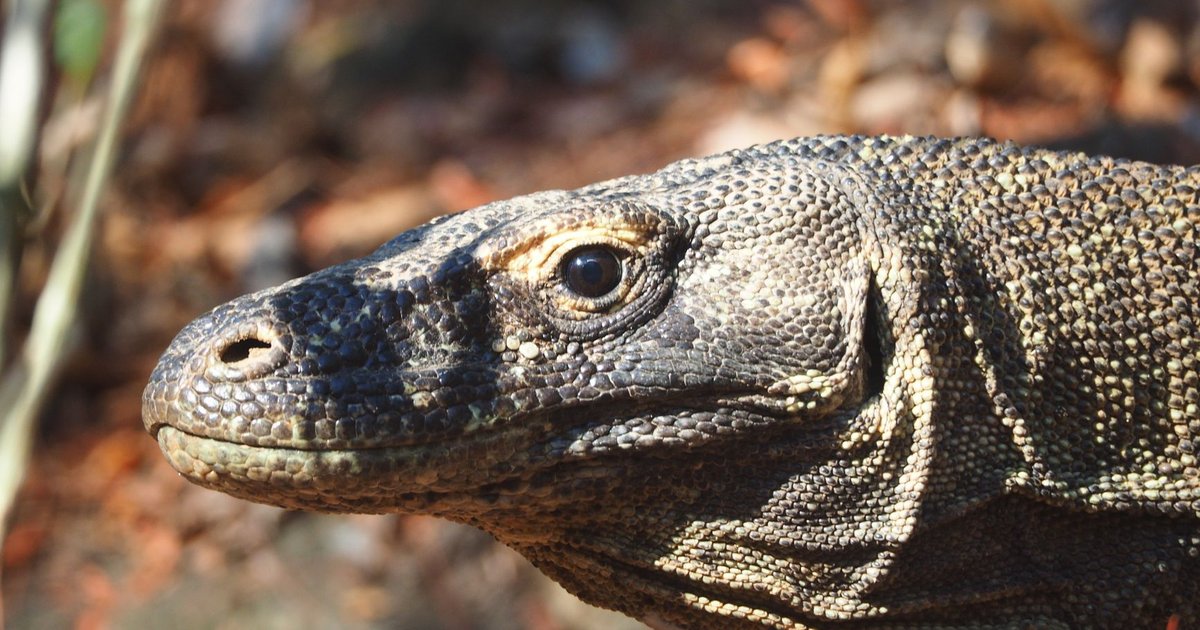
The Komodo Dragon's Venom Surprise
A Komodo dragon's bite delivers venom. For decades, herpetologists assumed the massive lizard simply relied on crushing force and bacteria in its saliva—the hunting strategy of a reptilian tank. Wrong. In 2009, researchers discovered what zookeepers had watched happen for years: venom glands in the lower jaw that drop blood pressure and cause shock in prey. No fangs needed. Just grooves in the teeth and two small glands tucked in the mandible, firing toxins into the wound.
The realization was humbling. Komodo dragons can weigh over 300 pounds and reach ten feet long—pure muscle and mouth. They don't seem like they need chemical weaponry. But venom changes everything about how the hunt works. A wild boar or a fellow dragon gets bitten, the venom floods in, and within minutes the prey goes wobbly. By the time the Komodo dragon gives chase, the target is already half-beaten. It's an ambush drug delivery system disguised as a brute-force predator.
They're not the only venomous lizards—the Gila monster and beaded lizard of the Americas are too. But Komodo dragons are massive in a way the others aren't, and their venom was hidden from science longer than anyone expected. Researchers had focused on the obvious: teeth, claws, muscle mass. The venom worked in the background, uncredited, turning the island's apex predator into something more precise than raw strength alone.
Today, every Komodo dragon bite study loops back to that 2009 discovery—a reminder that even animals we've watched for centuries can still keep secrets in their own biology.
More from Nature & Animals