Nature & Animals
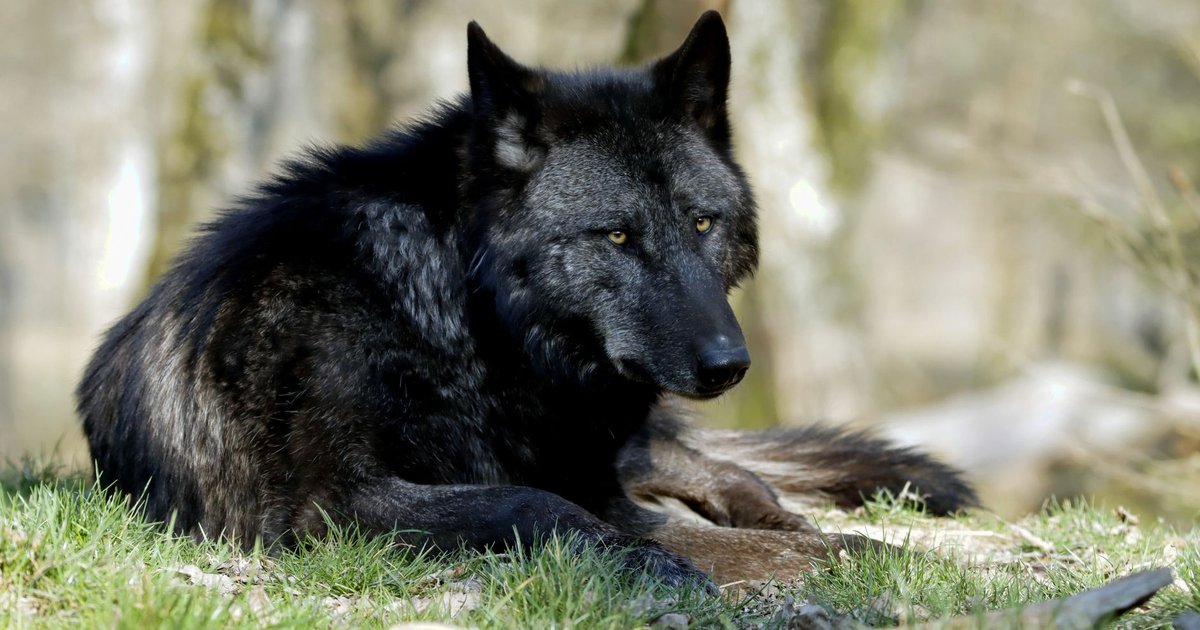
When Washington Offered Bounties for Wolf Pelts
An April 1892 edition of the Fairhaven Herald, a small newspaper in Washington Territory, ran a bounty notice. Wolves: fifty dollars a pelt. That was real money—a laborer earned about a dollar a day. The ad was matter-of-fact, almost casual about it, the way you'd post a help-wanted notice.
Bounties like this one were systematic erasure dressed up as economic opportunity. Settlers moving into timber country saw wolves as threats to livestock, and territories—desperate to encourage settlement—paid for proof of dead wolves. The pelts came in. The wolves didn't.
Washington's bounty program ran for decades. By 1930, gray wolves were functionally extinct west of the Rocky Mountains. A few stragglers survived in remote Canadian border country, but the Cascade Range, the Blue Mountains, the entire Cascade-Siskiyou region—empty. Gone. The speed was remarkable: less than fifty years from systematic hunting to ecological absence.
What the 1892 bounty-hunter wouldn't have predicted: a century later, wolves would start filtering back. In 1995, the first gray wolves in seventy years were released in Yellowstone. Oregon and Washington didn't see natural wolf recovery until the 2000s, decades after federal protection arrived. The animals that returned came from Idaho and Montana populations—places where enough wolves survived the bounty era to rebuild.
The Fairhaven Herald's bounty notice is a small historical artifact. But it's also a ledger entry in one of the continent's quietest extinctions. Wolves didn't vanish because they were weak or slow or poorly adapted. They vanished because a price was put on their heads, and people collected it. That's the part worth remembering now that they're slowly, tentatively, coming home.
More from Nature & Animals