KANGAROO CULL: Record Kill as Australia Grapples With Symbol Gone Wild...
Nature & Animals
How Fast Can a Peregrine Falcon Dive? Faster Than a Formula 1 Car
A peregrine falcon hits 240 miles per hour in a dive. Not a sprint—a vertical plunge at prey. That's faster than a Formula 1 racecar at full throttle, faster than any creature that swims or runs or flies under its own power.
The physics of the stoop (that's what ornithologists call it) starts with shape. A peregrine's body tapers like a bullet, wings folded tight against its sides, nothing wasted. Air resistance crushes most animals into inefficiency at that speed; a falcon's skeleton and musculature are built to compress and endure it. Every bone is dense. The syrinx—the avian equivalent of a voice box—sits in the throat where it won't rattle loose.
There's also the dive angle. A straight vertical drop pulls more gravitational force than a shallow angle, which is why a peregrine aims nearly perpendicular to the ground. Once it locks onto a target—usually a smaller bird mid-flight—it commits. The acceleration happens in seconds. A few wingbeats, then gravity and aerodynamics take over.
At impact, the falcon's momentum would shatter most spines. The prey is a pigeon or a shorebird traveling at maybe 40 mph—helpless against this calculus. The falcon doesn't always catch it cleanly; sometimes it's a glancing blow, talons opening at the last instant, momentum doing most of the work.
That 240 mph figure comes from controlled measurements, not guesswork—research that involved radar guns and high-speed cameras. It's held for decades. No bird touches it. No land animal comes close. A peregrine doesn't need armor or venom or raw strength. It needed only geometry and gravity, refined over millions of years into something that turns the sky into a weapon.
More from Nature & Animals


PENGUIN DEATHS: Yellow-Eyed Birds Vanishing, Tangled in Fishing Nets...
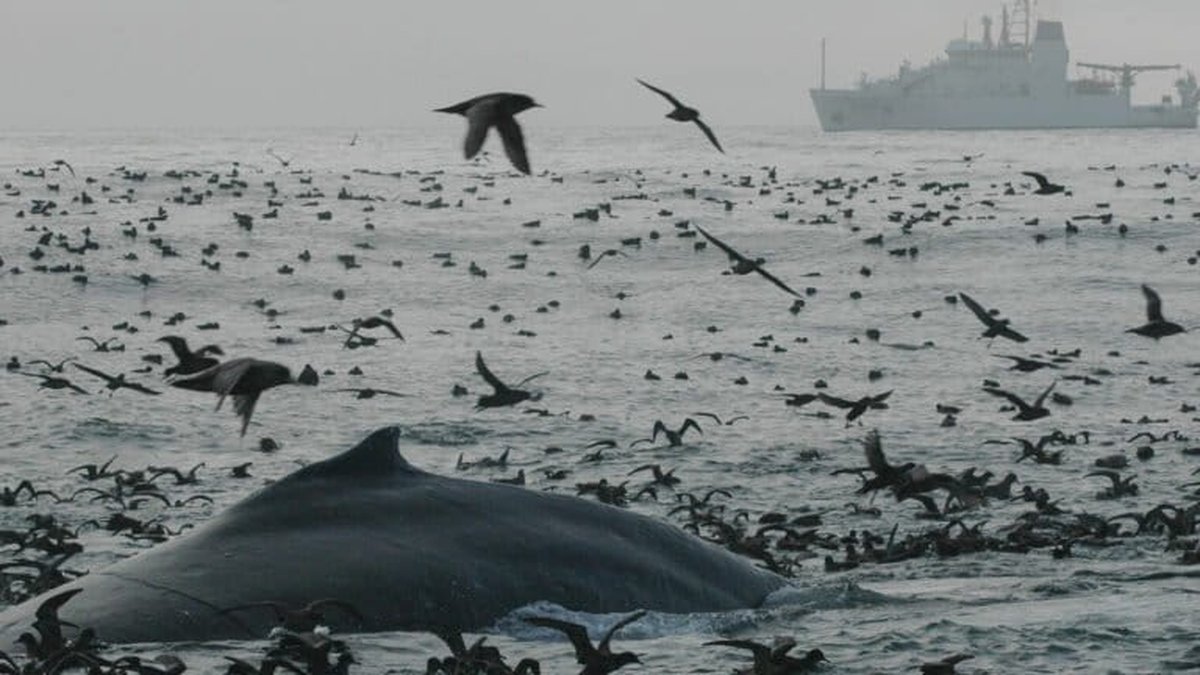
OCEAN HEAT MAPS: 40 Years Reveal Acidification Extremes, From 'The Blob' to Collapse...

FROZEN ZOO: Scientists Store Animal DNA, Resurrect Extinct Species With New Births...
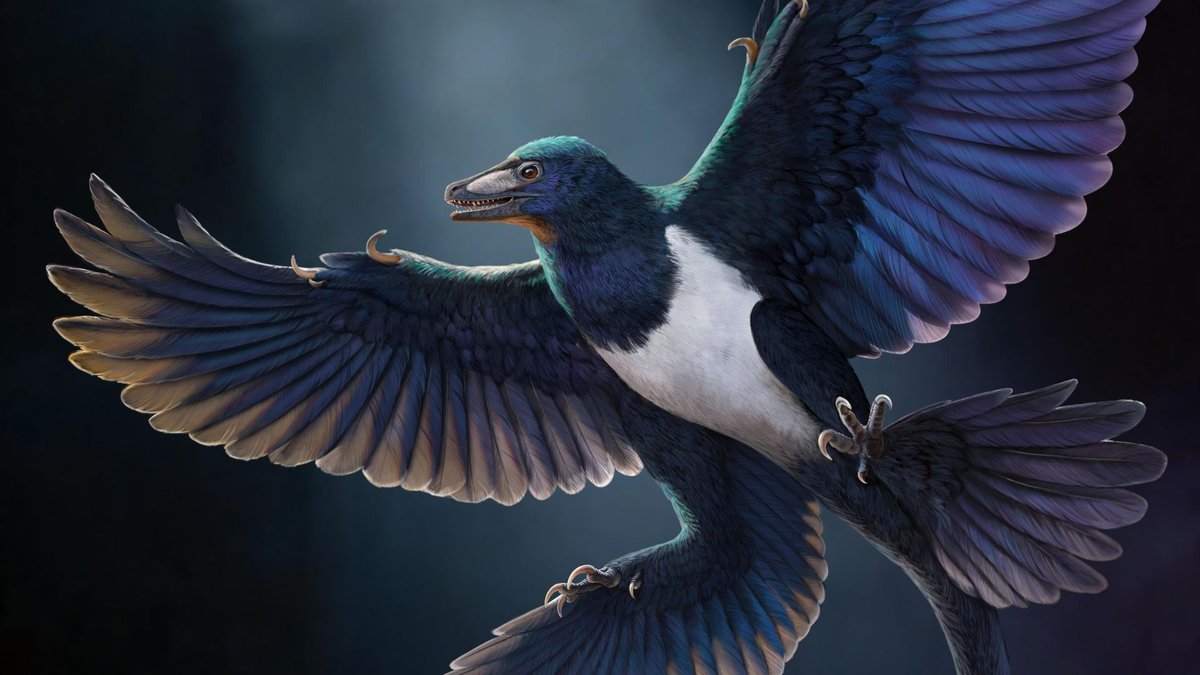
Remarkably preserved feathered dinosaur discovered in China reveals new secrets of flying predator evolution

Africa's oldest known defensive wall outside Egypt discovered, and it's 4,000 years old
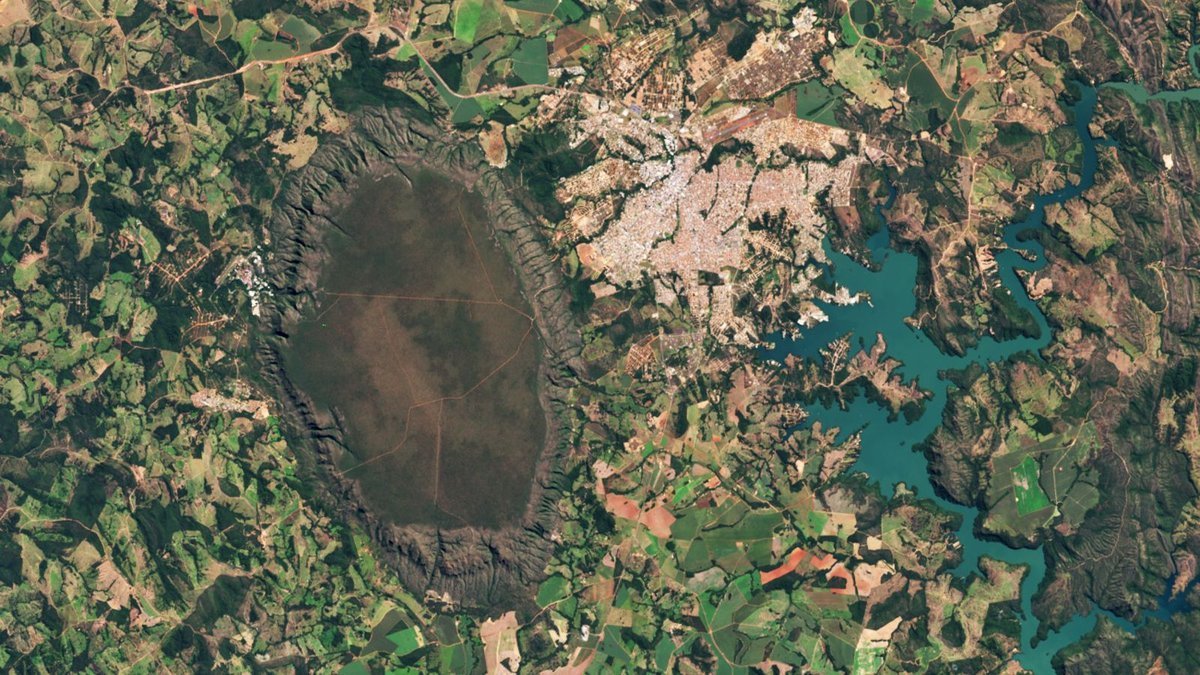
Towering 'sponge' dome in Brazil is the secret source of nearby hot springs

Newly discovered iron minerals might hold primordial water from when Earth formed