Nature & Animals
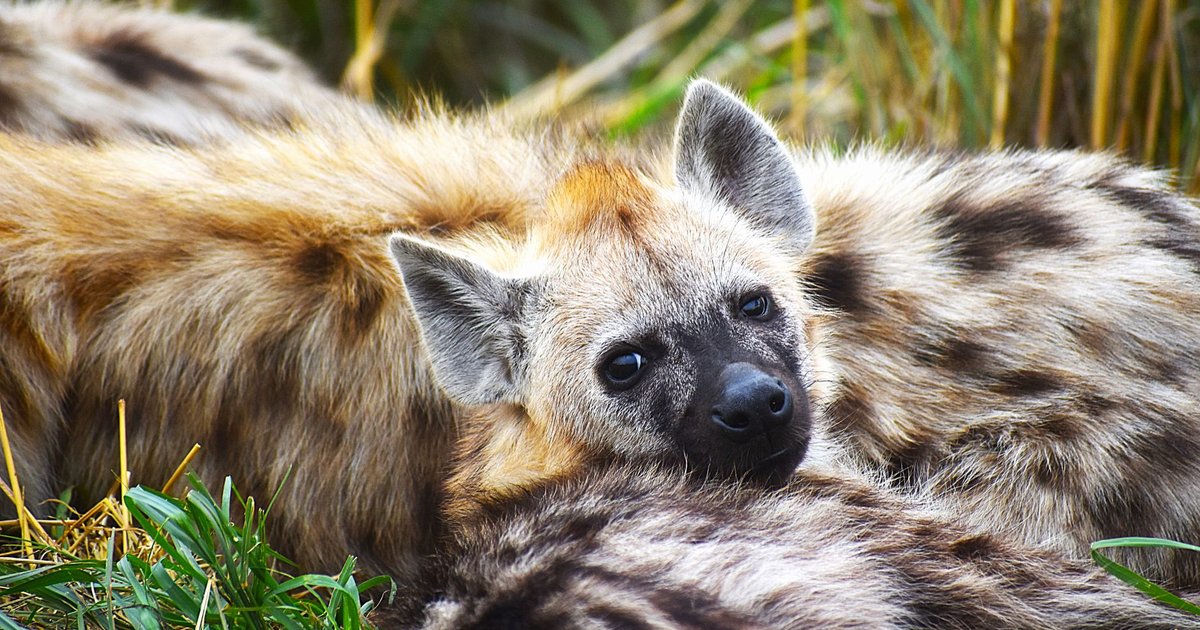
What a 1902 Newspaper Got Wrong About Hyenas
The New York Tribune ran a piece on hyenas in September 1902 that reads like pure fiction now—which is the point. Back then, hyenas were basically Africa's cartoon villains, and nobody had bothered to watch one closely enough to correct the record.
Victorian naturalists had them pegged as cowardly scavengers, too weak to hunt, too dim to do anything but lurk at lion kills and beg for scraps. Pathetic. Contemptible. That's what the papers said, and readers believed it because there was no National Geographic, no wildlife camera trap, no way to fact-check what happened three thousand miles away.
Here's what was actually true: a hyena's bite force tops 1,100 pounds per square inch—stronger than a lion's. They don't scavenge because they're weak; they scavenge because they can crush bones no other predator can break open, extracting marrow no one else reaches. They hunt in coordinated packs and kill their own prey more often than they steal it. They're matriarchal, social, intelligent enough that a cub learns hunting strategy by watching adults.
But none of that fit the narrative Victorian hunters wanted to tell. Hyenas were supposed to be the cowardly, laughing refuse of Africa—a convenient symbol of nature's losers, which somehow justified treating Africa itself as a place to conquer without respect.
What's bracing about reading that 1902 Tribune page now isn't just that it's wrong. It's that the wrongness was so confident, so complete, so perfectly aligned with what people wanted to believe that almost no one questioned it. We're better at checking facts now. We should stay suspicious of what sounds simply true.
More from Nature & Animals