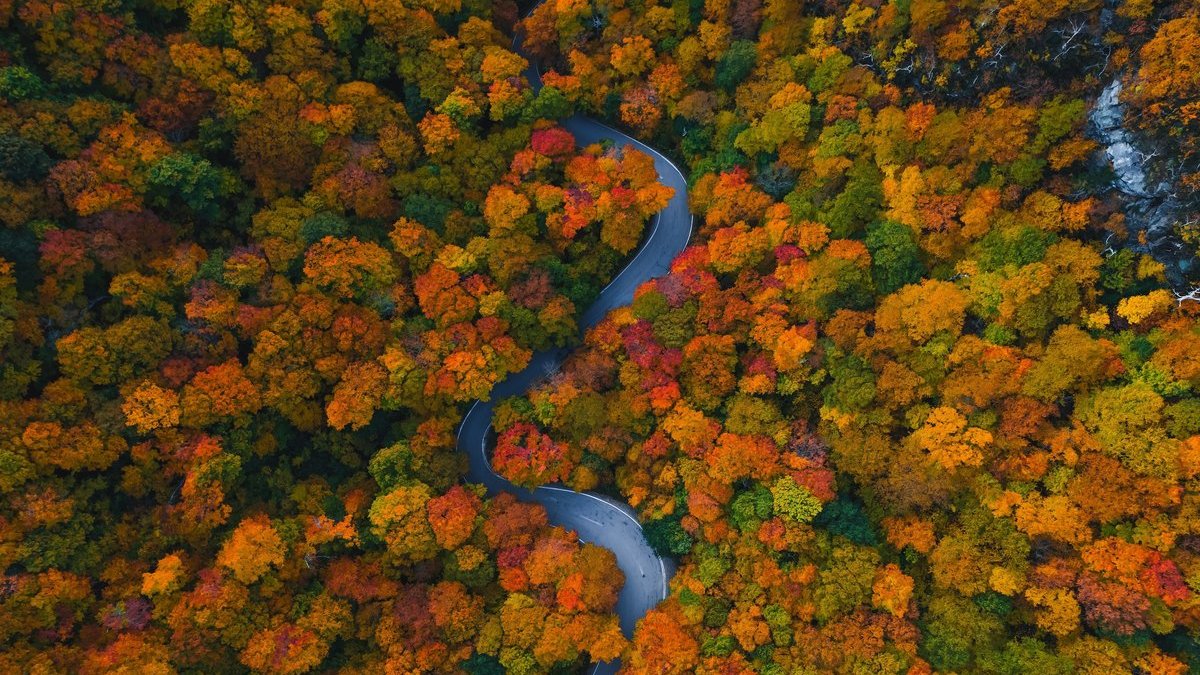
FALL FOLIAGE: Super El Niño to Reshape Leaf-Peeping Season...
Nature & Animals
How Fast Can a Shark Swim? Faster Than You'd Escape
A shortfin mako shark hits 45 miles per hour. That's faster than a car on a residential street, faster than an Olympic sprinter, faster than anyone in an ocean could possibly outswim.
Not all sharks move at that clip. A great white cruises around 25 mph but can burst to 35 mph in ambush. A tiger shark maxes out around 20 mph. But the mako doesn't just lead the pack—it laps them. Speed is its whole economy: it hunts tuna and mackerel that demand reflexes most predators can't match, and it does this in cold, open ocean where size alone won't close the deal.
That 45 mph isn't theoretical. It comes from tracking tagged makos and measuring their muscle fiber composition, which is denser and more built for explosive power than in other species. Their tail is crescent-shaped, a hydrodynamic marvel that anchors every bit of acceleration. Watch the biomechanics alone and you see something that stopped evolving decades ago because it already solved the problem perfectly.
The catch: that top speed is a sprint, not a cruise. A mako can't sustain 45 mph for hours. It reserves that burst for the kill—the moment a tuna bolts and the mako decides the energy cost is worth it. For the rest of the hunt, it's patient, conserving fuel, waiting for the angle that turns a fast fish into a meal.
Other sharks compensate differently. A whale shark, the largest fish on Earth, moves at 3 mph and doesn't care—it eats plankton it simply strains from the water while drifting. A lemon shark in shallow bay waters stays under 15 mph most of the time. Speed is tactical. It's only desperate when your prey can outrun your size, and when you're a mako, desperate is 45 miles per hour.
More from Nature & Animals
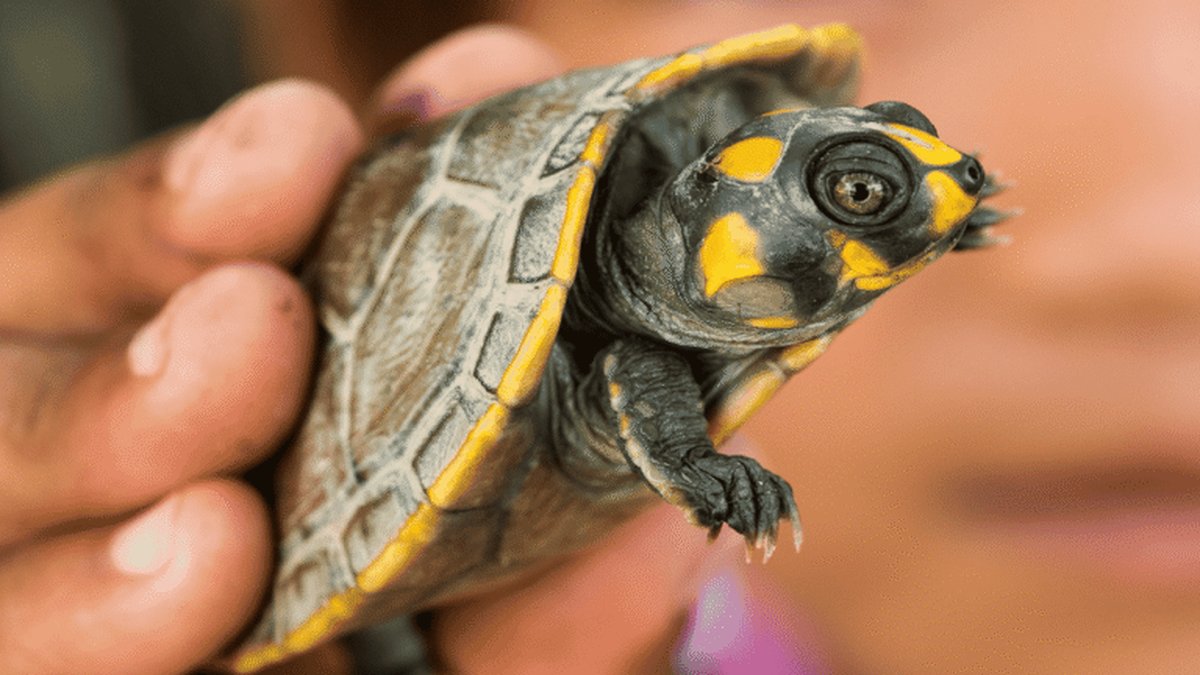
AMAZON TRADE: Rare Fish and Turtles Sell for Pennies, Fetch Fortunes...

TAPEWORM THERAPY: Modified Medicine Could Treat Endometriosis...

EBOLA SPREAD: Kenya Confirms Second Case, Relative of First Victim...
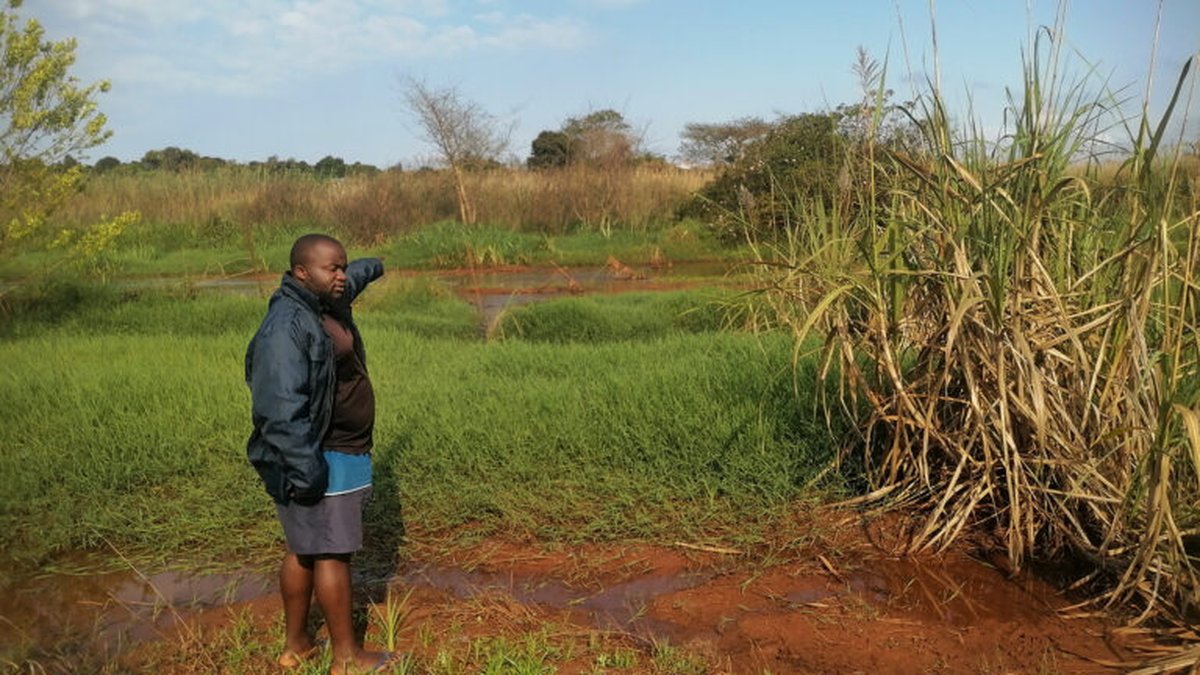
SOUTH AFRICA FLOODS: Limpopo Residents Hold Breath Amid Repeat Fears...

ELECTROMAGNETIC PULSE: Decade of Fear About Nuke That Fries Power Grid...

ICE AGE SURVIVORS: Ancient New Mexico People Lived Through Extreme Climate...
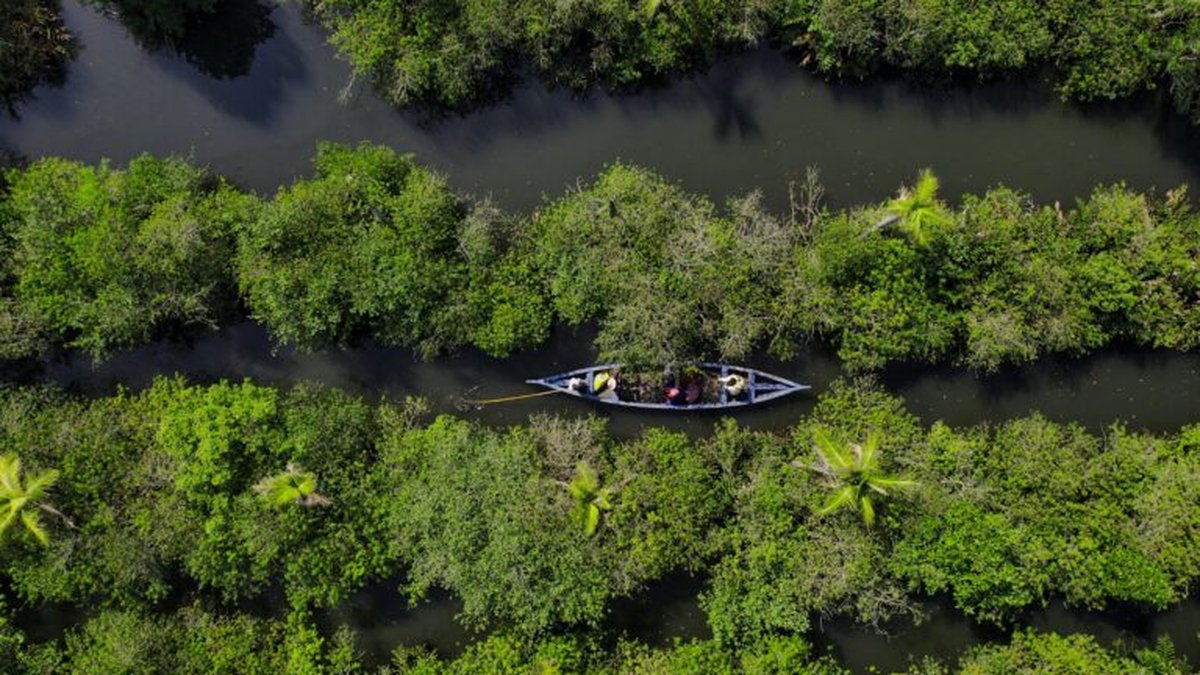
MANGROVE REBOUND: Coastal Forests Recover After Decades of Loss...

CLIMATE HACKING: Israeli Private Eye Linked to Environmentalist Breach...

AI DANGER FORMULA: Physicists Claim They Can Predict When AI Turns Rogue...
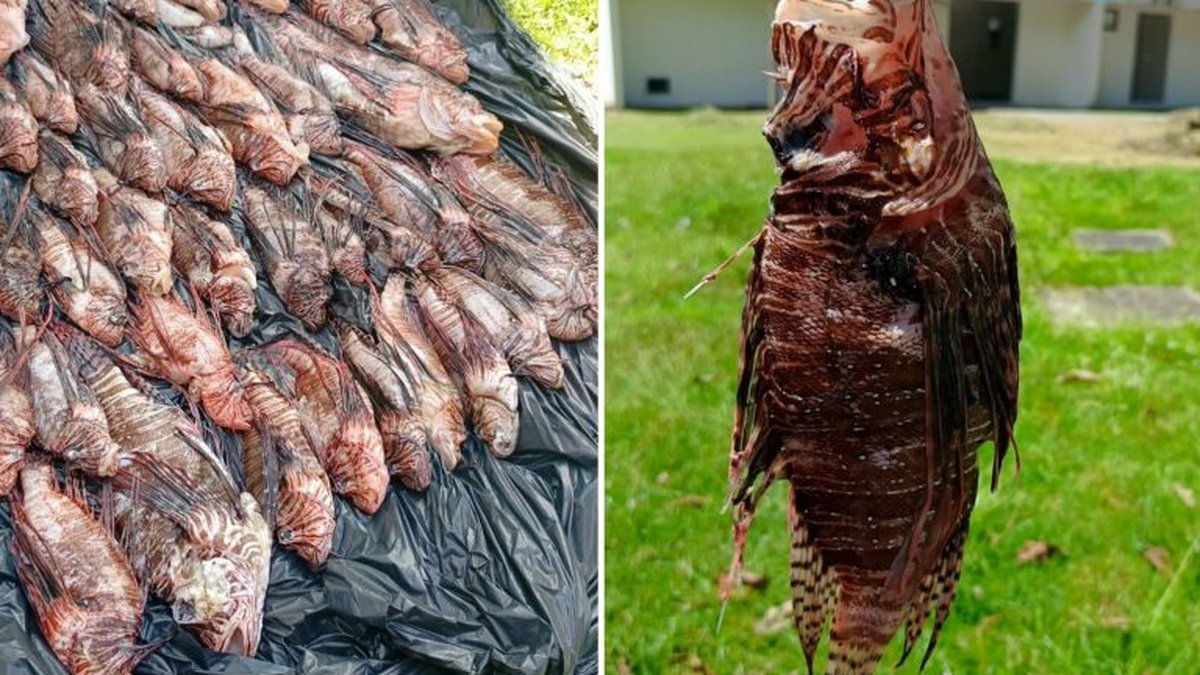
LIONFISH INVASION: Brazil's Largest Reefs Under Attack, Fishers Strike Back...

FISH MEAL CRISIS: Demand for Feed Prioritized Over Feeding People...