ORANGUTAN CRISIS: El Niño Fires Threaten Borneo's Rarest Apes...
Nature & Animals
How Fast Can a Kangaroo Run? 35 Miles Per Hour
A kangaroo hits 35 miles per hour in a sprint. That's faster than a greyhound, faster than most cars in a residential zone, fast enough that a human wouldn't stand a chance outrunning one across open ground.
The mechanics are strange. Watch a kangaroo move and you're watching something that shouldn't work—a body balanced on two enormous hind legs, propelled by muscles that look like they belong on a different animal entirely. Each bound covers 25 feet. The tail, thick and muscular, acts as a counterbalance and a third leg when the animal slows down or stands still, essentially turning the kangaroo into a living tripod.
That speed matters. In the Australian outback, where kangaroos live, predators are fast but not faster. A dingo tops out around 30 mph. An eagle diving from above is quicker, but only for those first few seconds. By the time a kangaroo realizes danger and launches into full sprint, the gap widens fast.
The real oddity: they're not built for sustained running. Get a kangaroo up to 35 and it can't hold it long. Instead, they pace themselves differently than most animals. A kangaroo moving at 15 mph uses less energy than one moving at 5 mph—their bodies are tuned for bouncing, not walking. It's like they're sprinters by design, built to explode and evade, then settle into an efficient lope that eats distance without exhaustion.
That's the whole advantage. In a territory where being slow means being dinner, kangaroos didn't evolve to be strong or fast in the way a cheetah is. They evolved to be *explosively* fast exactly when it matters—and nowhere else on Earth does an animal move quite like this.
More from Nature & Animals


BIRD MASSACRE: Hunters Kill Hundreds of Storm-Trapped Migratory Birds in Malta...
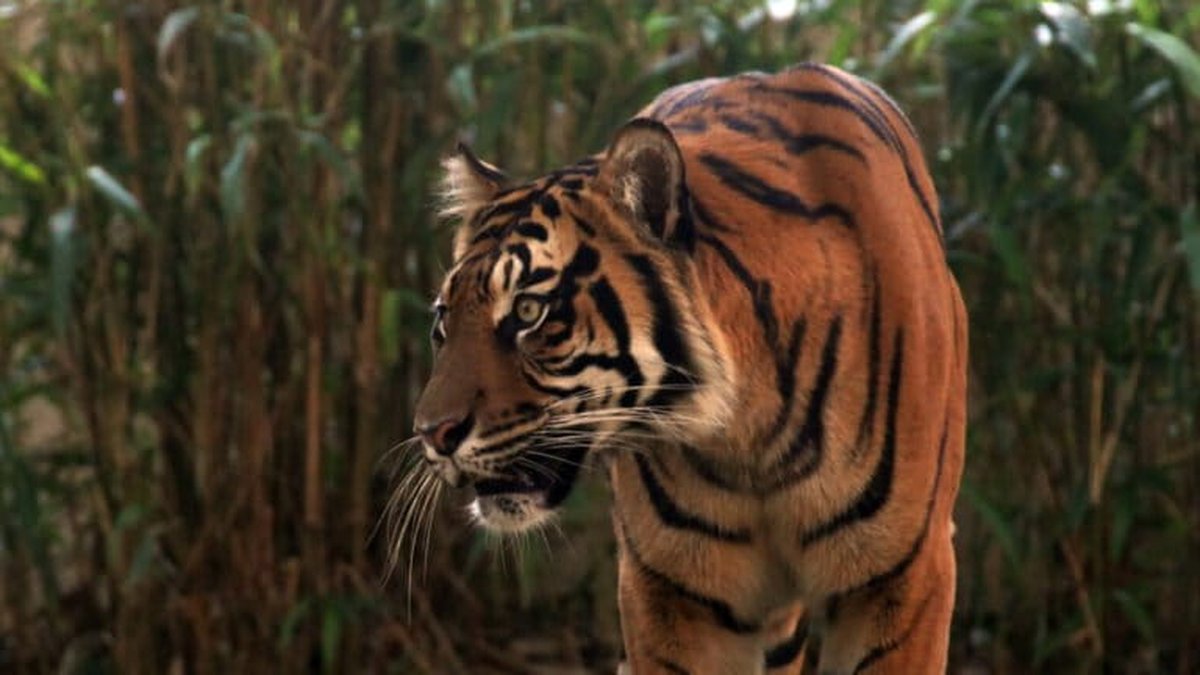
TIGER TRAFFICKING: Southeast Asia's Weak Penalties Drive Black Market...

THAILAND FLOODS: Death Toll Hits 31 as More Rain Batters Nation...

SMILE SATELLITE: Spacecraft Reveals Earth's Ghostly Aurora-Ringed North Pole...

CLIMATE BATTLE: Supreme Court Eyes Billions in Oil Industry Liability...

ANIMAL EMOTIONS: Do Creatures Feel Schadenfreude Like Humans...
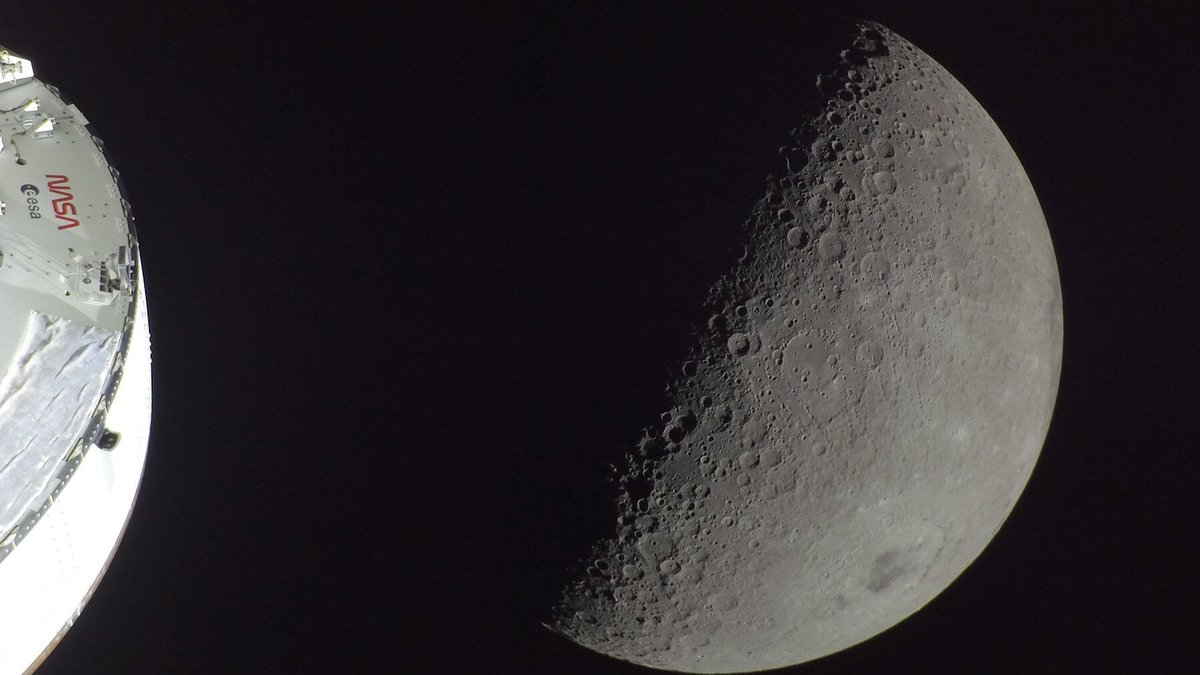
MOON RUSH: Billionaires, Superpowers Defy 1960s 'No Ownership' Treaty...
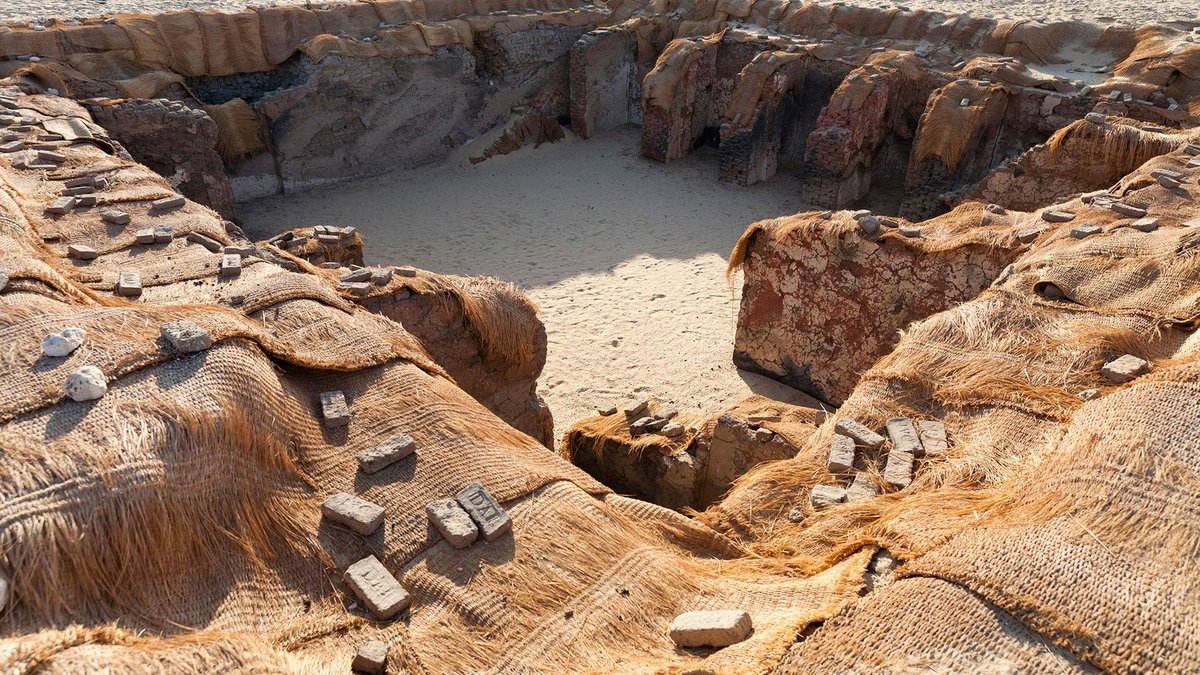
Ancient Egyptians sacrificed pharaohs' servants so they could continue to serve their king in the afterlife, new study finds

1,800-year-old temple to Mars and statue of Victory unearthed at Roman military fort in Germany

United Arab Emirates to launch spacecraft to probe seven asteroids in 2028