Nature & Animals
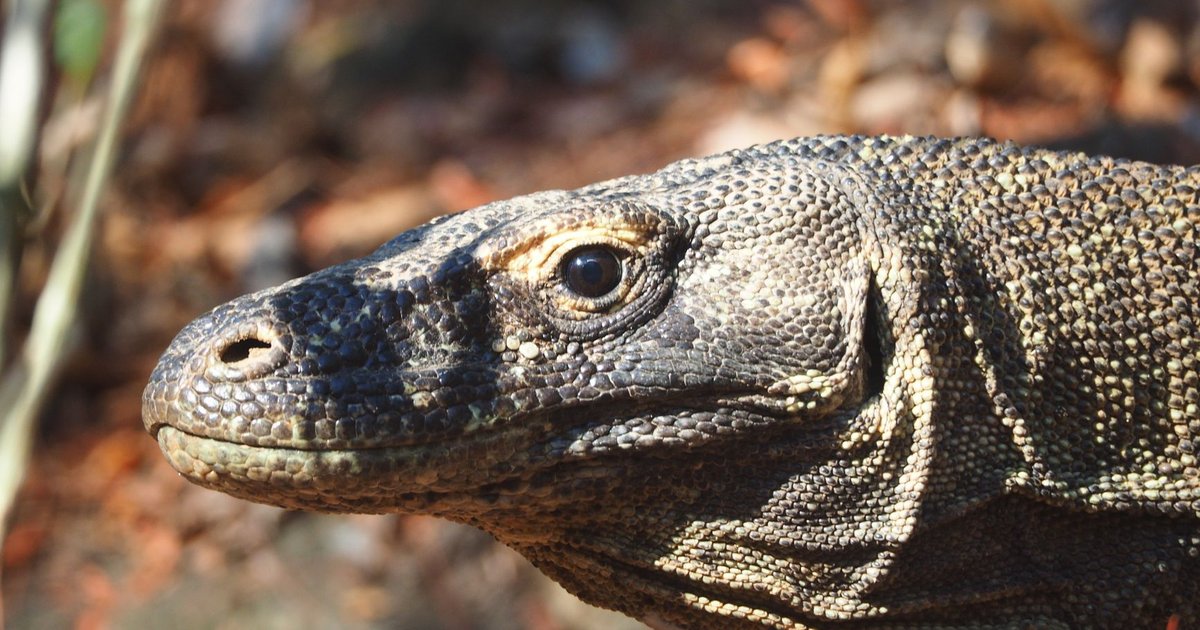
The Komodo Dragon's Venom Changes Everything We Thought
For decades, zoos and field researchers watched Komodo dragons take down water buffalo five times their weight and assumed it was pure mechanical brutality: teeth, claws, thrashing. Bite and bleed out. That story held until 2009, when Australian researchers examined the glands lining a dragon's lower jaw and found something unexpected: venom.
Not a little venom. Enough to drop blood pressure in prey animals by half within minutes. Enough to induce shock, paralysis, and unconsciousness before the dragon even finishes eating.
A Komodo can weigh 150 pounds—massive for a lizard, but not massive enough to pin down a 500-pound buffalo by grip alone. The venom is the actual kill mechanism. It floods through puncture wounds during the bite, and the prey collapses not from blood loss but from chemical sabotage: neurotoxins firing across nerve synapses, anticoagulants preventing clotting (which seems redundant until you realize venom does most of the work before serious bleeding even starts), and blood-vessel-dilating compounds that tank the victim's ability to stay conscious.
The teeth are still brutal—serrated, curved backward, designed to anchor and tear. But they're not the star of the show anymore. They're just delivery.
For a predator on a small island with limited prey, venom rewrites the whole equation. A Komodo can take down animals it couldn't physically overpower, and it can do so with less risk of injury to itself. A thrashing, full-strength buffalo is dangerous; a buffalo in venom-shock is already done.
It's a reminder that "how animals hunt" is rarely as simple as it looks from the outside. We spent a century watching Komodo dragons work and got the story half-wrong. They weren't just strong. They were venomous. Still are.
More from Nature & Animals