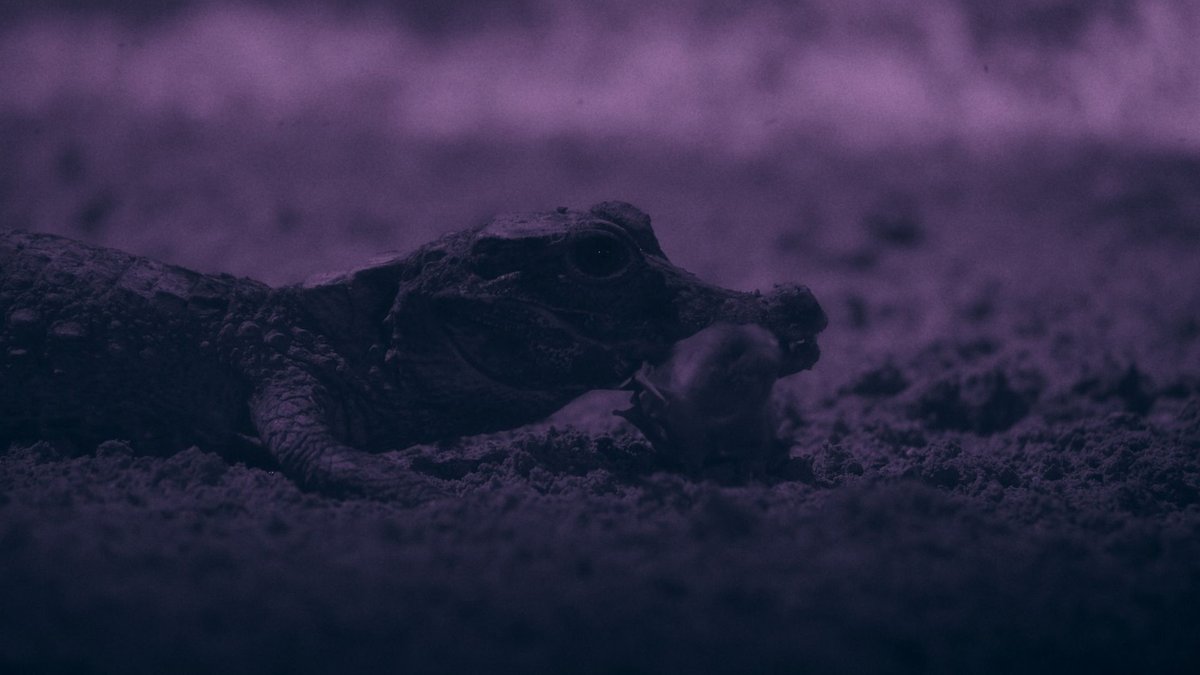
NATURE'S MARVEL: Rare Dwarf Crocodiles Caught Snatching Bats in Never-Before-Seen Behavior...
Nature & Animals
How Long Can Flamingos Stand on One Leg? Hours at a Time
A flamingo can lock its leg joint and balance on a single foot for hours. Not minutes. Hours — the bird essentially falls asleep mid-stance, one leg folded up into its body, the other locked rigid as a crutch.
The trick lives in their knee. Most birds have a simple hinge; flamingos have a modified joint that can lock into place without any muscle effort at all. Once locked, gravity does the work. The bird's weight slides straight down through bone and cartilage, not tension. It's why you see flocks standing like pink lawn ornaments for half the day, each one apparently oblivious to everything, when in fact half their brain has gone dark.
They don't stand this way because they're lazy. Flamingos wade in shallow lakes where the water is caustic with salt and alkali — the kind of water that would shrivel your skin. Standing on one leg keeps the other folded up against their body, above the waterline, where it stays warm and dry. The leg in the water cools down, dropping the flamingo's metabolic rate on that side. Less energy spent fighting heat loss. Less food needed.
Watch a flock at midday and you'll see the whole strategy: dozens of birds, each on a single leg, each one barely twitching. Occasionally one will shift — swap legs, reset the lock — but mostly they're statues. A flamingo can do this for so long that switching legs is actually the more exhausting part, requiring muscle engagement to unlock the joint and rebalance.
It's not elegant. It's not meant to be. It's pure physics, applied to survival in water that would kill most animals. Evolution didn't give flamingos grace — it gave them a hinge.
More from Nature & Animals
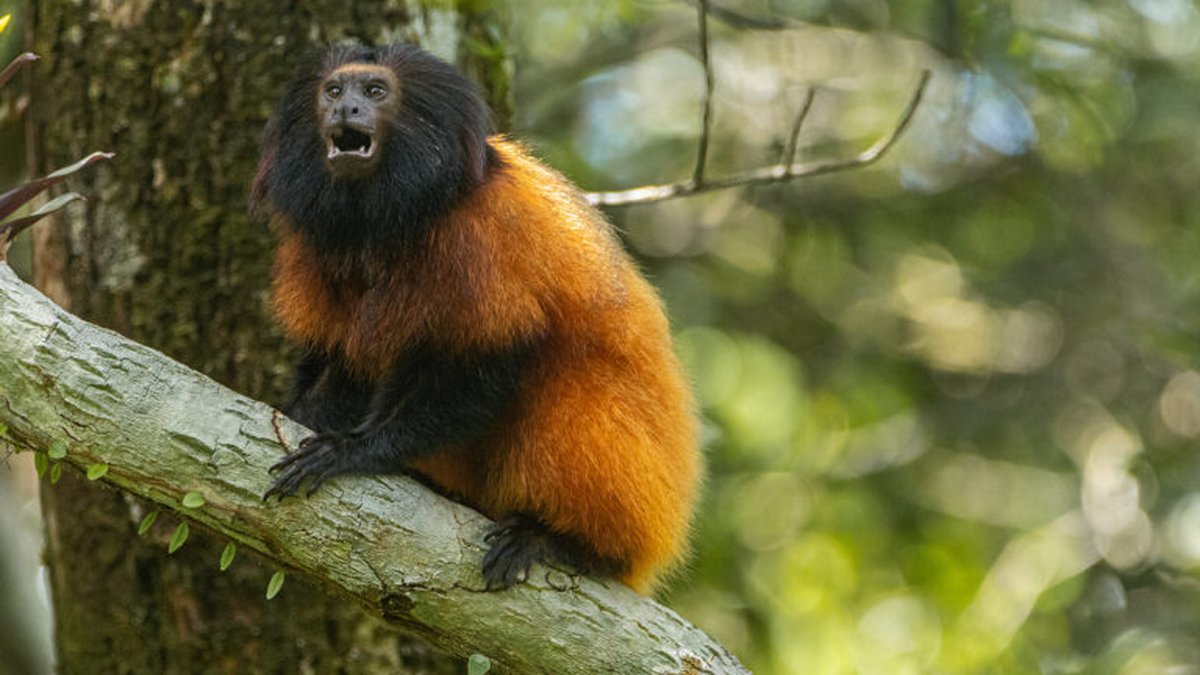
CONSERVATION MILESTONE: Endangered Lion Tamarins Vaccinated in Brazil...

DOLPHIN BEHAVIOR: Scientists Find Marine Mammals Keep Work and Play Separate...
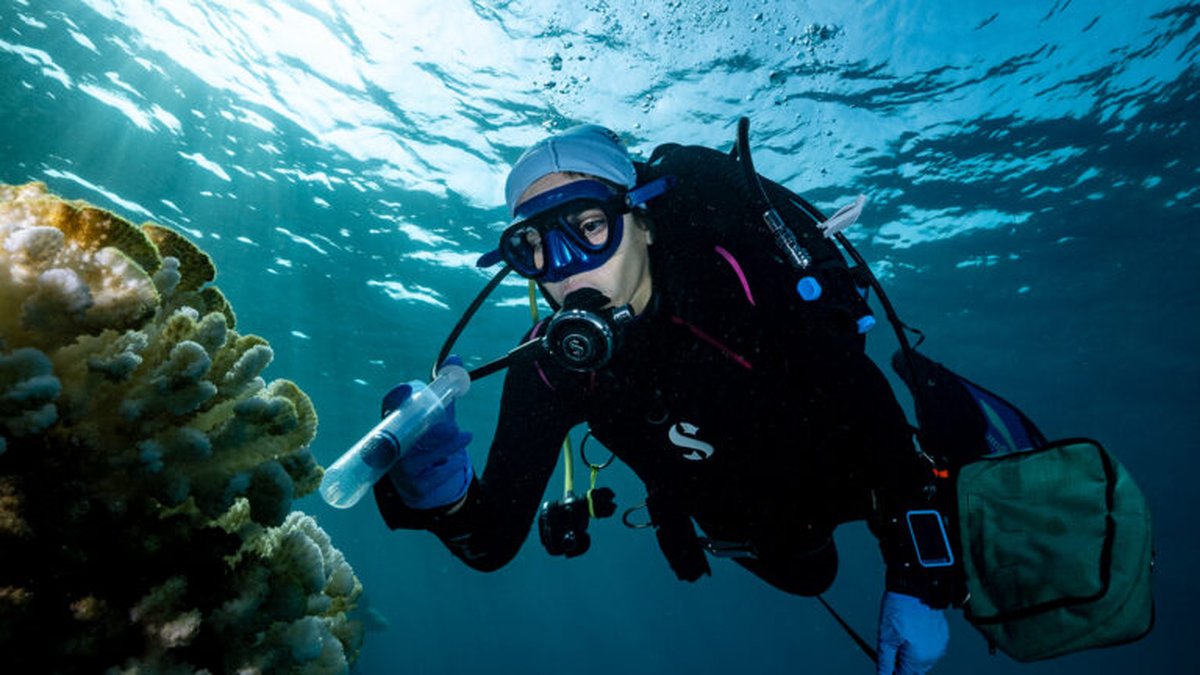
CORAL BREAKTHROUGH: Probiotics Save Reefs During Red Sea Heat Wave...
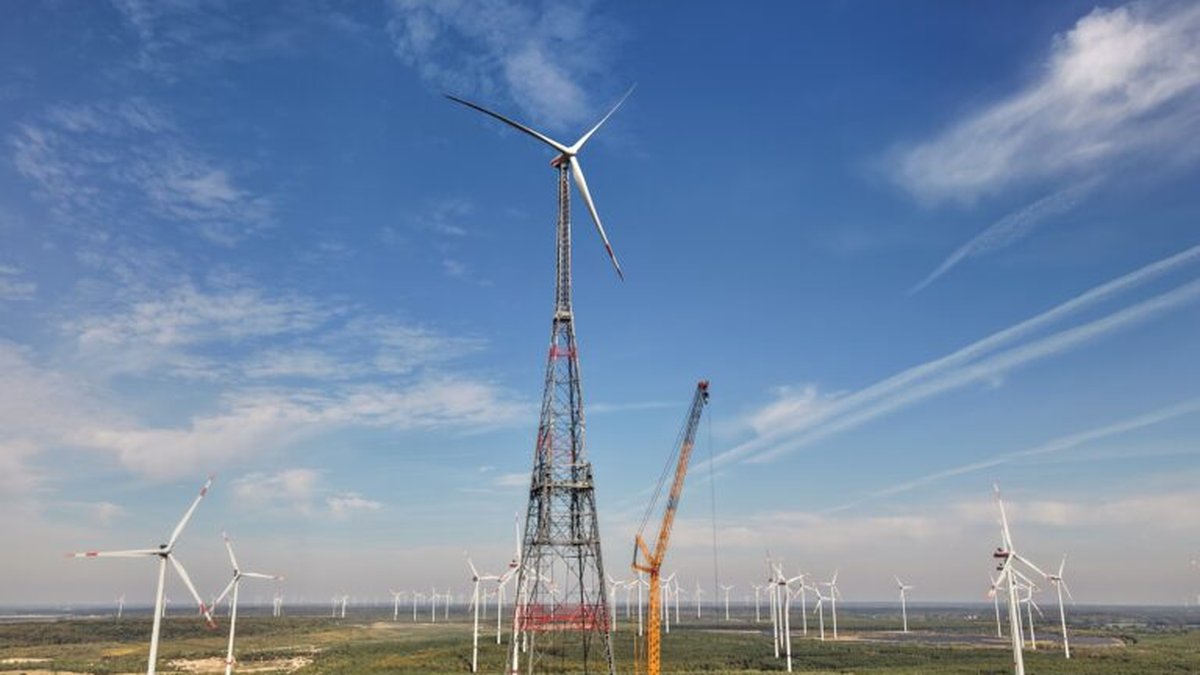
GERMAN GIANT: World's Tallest Wind Turbine Now Rises 365 Meters...
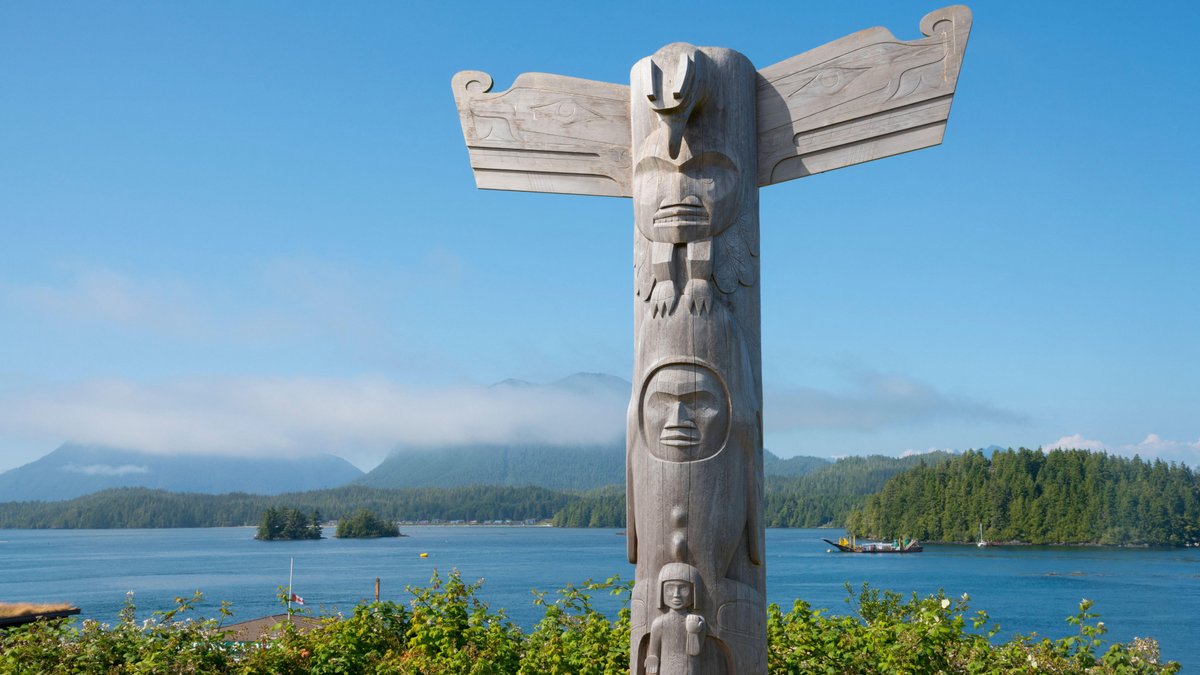
The ancestors of today's Indigenous people arrived in the Americas during the coldest part of the last ice age, study suggests
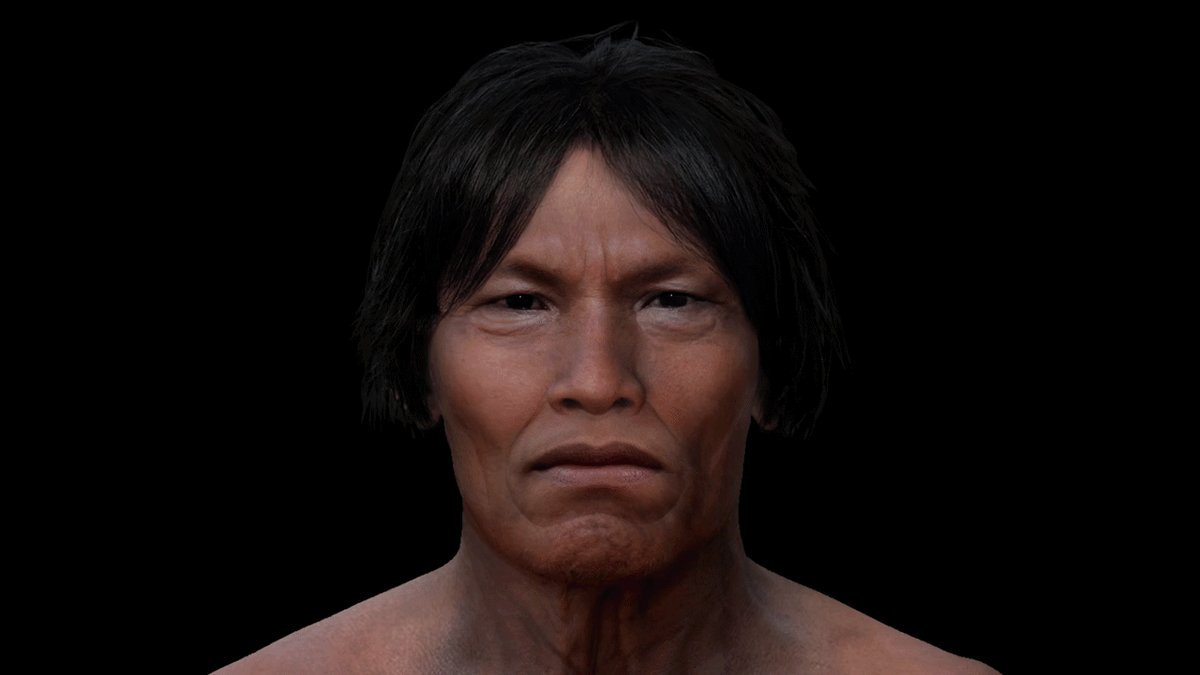
'It's a portrait of their actual ancestor': Facial reconstruction of Indigenous man who lived in Ecuador 3,000 years ago shared with his descendants