Nature & Animals
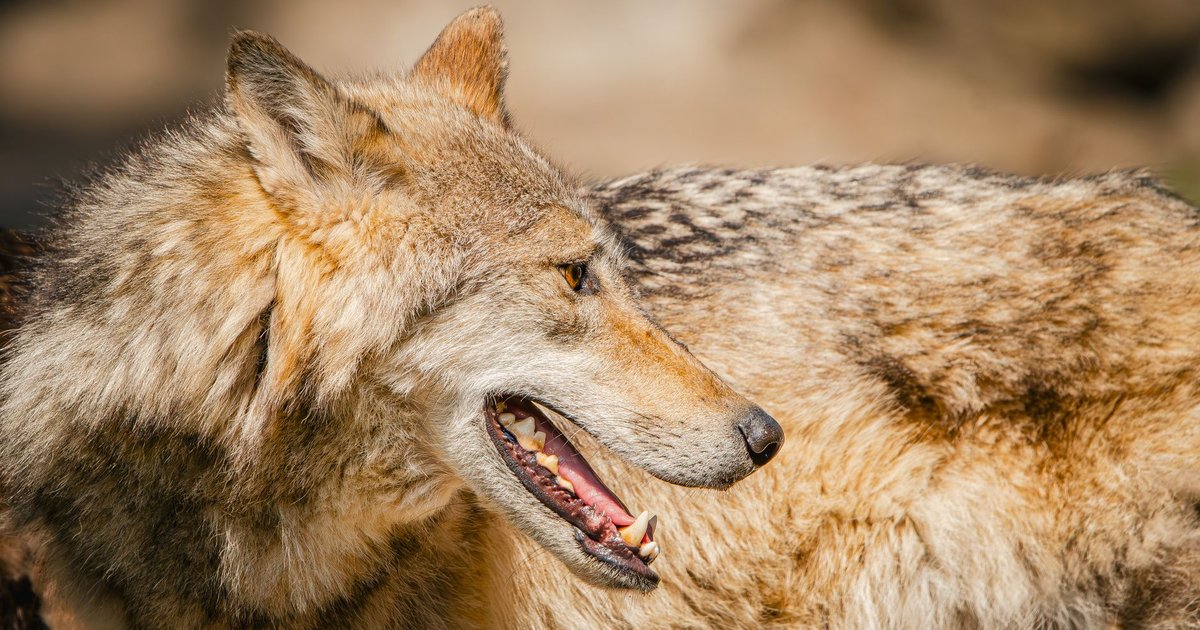
What a Wolf's Bite Force Actually Means
A wolf can bite down with 400 pounds of force per square inch. For context: a human manages about 120. That's not the whole trick, though.
The real advantage isn't the raw pressure. It's where they apply it. A wolf's teeth are positioned to slip between the ribs of a fleeing elk or moose, and that bite-force figure means those teeth won't deflect off bone or muscle. They drive straight through. The bite itself doesn't kill most large prey—the bleeding does, sometimes hours later. Wolves are less like assassins with one perfect strike and more like athletes in a long-distance race.
That 400-pound figure gets repeated because it sounds apocalyptic. It is. But it's also misleading in the way all superlatives are. A grizzly bear bites harder—around 1,200 pounds. A saltwater crocodile hits 3,700. So why does the wolf number stick in our heads?
Probably because wolves hunt like we do: not with brute force alone, but with strategy, patience, and pack coordination. A single bite from a wolf is less decisive than a grizzly's mauling. But a wolf doesn't hunt alone. Three wolves working together on an elk are doing something no bear does—they're dividing labor, cutting off escape routes, wearing prey down through exhaustion. The bite force matters, but the hunting doctrine matters more.
Watching a wolf's jaw close on prey, all that evolved pressure finds its target. Yet the kill often comes from blood loss, not the impact itself. The bite is promise, not punctuation. Everything else—the chase, the coordination, the waiting—is what actually works.
More from Nature & Animals