PATAGONIA RESTORATION: Women Scientists Bring Darwin's Rheas Back to Wild...
Nature & Animals
How Fast Can Owls Turn Their Heads? 270 Degrees in a Blink
An owl's head rotates 270 degrees. Not gradually. Nearly there in under a second—a blur of feathers and fixed, forward-staring eyes that never shift in their sockets.
This isn't a parlor trick. It's how they hunt. An owl's eyes are locked in place by bone and muscle, mounted at the front of its skull like a rifle scope. They can't swivel like human eyes do. So the whole head pivots instead, wheeling around on a spine that's engineered like nothing else in the bird world: extra vertebrae, extra joints, blood vessels wrapped in special sleeves that prevent them from pinching shut mid-rotation.
Watch a barn owl in the dark and you see why this matters. A mouse rustles three feet away. The head snaps. Ninety degrees. One hundred eighty. Two hundred seventy. The eyes lock onto the sound the moment the ears—asymmetrically placed on either side of the skull—triangulate exactly where that mouse is moving. A thousand-yard stare compressed into a predator's mathematics.
Not all owls twist equally. A barn owl can hit 270 degrees. A great horned owl manages closer to 240. But even that fraction of a circle, turned that fast, serves the same purpose: absolute, no-delay precision on prey that thought darkness meant safety.
The real trick isn't the rotation itself—it's that the eyes never move at all. Most animals turn their eyes and head together. An owl's eyes go nowhere. They just stare straight ahead while the skull does all the work, a blind spot erased by geometry and vertebrae.
It's the opposite of how we hunt. We move our eyes first, then our head follows. An owl does it backwards. And in the dark, backwards works.
More from Nature & Animals


ORANGUTAN RESCUE: Great Apes Released Into Borneo Forest After Devastating Fires...
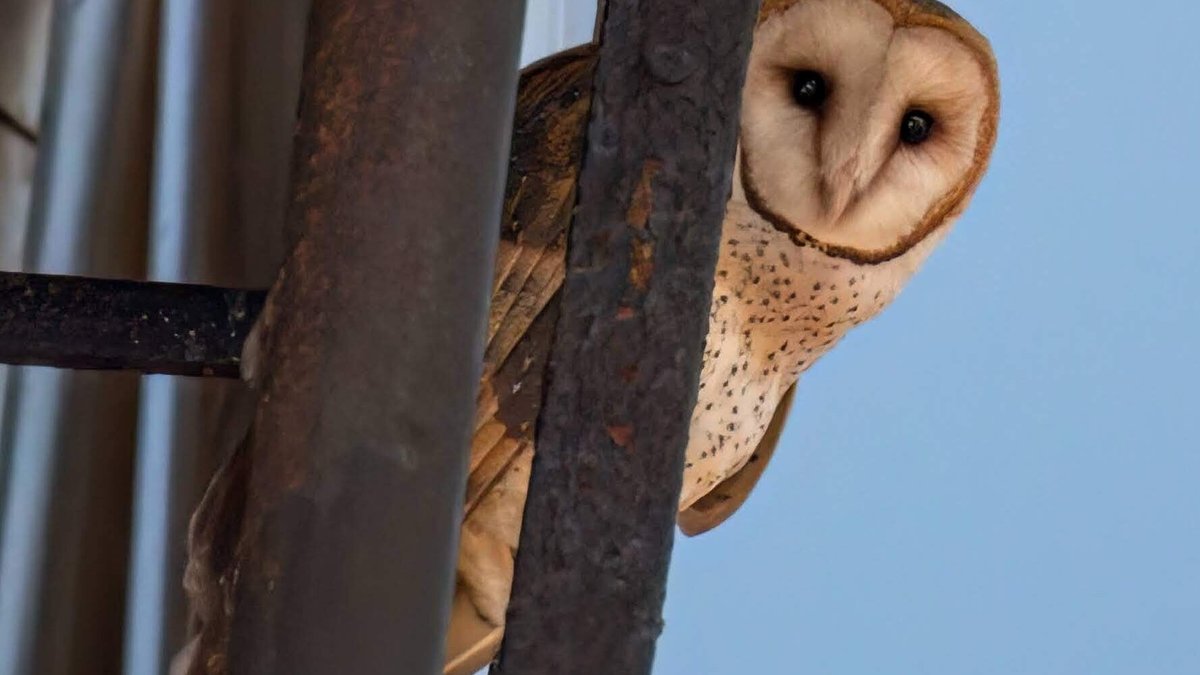
BARN OWL FEVER: NYC's Upper West Side Captivated by Famous Owl Family...
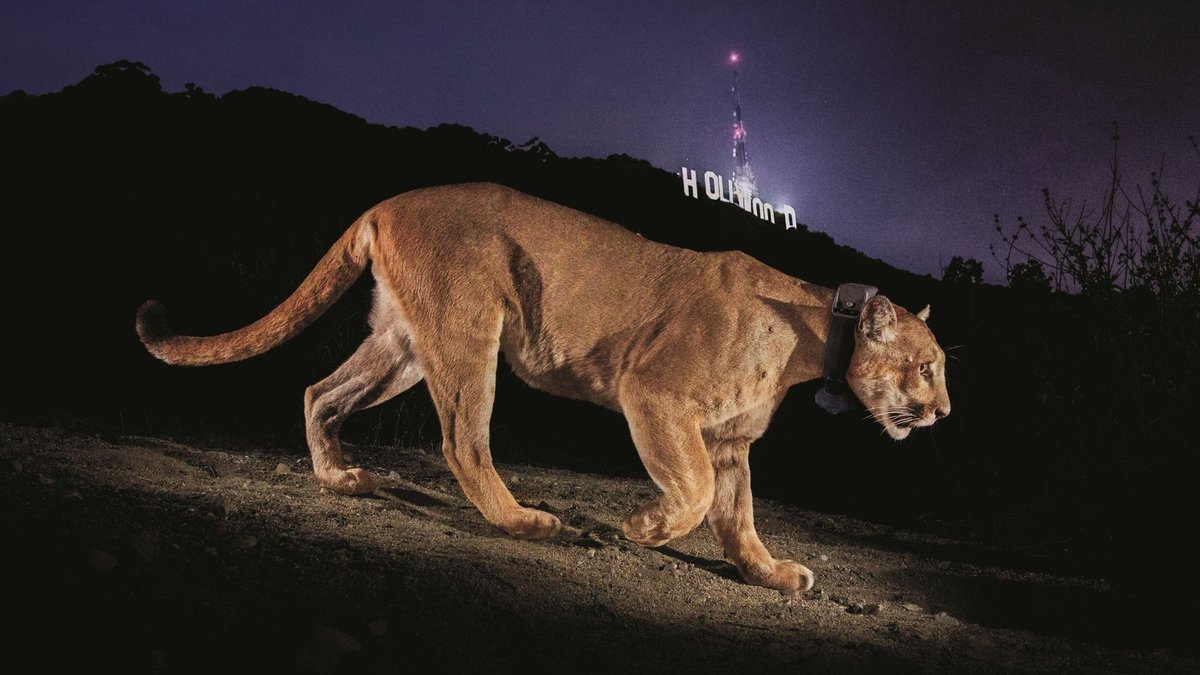
BIG CAT EXPERT: Photojournalist Winter on Iconic Puma, Illegal Tiger Trade...
VIKING MYSTERIES: 21 Graves Reveal Tales of Hunters, Nomads and Sorceresses...
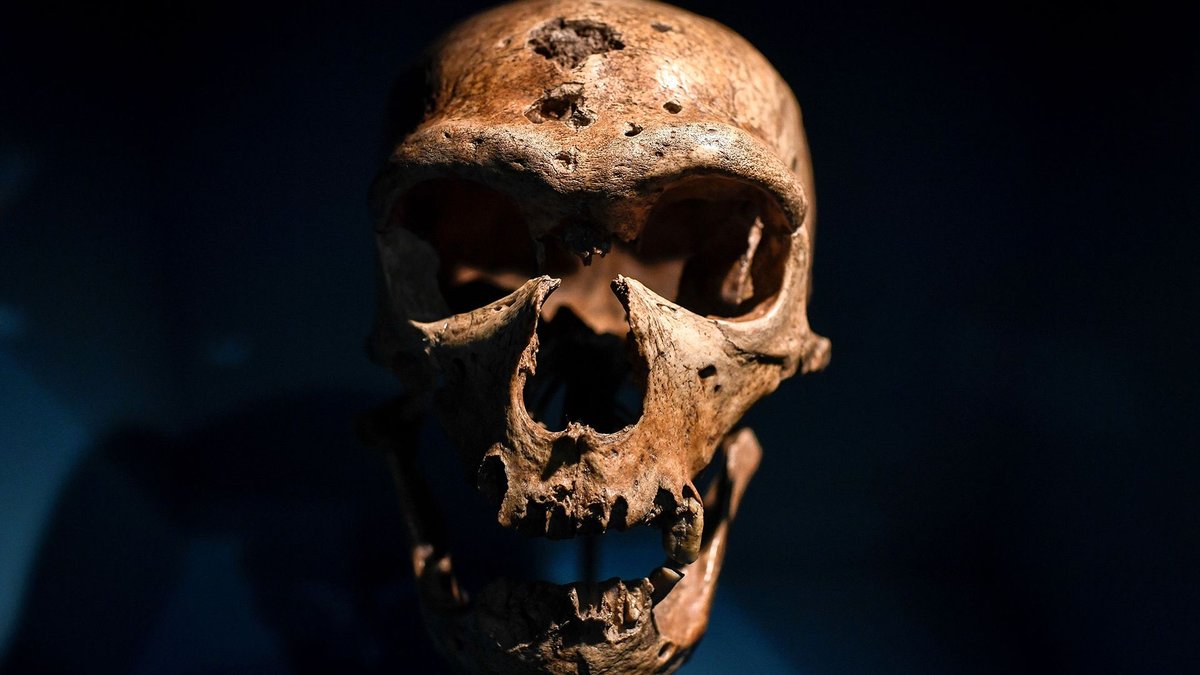
'News reports tweaked the science to speak to contemporary anxieties': How Neanderthal extinction is a projection of our own, modern fears
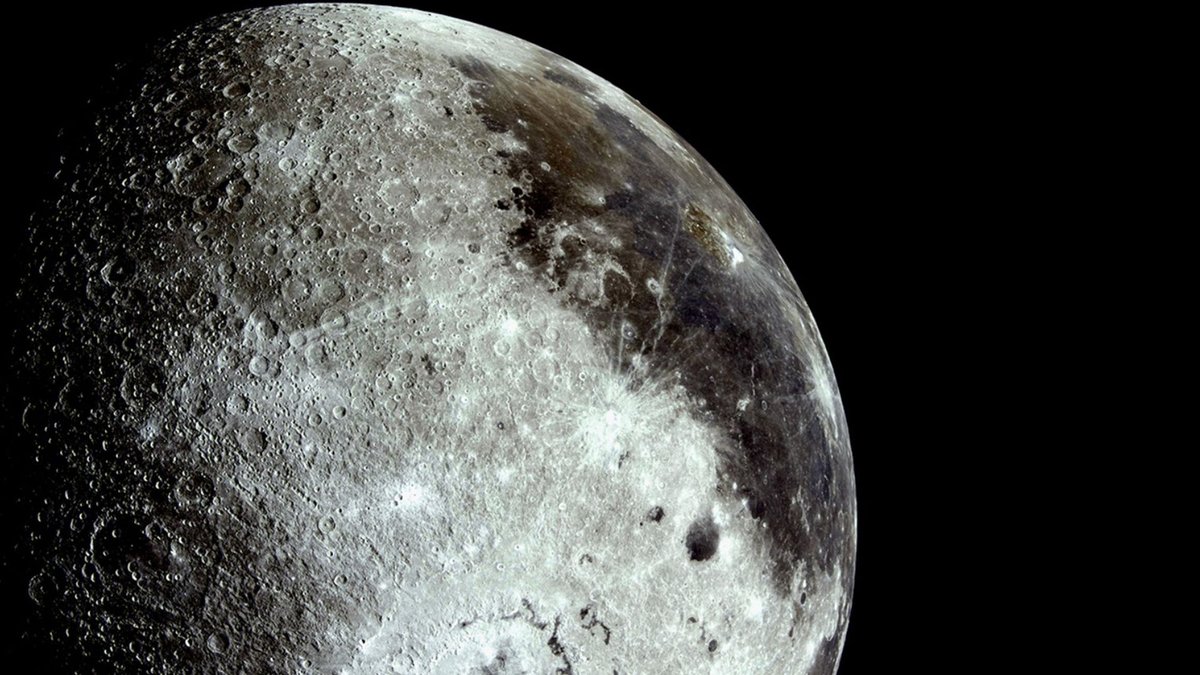
'Swamp-like colors' on the moon: NASA report reveals strange sights from Artemis II mission

How did Roman aqueducts get water to go uphill?
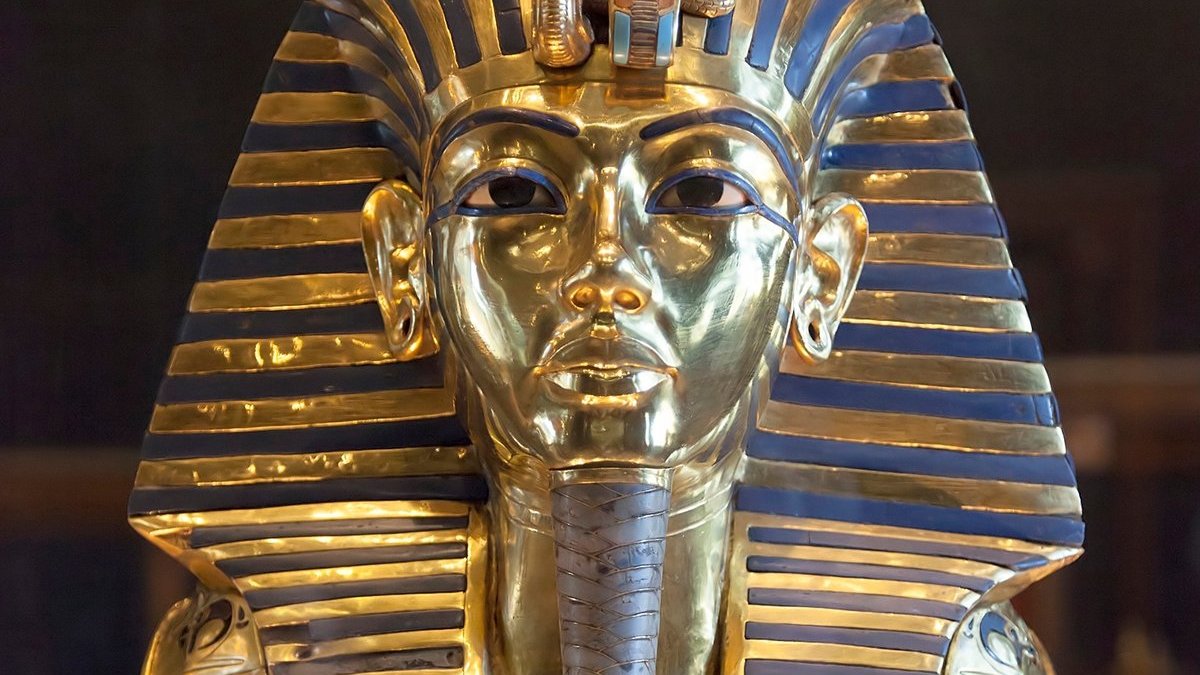
Could Tutankhamun's tomb hold clues to a mysterious Egyptian queen?

This beer-making waste may offer a new stream for cleaner water