In Suriname’s Amazon, the Wayana community struggling to keep gold miners at bay
Nature & Animals
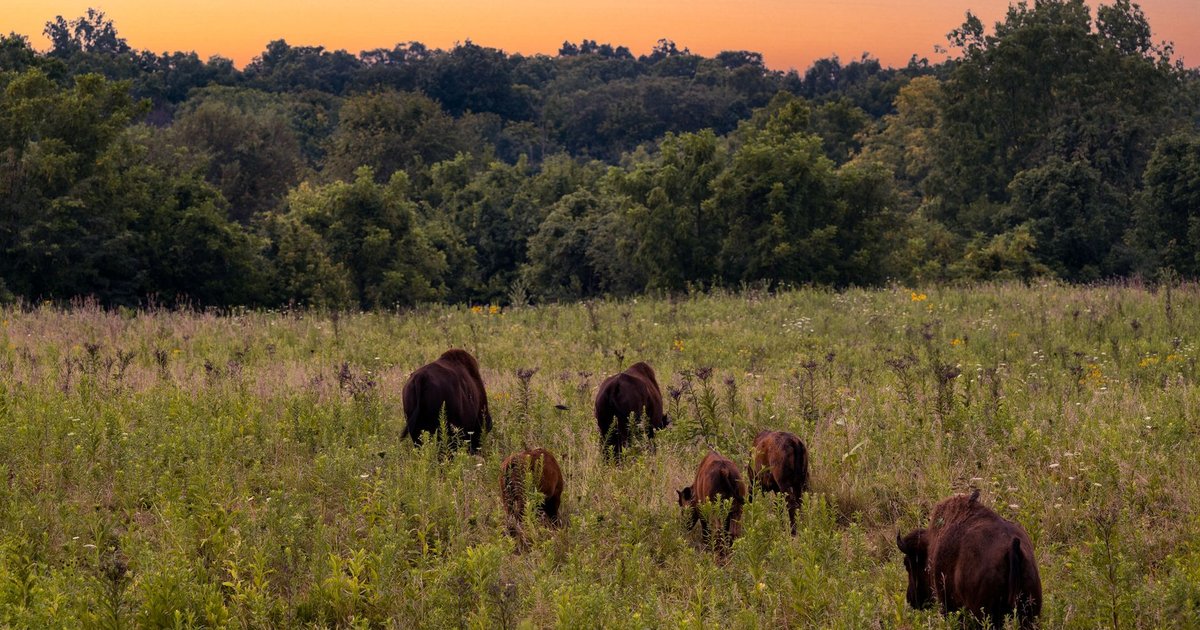
Why Did Bison Almost Go Extinct? A South Dakota Newspaper Saw It Happening
By October 1912, when The Lemmon Herald printed its page on the Northern Plains, bison had already vanished from nearly everywhere they'd roamed. A century earlier, roughly 30 million thundered across the continent. By then, fewer than 1,000 remained alive.
The Herald didn't wake up to this crisis alone—it was already catastrophic by the time a small South Dakota paper bothered to print anything about it. Hunters had systematized the slaughter. A single rifle team could drop hundreds in a season. Hides were worth money. Meat fed railroad workers. And after the Civil War, the U.S. Army understood something the settlers hadn't yet fully grasped: kill the bison, starve the tribes that depended on them, and the plains become easier to control.
By 1912, the work was nearly complete. What The Herald documented wasn't a hunt in progress—it was the tail end of a catastrophe, the moment when some people finally started asking whether any bison would survive at all. A handful of ranchers and conservationists had begun protecting small herds on private land and in nascent wildlife reserves. Theodore Roosevelt had left office two years earlier, but his conservation instincts had started shifting the conversation.
It would take decades more. The American Bison Society, founded in 1905, worked to rebuild populations from those final remnants. By the 1960s, there were maybe 15,000 bison in protected reserves and sanctuaries across North America. Today, roughly 500,000 exist, most on ranches or in parks—a recovery that looks like success only if you don't know what 30 million sounded like.
What The Lemmon Herald captured, in its small-town way, was the moment when extinction stopped being inevitable and became merely possible—a narrow window where humans decided, barely in time, that bison deserved to survive.
More from Nature & Animals
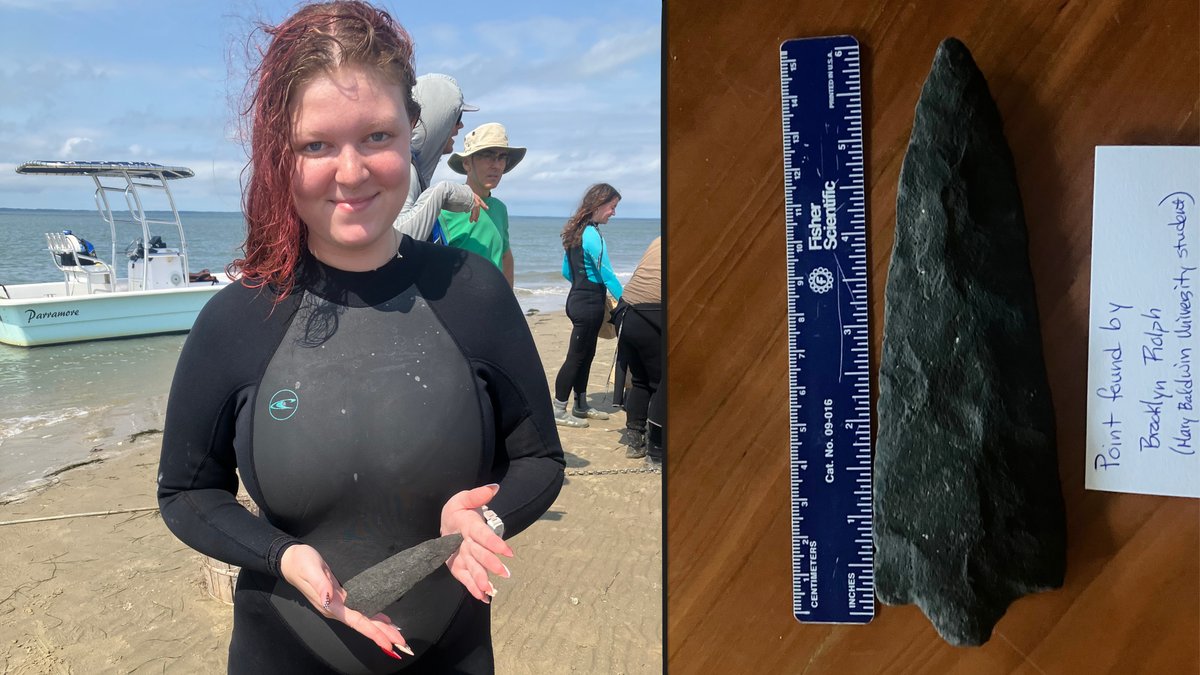
'This is so crazy!' Virginia college student looking for shark teeth finds rare Native American spearpoint

Decapitated man buried near fort in Roman-era Scotland gets a new virtual face
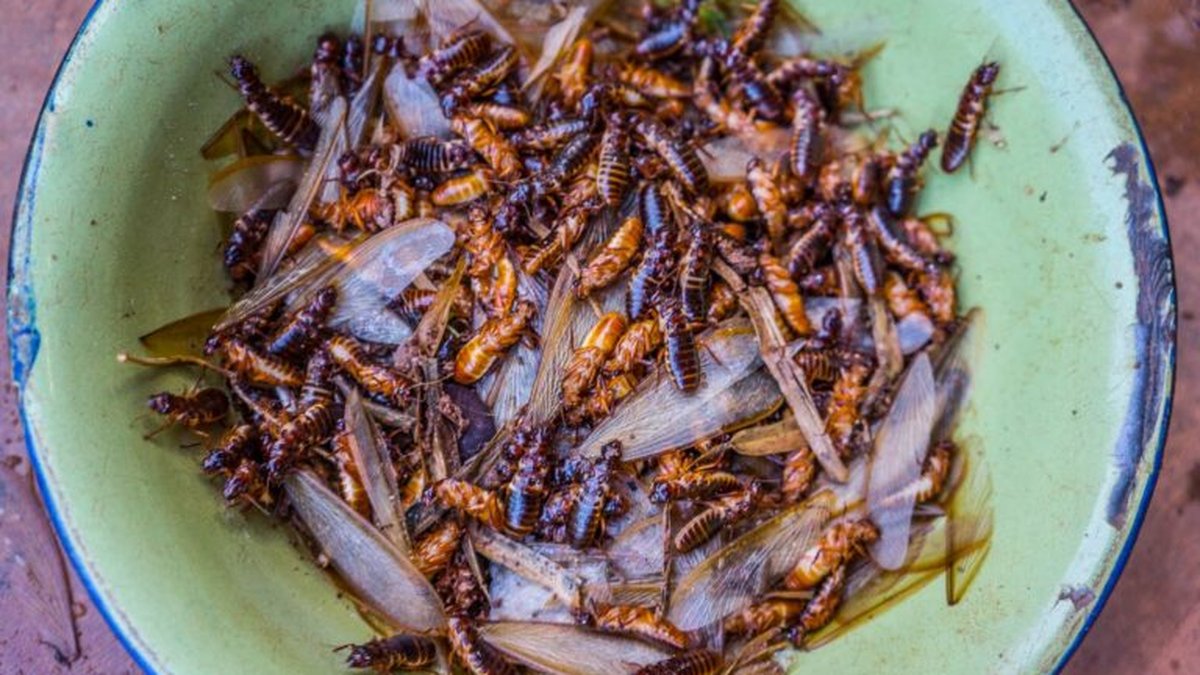
Zambia’s edible insect tradition offers a potential boost to food security
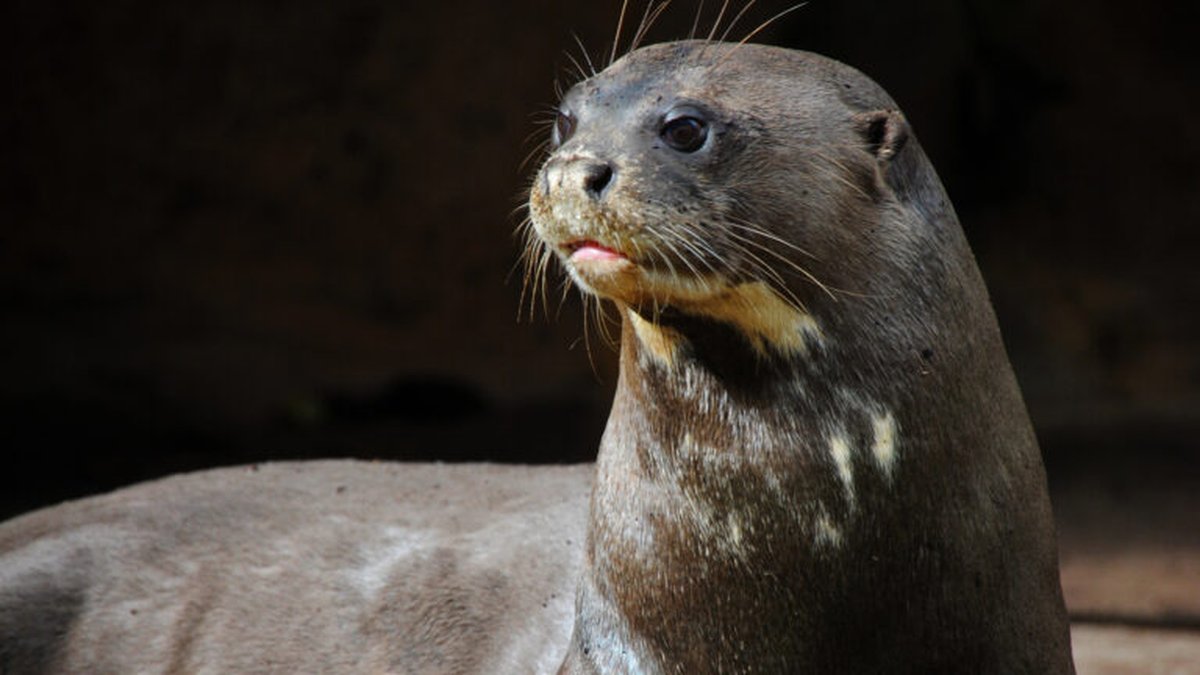
Between revered and hunted: The journey of human-otter coexistence in the Amazon

New Batteries That Store Blistering Heat Are Taking Off
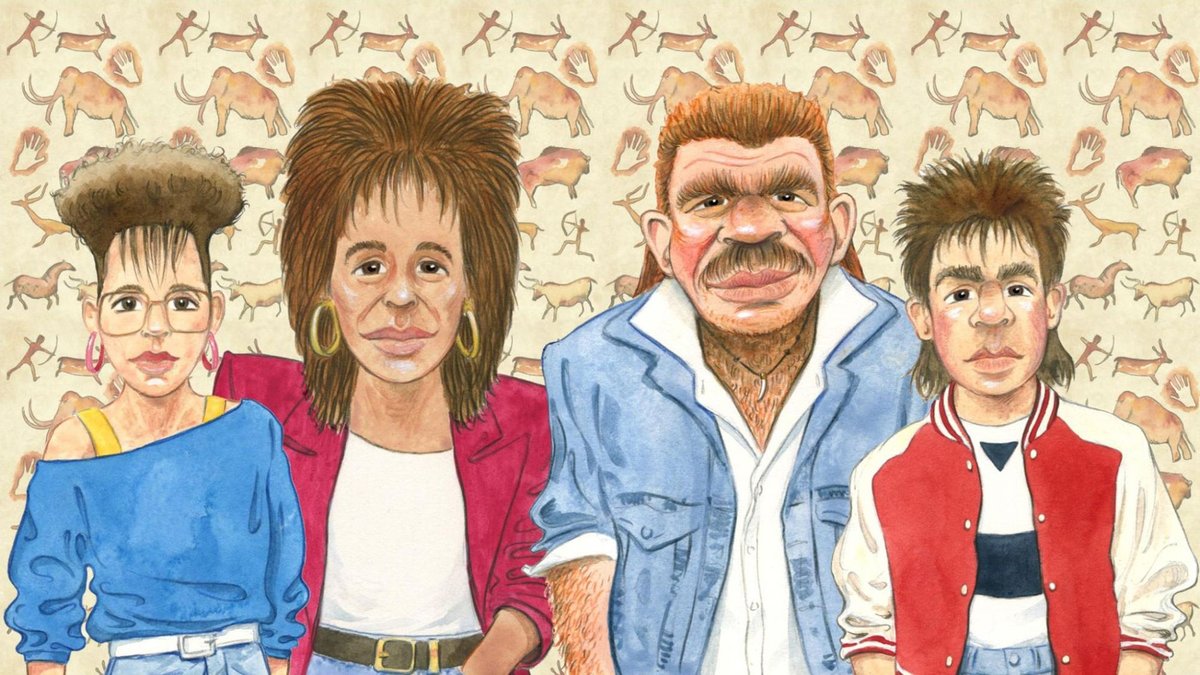
Neanderthal DNA still survives in our human family tree. What were our ancient relatives' relationships like?
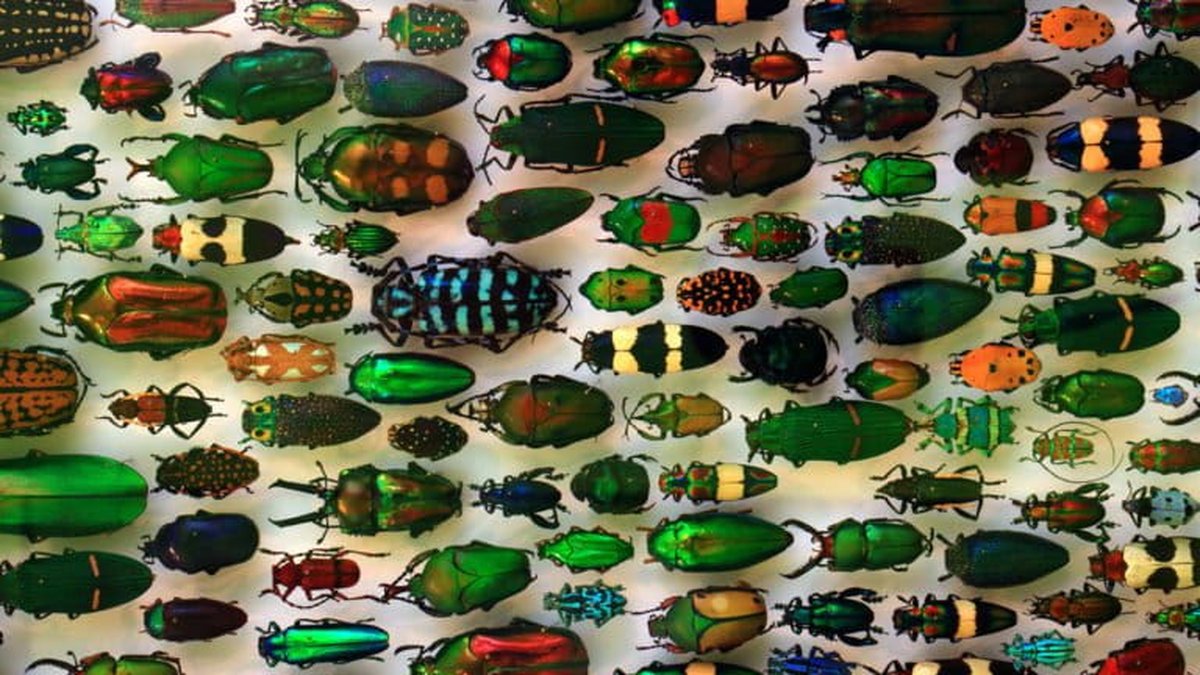
If we don’t start counting insect populations, we won’t know what we’re losing (commentary)

After Flying Past the Moon, an Artemis II Astronaut Lands at a New Job in California

These Patients Struggle With Runaway Bones. Finally There’s Hope.

After Reinventing Mathematics, Can A.I. Eradicate Computer Bugs?

Oldest known Mars rock is a ‘Rosetta stone’ for the Red Planet’s watery past