MARS MYSTERY: 1,000-Mile Cloud Reveals Physics Never Seen in Nature...
Nature & Animals
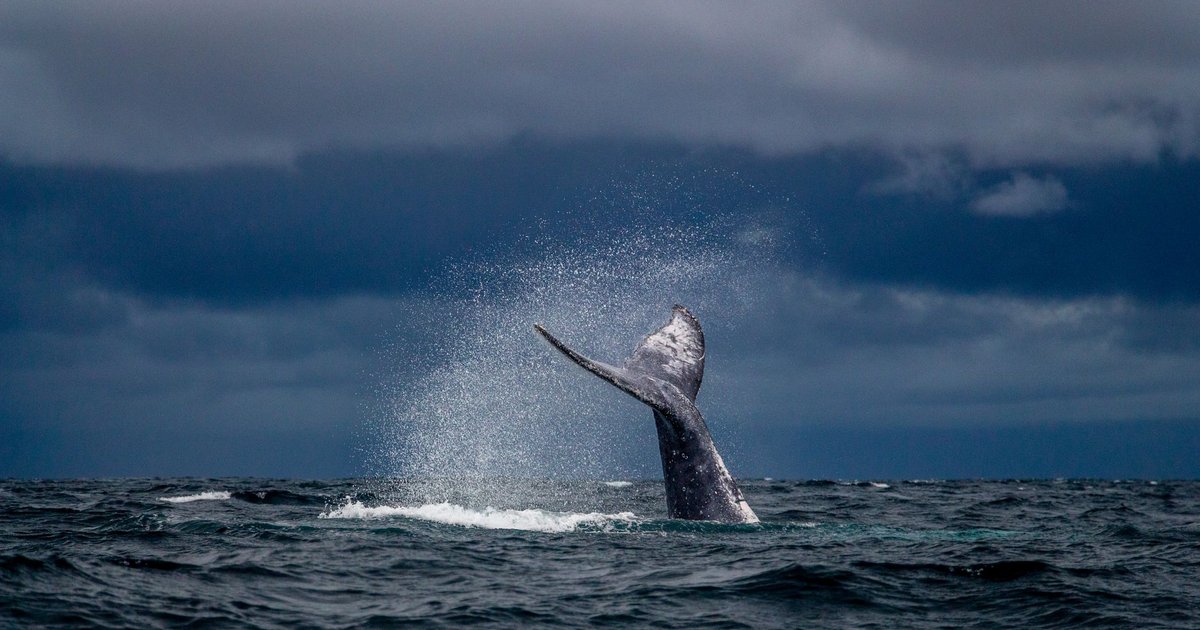
How Far Do Humpback Whales Migrate? Nearly 12,000 Miles
A humpback whale leaves the coast of Alaska in autumn and swims toward Hawaii. Six weeks later, after covering nearly 3,000 miles, it arrives in waters warm enough to breed. Then comes spring, and the same whale turns around and swims back north. The round trip: roughly 12,000 miles a year, one of the longest migrations of any animal on Earth.
They don't stop to eat during the journey. A humpback burns through fat reserves accumulated during the Arctic summer, when they gorge on krill and fish. For four months, they live off stored energy alone—no meals, just the compass that pulls them toward breeding grounds near the equator and back again.
Other cetaceans migrate, but none as ritually or as far. Gray whales cover comparable distances between Alaska and Mexico, but humpbacks do something grayer whales don't: they breach. They leap. They sing in the breeding grounds—songs that carry for miles underwater, songs that change each season, songs that neighboring whales somehow learn and spread to other populations. The migration itself is austere and mechanical; what happens at the end of it is anything but.
Scientists still don't fully understand why humpbacks navigate the way they do—whether by magnetic fields, by sun angle, by underwater landmarks. The whales seem to know the route despite being born to mothers who teach it not through words but through movement, whale following whale in the same channel year after year.
That 12,000-mile relay has a fragility to it. Ship strikes, entanglement in fishing gear, warming oceans that shift the timing of food and breeding seasons—all of it interrupts journeys refined over millennia. The distance itself is remarkable. The commitment to repeating it, despite modern chaos, is something else entirely.
More from Nature & Animals
GIBBON SURVIVAL: 20 Species Face Extinction From Deforestation, Trafficking...
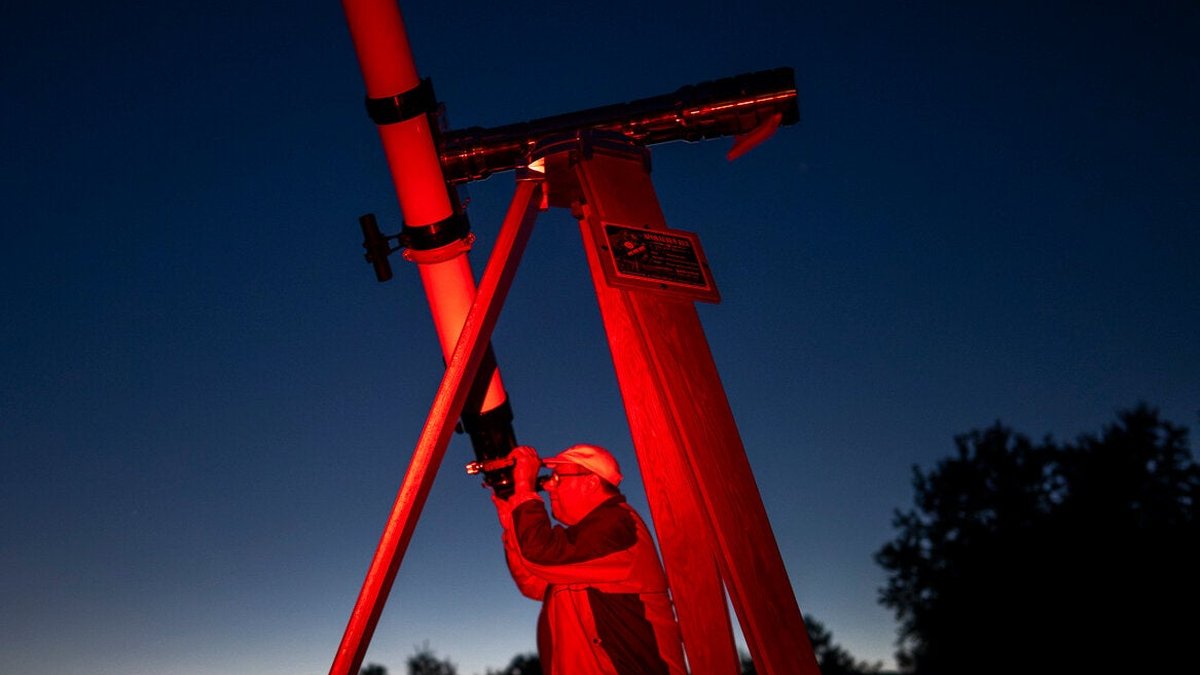
TELESCOPE MAKERS: Amateur Builders Gather for Century-Old Stellafane Convention...
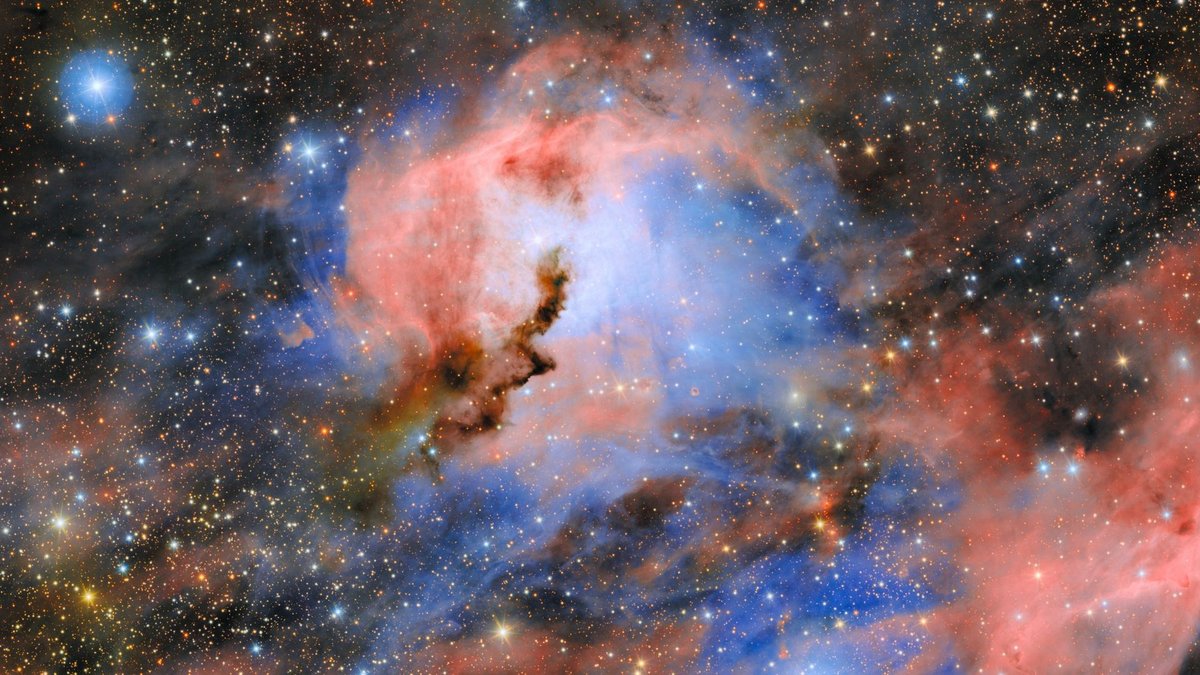
SEAGULL NEBULA: Vera C. Rubin Observatory Captures Transfixing Test Image...
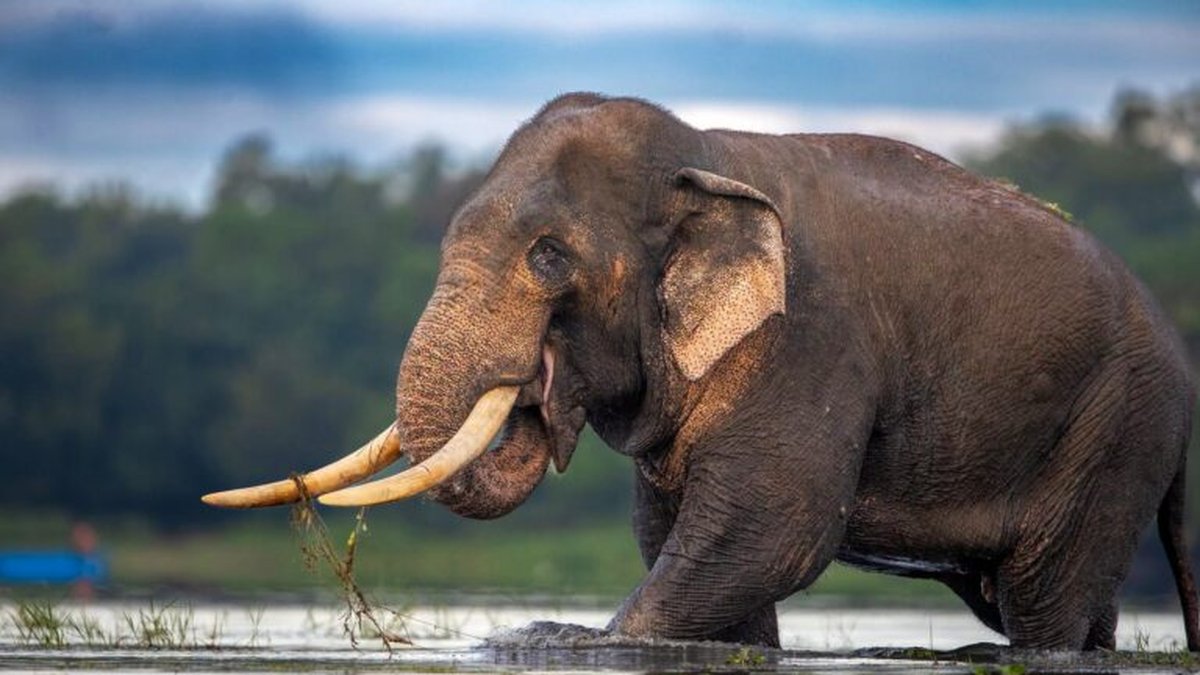
TUSKER DEAD: Sri Lanka Mourns Iconic Elephant Kavantissa After Gunshot...
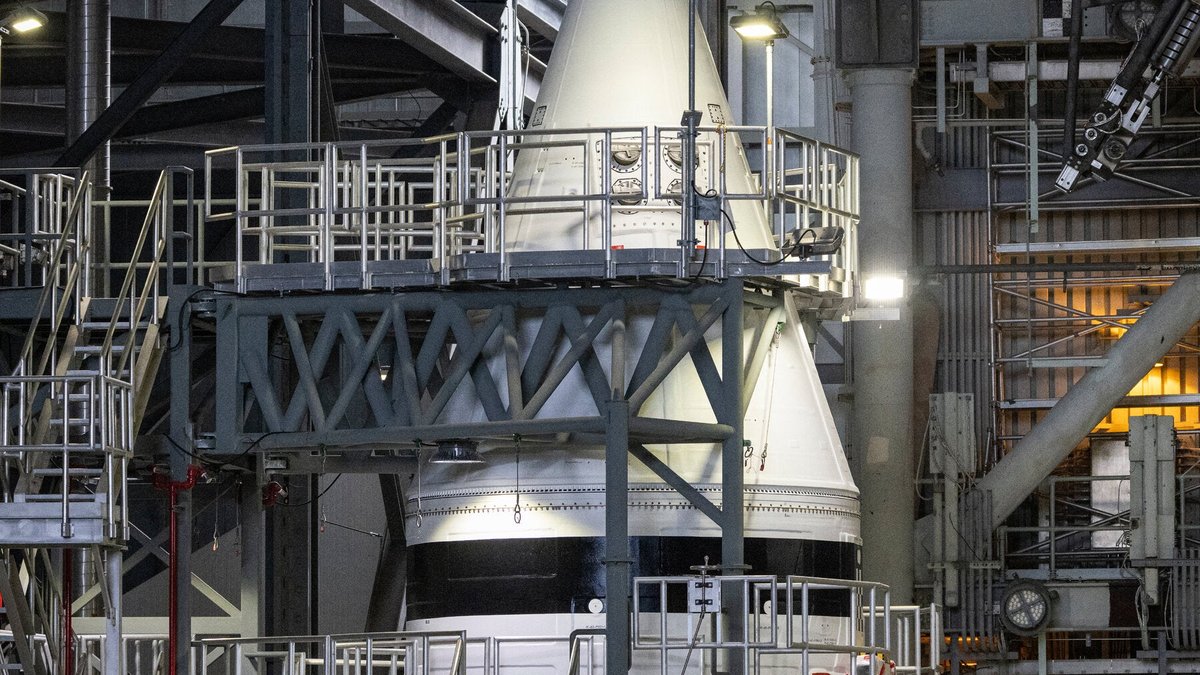
ARTEMIS III DELAYED: NASA Targets 2028 Moon Landing Without Compromising Safety...
VAMPIRE MYTHS: 18th-Century Press Ramped Up Tales of Organ-Eating Corpses...

TEEN IDENTITY: Sexual Orientation Reports Dropping—But What Does It Mean?...

GIGANTOPITHECUS MYSTERY: What Happened When Humans Met Earth's Largest Ape?...

BIAŁOWIEŻA RESTORED: 12,000-Year-Old Forest Helps Poland Defend Border...
CHIMP ETHICS: Primates Steal Less From Friends—Hints at Human Fairness Roots...

Why partisan politics may be changing people's accents