SEABIRD JET LAG: Long Flight Home Messes With Birds' Internal Clocks...
Nature & Animals
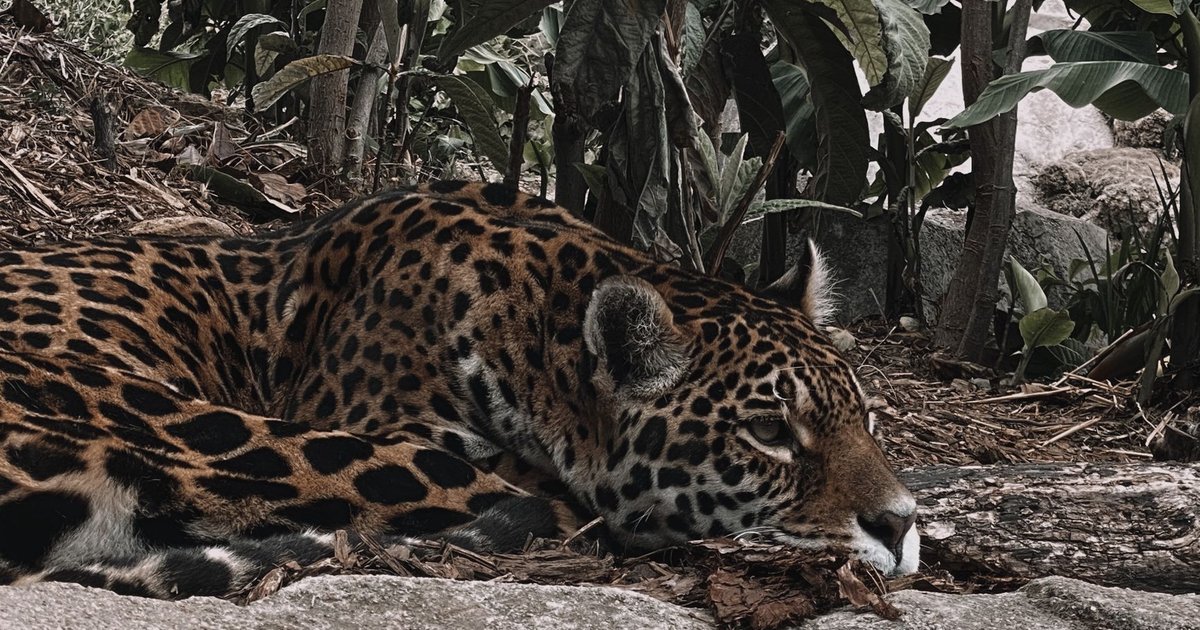
How Fast Can a Jaguar Run? Not As Fast As You'd Think
A jaguar at full sprint hits roughly 50 miles per hour. That's respectable, even impressive—until you learn that a lion reaches 50 mph, a leopard hits 45, and a greyhound can top 43. The jaguar isn't the fastest cat on the list.
What makes this fact strangest is that jaguars don't need raw speed. They hunt in dense rainforest and wetland, where a 200-pound cat with a 5-inch-wide head can slip through vegetation that would stop a heavier predator cold. A jaguar's strength multiplier—its bite force relative to body weight—is the highest of any big cat. It can pierce a caiman's skull or a turtle's shell. Speed, in that environment, is almost beside the point.
Their hunting style is ambush, not chase. A jaguar crouches at a water's edge or moves through the understory in near-silence, then closes the last gap with explosive acceleration over 10 to 20 feet. Those 50 mph matter most in that final lunge. What happens after the initial strike is what separates a jaguar from a leopard: it goes for the spine or skull, not the throat. One bite. That's the whole toolkit.
Speed rankings look clean on paper. In the Pantanal swamp or the Amazon, they're almost meaningless. A jaguar doesn't need to outrun a capybara across open ground—it waits for the capybara to come to water, moves through a tangle of vines that would tangle up a faster cat, and relies on a bite that ends things in seconds. Fifty miles per hour is just the speed at which that strategy gets executed. Not fast. Efficient.
More from Nature & Animals


COP17 CONFERENCE: Nations Grapple With Finance, Harmful Subsidies...

1,500-YEAR-OLD SHRINE MAIDEN: Ghostly Statue Unearthed In Japan...

HI-TECH DIGS: China Deploys AI, Deep-Sea Robots For Archaeology...
LEMUR DAY: How Can We Save These Primates' Madagascar Homes?...

BLUE PLANET III: David Attenborough Returns To Explore The Oceans...

CONSERVATION WARRIORS: Female-Led Resistance To Development Harms...
SNEAKY BIRD: James O'Hanlon Surveys Animal Deception, Lying...

WOMEN ENTREPRENEURS: Nepal's Spinning Wheels Uplift Communities...

TED BUNDY COLD CASE: DNA Technology Links Killer To 52-Year-Old Murder...
ANIMAL DECEPTION: Biologist Explores Whether Animals Can Actually Lie...

How your brain can turn your own reflection into something unrecognizable