Underwater Data Centers May Come to US, But Could Threaten Endangered Whales...
Nature & Animals
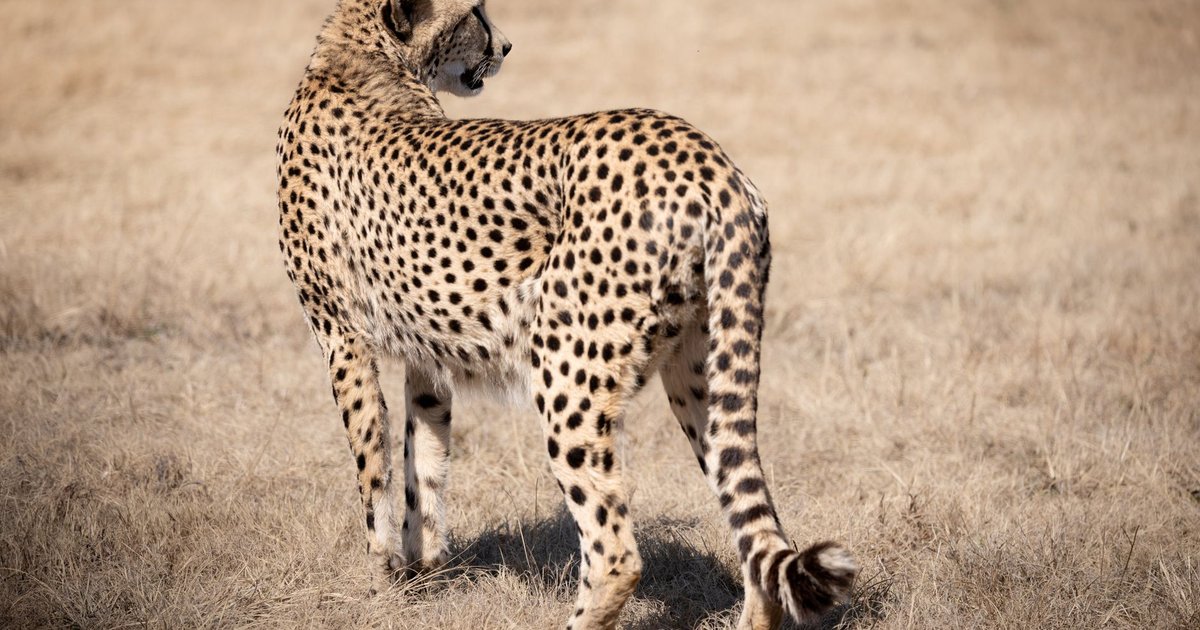
How Fast Can a Cheetah Run? 70 Miles Per Hour
Seventy miles per hour. That's what a cheetah hits at full sprint—faster than highway speed limits, faster than most cars accelerate to, faster than anything else that runs on land.
But here's the catch: a cheetah can't hold it. Not for long. The burst lasts maybe 20 seconds, and even then, only on the straightest, flattest ground. A cheetah hunts by explosive acceleration, not endurance. It explodes from a standstill to 60 mph in three seconds. Three seconds. In that time, most humans are still processing that something just moved.
The anatomy makes it obvious once you look. A cheetah's body is built like a sprinter, not a marathoner: lightweight frame, impossibly long legs relative to body size, a spine that flexes like a whip. Its claws don't fully retract like a leopard's—they stay out, like running spikes. Even its tail works as a rudder, whipping side to side to help it pivot at absurd speeds without toppling.
Speed alone doesn't guarantee a kill. A cheetah's prey—gazelles, impalas, hares—also run fast. What matters is the cheetah's acceleration, that savage first three seconds. Catch your prey off guard, close the gap before it commits to a direction, and the sprint is over. Fail, and a cheetah is finished. It overheats quickly. Push too hard or chase for too long, and the hunter becomes vulnerable.
So 70 mph is the number, but it's not really the point. The point is the three-second window. That's where every hunt lives or dies.
More from Nature & Animals


Five New Mussel Species Reveal How Much Biodiversity US Rivers Still Conceal...

Nobel Prize Winner Explains the Mysterious Neutrinos Whizzing Through Us Everyday...

Twin Hurricanes Appear to Stare From Space as They Barrel Toward Hawaii's Big Island...

Why We'll Never Have Another Black Death, Despite Russian Plague Lab Worker's Death...

Singapore's Anti-Haze Law Tested as Indonesia's Fires Create Longest Unhealthy Air Streak...

Psychologist Unveils New Theory for Why Orcas Are Attacking Yachts...

NASA's Swift Observatory Ends 22-Year Mission, Will Crash to Earth 'Within Weeks'...

RIGHTS HERO: Botswana Honors 97-Year-Old Who Fought Government Over Indigenous Evictions in Kalahari...

Hypothetical Particle Could Explain Why Universe Exists at All...