RECORD STORM: Super Typhoon Champi Unleashes 185 mph Winds, Strongest of 2026...
Nature & Animals
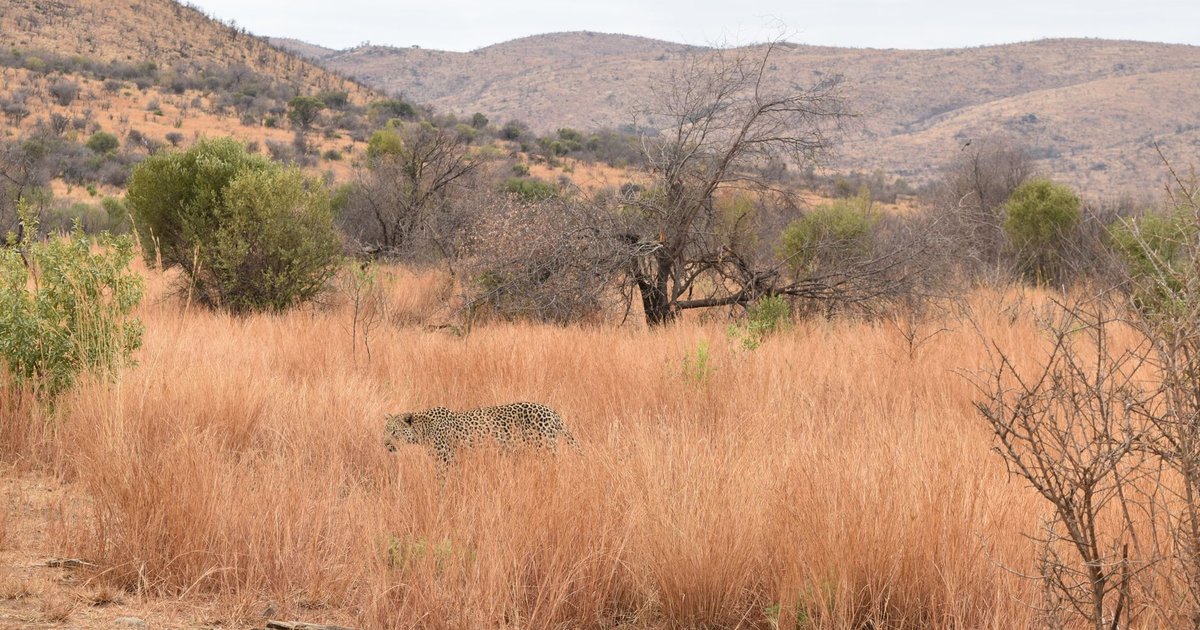
How Fast Can a Leopard Run? Faster Than a Car on a Residential Street
A leopard hits 45 miles per hour in a burst. That's faster than the speed limit on most residential roads, and it happens in the time it takes to blink twice.
But here's the catch: that velocity lasts maybe a few hundred yards before the cat burns out completely. Unlike the cheetah — the sprinter that gets all the magazine covers — leopards are built for climbing and ambush, not distance running. Their power lies in explosive, punishing acceleration over short ground, which is exactly what you need when your job is dragging a deer carcass up a tree trunk before lions or hyenas smell blood.
Those 45 miles per hour are measured in a handful of seconds of full commitment. A leopard accelerates hard, strikes, and then the work shifts. The real athleticism shows up in what comes after: the ability to haul prey—sometimes heavier than the leopard itself—up into branches where nothing else can reach it. A 100-pound leopard wrestling a 150-pound antelope vertically is an entirely different sport from chasing.
Speed rankings love to slot cheetahs at the top (70 mph) and leopards somewhere below the lions. But that ranking misses the point. Cheetahs are built like greyhounds: lightweight, brittle, terrifyingly fast over open ground and useless at anything else. Leopards are built like thieves. They move through forests at a controlled lope, strike with precision, and then solve the logistical nightmare of getting dinner into a tree before sunset.
45 miles per hour is a tool, not a boast. It's the speed of a predator that doesn't need to chase anything very far—because by the time a leopard decides to move, it's already where the prey was going to be.
More from Nature & Animals
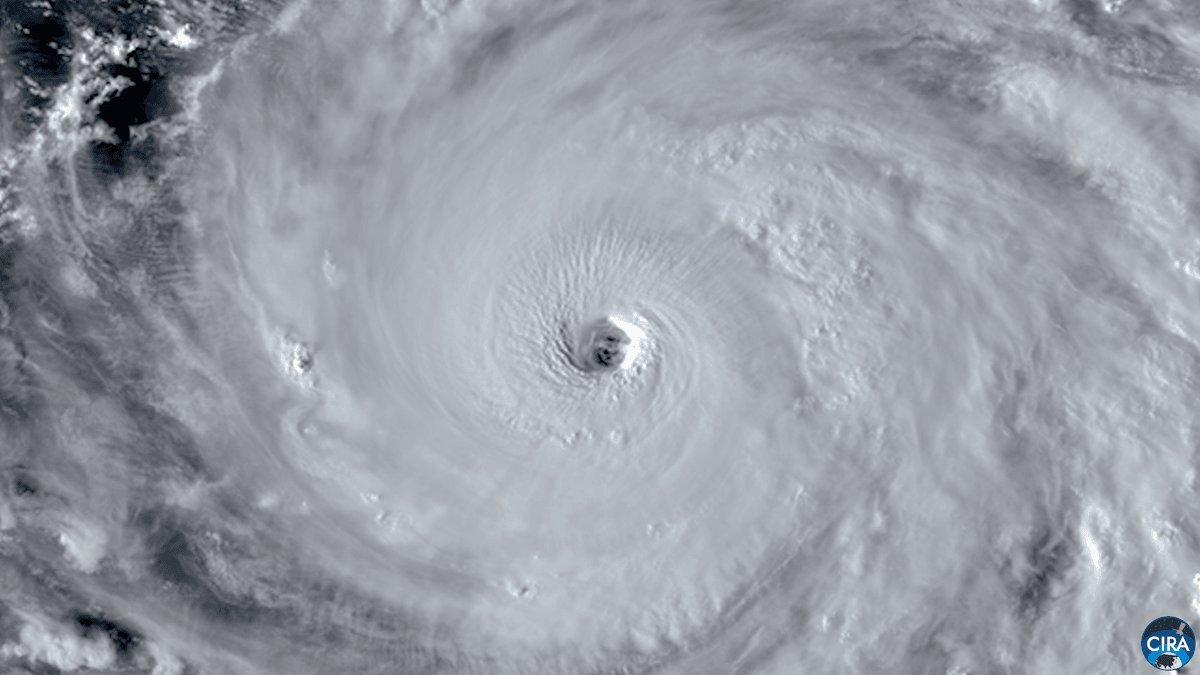

Biodiversity Summit Convenes in Armenia to Prevent Species Extinction...

Tokyo, Osaka Record Latest-Ever Day Above 30 Celsius...

Nazi Uranium Reveals How Close Hitler Came to Atomic Bomb...
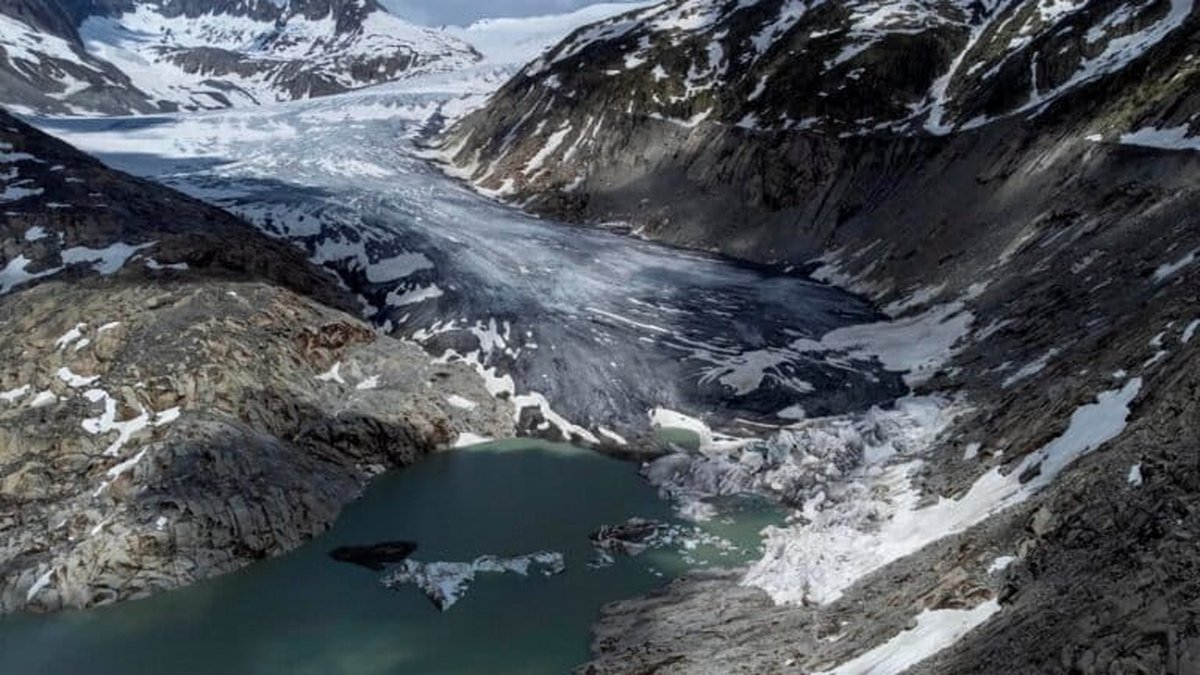
'TREASURY OF ICE': Swiss Glaciers Melt, Revealing Ancient Relics...
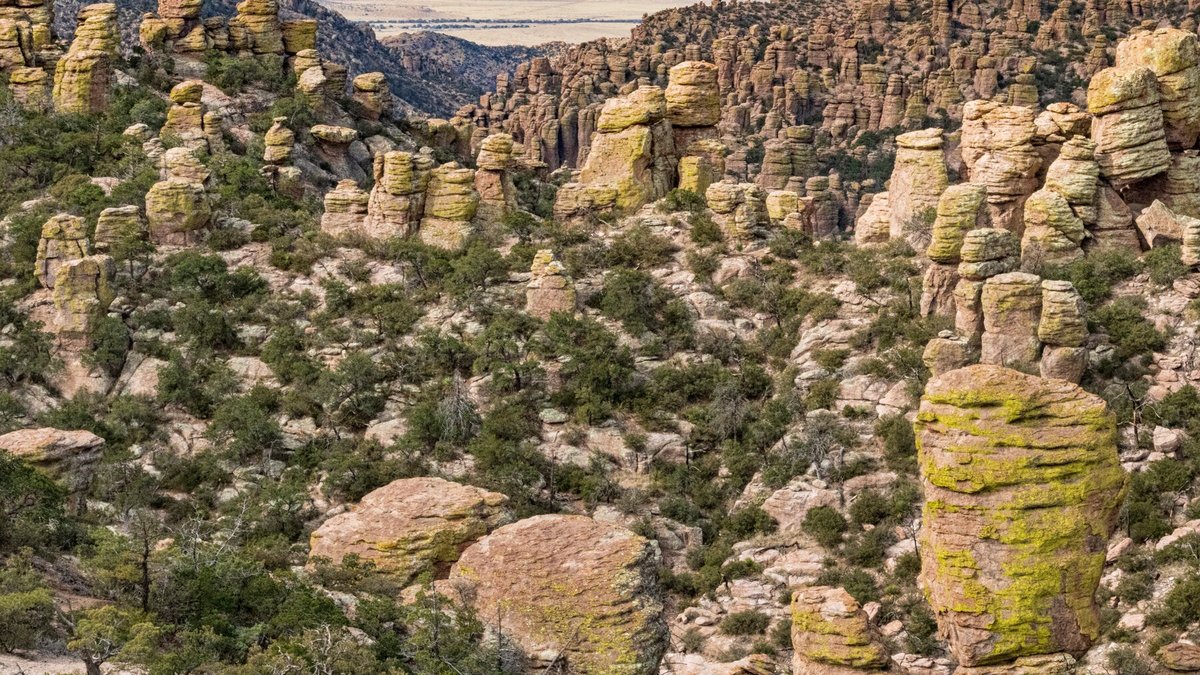
Arizona 'Sky Island' Becomes America's 64th National Park...

Arctic Explorer Intercepted by Russian FSB During Solo Circumnavigation Attempt...

Physicists Trap Single Antimatter Particle for a Month...

Seabird Guano, Native Trees Keep Islands Above Rising Seas...

Orionids Meteor Shower Peaks This Week From Halley's Comet...

Lightest Neutron Star Pair Proves Einstein Right Yet Again...

Trump Ties Disaster Aid to Votes as Midterm Fight Heats Up