PLANT DEFENSE: New Discovery Reveals How Plants Protect From Decaying Brethren...
Nature & Animals
How Fast Can a Chameleon Change Color? In Less Than a Second
A chameleon doesn't gradually fade from green to red like a sunset. Watch one shift color and you'll see it happen in less than a second—sometimes in just a few hundred milliseconds. The veiled chameleon, one of the fastest, can flash from green to yellow to brown faster than you can blink.
The trick isn't pigment flooding in from somewhere else. Chameleons have multiple layers of skin cells stacked like a paint palette. The top layer is clear. Beneath it sit cells packed with pigment—yellows and reds in one layer, blues in another, blacks underneath everything. When a chameleon's mood shifts or a rival appears, specialized muscles contract and compress these pigment cells, changing which colors reflect light. Relax the muscles, and the colors spread out and fade. It's like squeezing and releasing a sponge.
Not all species move at the same speed. Panther chameleons shift more slowly and deliberately than veileds, taking a second or two to fully change. Jackson's chameleons are somewhere in between. The differences seem tied to habitat and hunting style—chameleons in dense vegetation might need slower, more controlled color shifts to avoid spooking prey, while those in open spaces benefit from quick flashes that startle rivals.
Color change serves multiple jobs: mood expression, temperature regulation, and social signaling. A chameleon turning dark absorbs more heat; turning light bounces it away. An angry chameleon might flash vibrant stripes in half a second as a warning. A calm one deepens to forest green over a minute.
The speed is still slower than a squid's skin—which can vanish in 200 milliseconds—but for a creature on land, hauling around a heavy turret of eyes and a prehensile tail, under one second is remarkable. Most animals can't reorganize their appearance faster than a heartbeat.
More from Nature & Animals
BIODIVERSITY TARGETS: Most Countries Off Track Despite Adoption at COP17...

RARE BOOKS: Copernicus, Galileo, Newton Volumes Unlock Universe at Sotheby's...

AIR POLLUTION LINK: Scientists Uncover Path to Glaucoma, Cataracts From PM2.5...
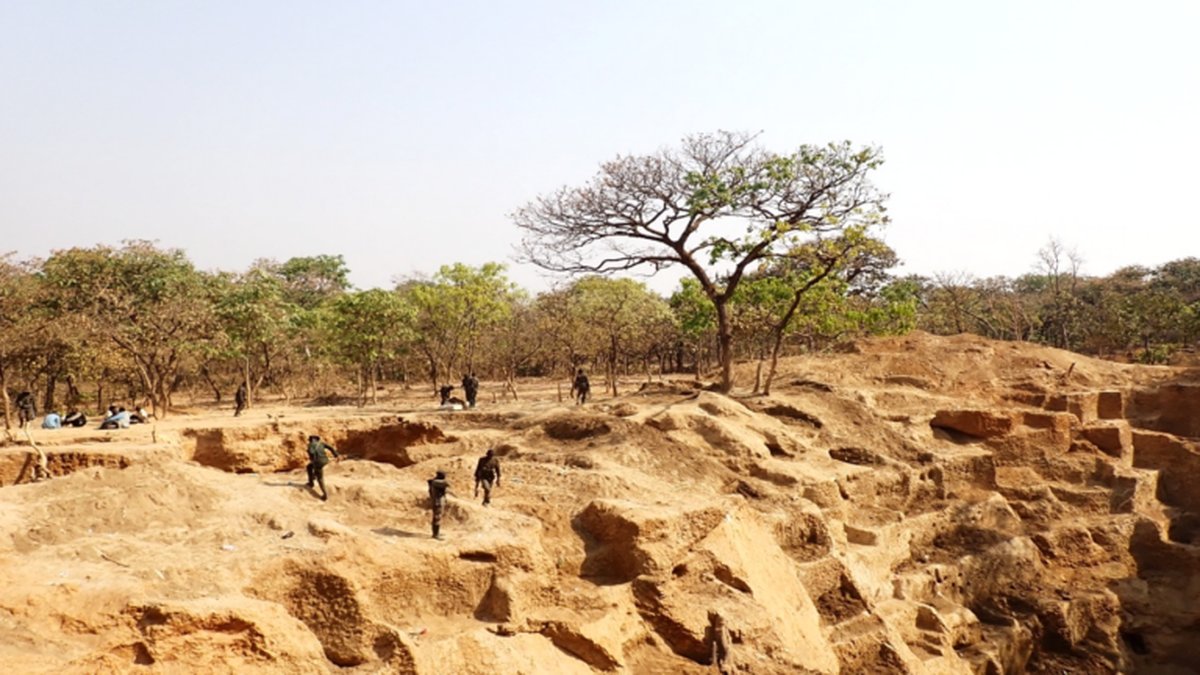
POACHING CRACKDOWN: Nigeria Expels 4,000 Gold Miners From National Park...

VACCINE CONCERNS: RFK Jr. Quietly Taking Steps to Reduce Immunization Rates...

MEDIEVAL IMPACT: Black Death Reduced Biodiversity as Humans Abandoned Farmland...

MATH & AI DEBATE: Fields Medalist Terence Tao on Front Lines of Future...
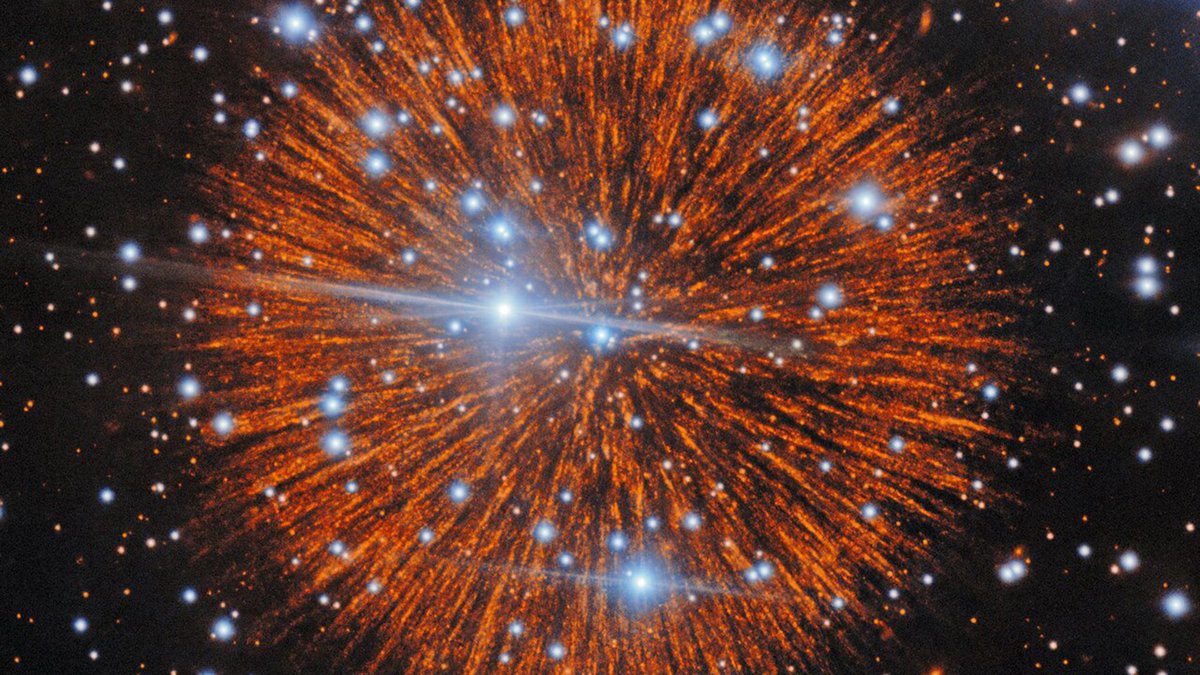
SUPERNOVA KNOTS: Pa 30 'Firework' Reveals Mysterious Gas Chains in Hawaii...
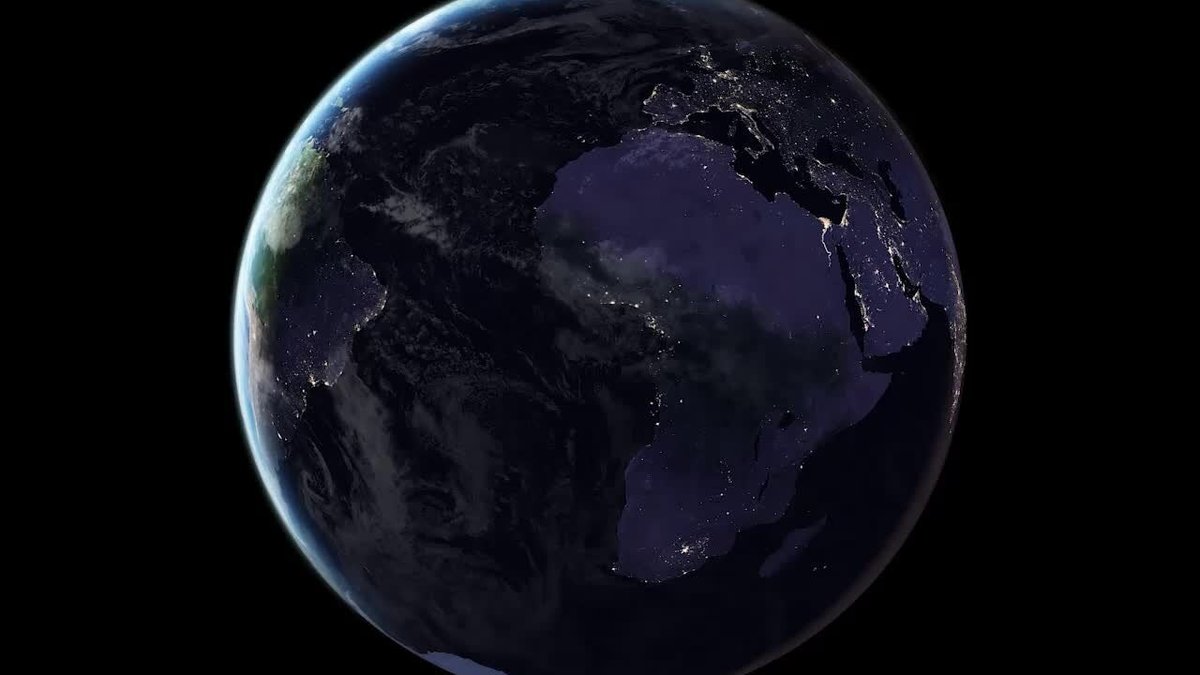
TIMEKEEPING CHANGE: Leap Second Canceled, Earth's Rotation Won't Alter Clocks...
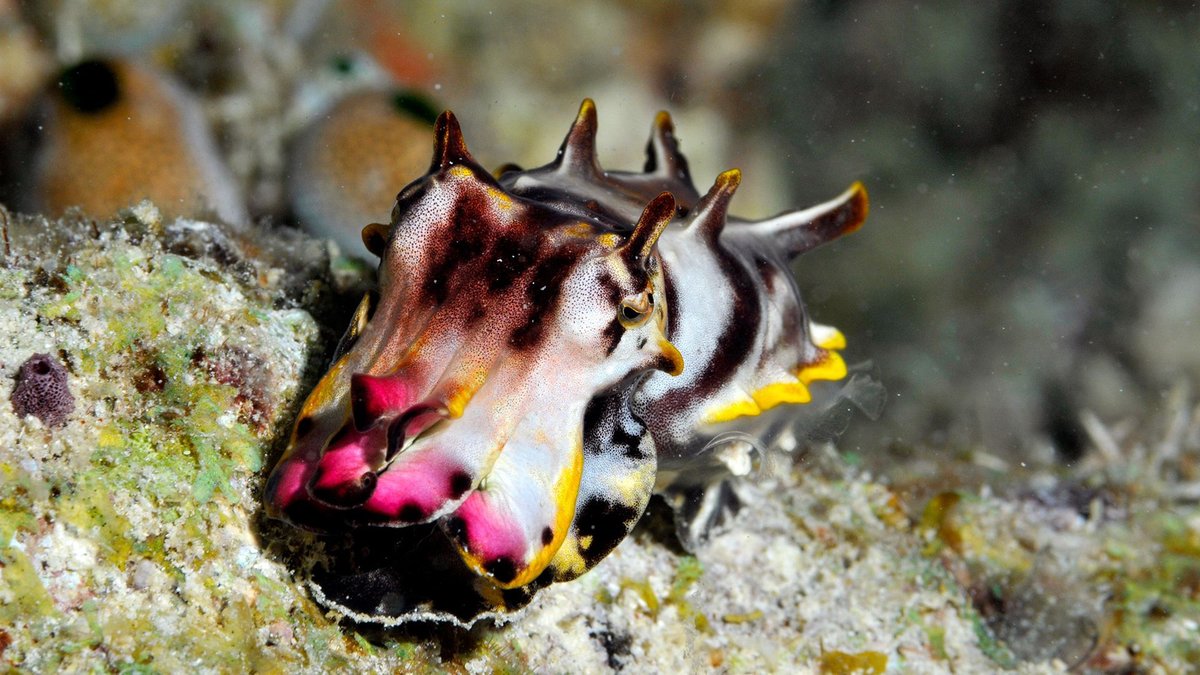
CUTTLEFISH COLORS: Scientists Question If Rapid Changes Actually Hypnotize Prey...
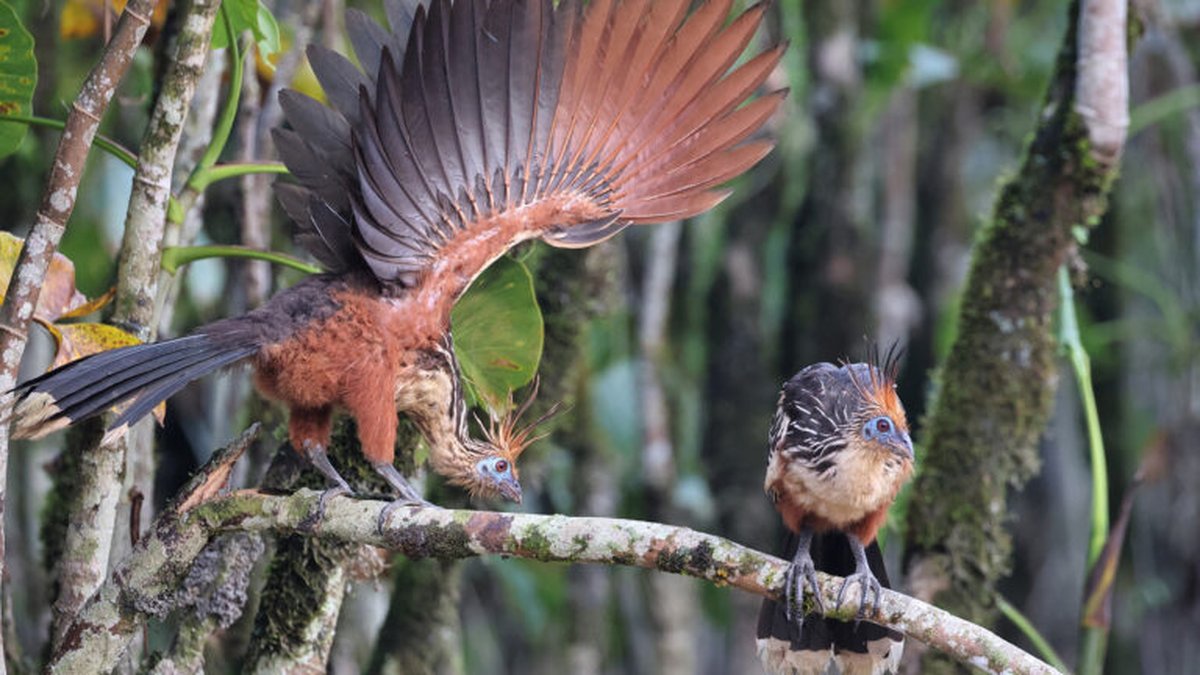
BRAZIL BREAKTHROUGH: Amazon Deforestation Falls 42% to Record Low...