Honeybee Stingers Revealed: New Research Shows How They Work...
Nature & Animals
How Strong Is a Hippo Bite? Strong Enough to Snap a Canoe
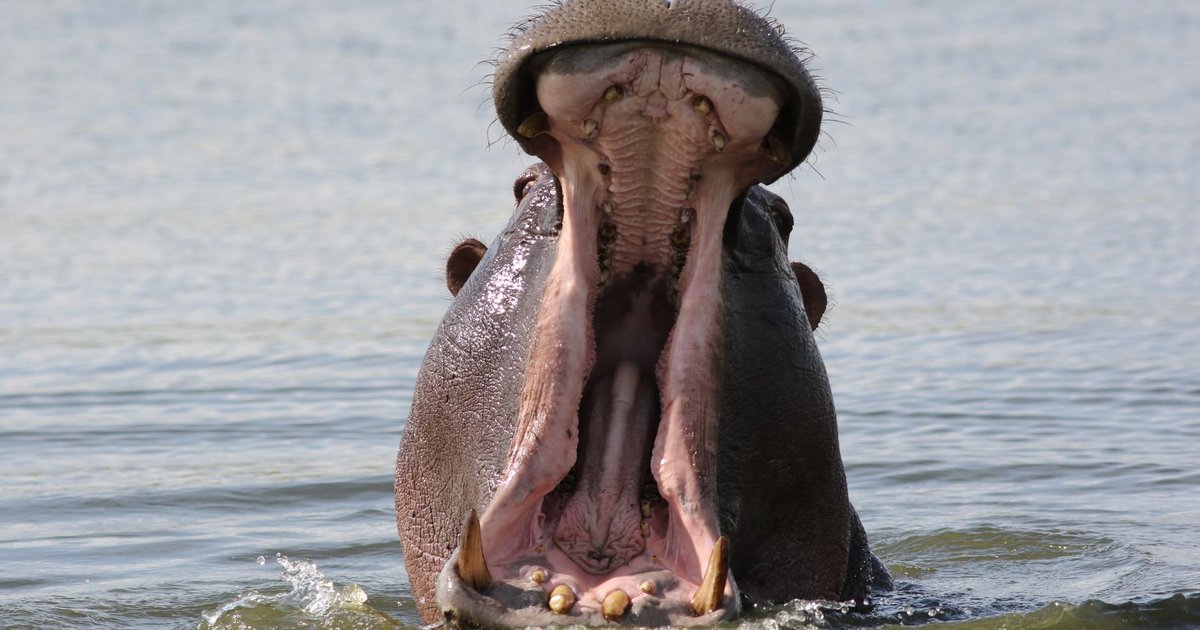
A hippo's bite force reaches 1,800 pounds per square inch. For comparison, a lion's bite is around 650 PSI. A crocodile tops out at roughly 3,700 PSI, but crocodiles are outliers—and they've had 200 million years to perfect the mechanics. A hippo arrives at that jaw strength carrying a 4,000-pound body and a temper that treats anything near the water as an intruder.
Those teeth are tusks, technically. The lower canines grow throughout a hippo's life, reaching lengths of 20 inches or more—longer than a kitchen knife blade. They're also sharp, curving up like scythes. The bite force matters less in isolation than what delivers it: a hippo can open its mouth to nearly 150 degrees, wide enough that the animal's lower jaw unhinges almost vertically. A human arm placed between those teeth has no structural chance. Wood splinters. Boat hulls crack. Crocodiles, despite their superior bite pressure, are smaller and lighter—a hippo's mass and leverage stack the actual damage in a completely different category.
Hippos kill an estimated 500 to 3,000 people per year in Africa, depending on the source. Most deaths happen in or around water: a person wading, a dugout canoe capsized, a researcher who underestimated how far a hippo will leave the river to defend its territory. A hippo on land moves faster than most people expect—up to 30 miles per hour in short bursts. In water, where it weighs almost nothing thanks to buoyancy, it's almost weightless and infinitely more agile than its bulk suggests.
The bite is memorable because it's sudden and because the animal looks almost comical—barrel-bodied, squat-legged, almost clownish when it yawns. That yawn is a warning. Most animals growl or posture. A hippo just opens its mouth wider than your head and shows you why that matters.
More from Nature & Animals
SKY TOWER: High-Flying Airship Travels US to Japan, Tests Disaster Connectivity...
ELEPHANTS & SURVIVAL: Dying Matriarch Leaves Herd Vulnerable Without Water Knowledge...
FOREST CRISIS: Multiple Plagues Quietly Devastating American Woodlands...
ANCIENT WARFARE: Romans Torched Celtic Town to 'Humiliate' Enemy, Archaeologists Find...
AMAZON WETLANDS: Belgium-Sized Area Converted, Losses Climbing Yearly...
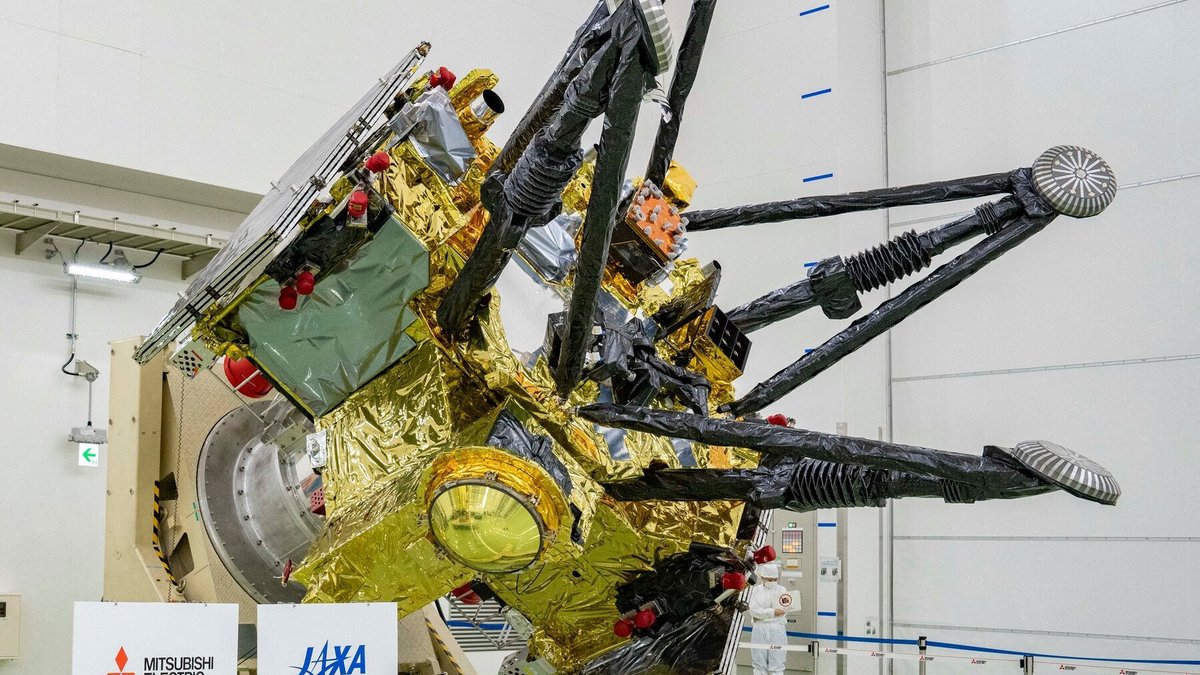
MARS MISSION: Japan Spacecraft Aims to Bring Back Phobos Sample This Week...
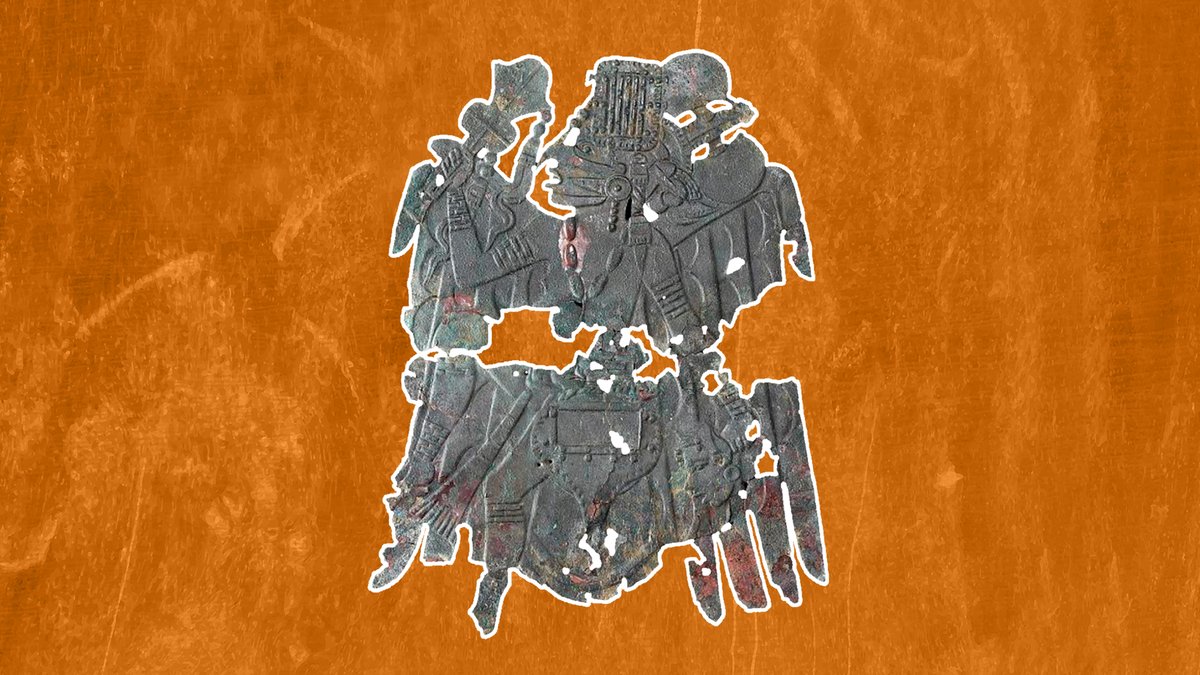
ANCIENT ARTIFACT: 700-Year-Old 'Birdman' Plate May Depict Female Warrior With Severed Head...
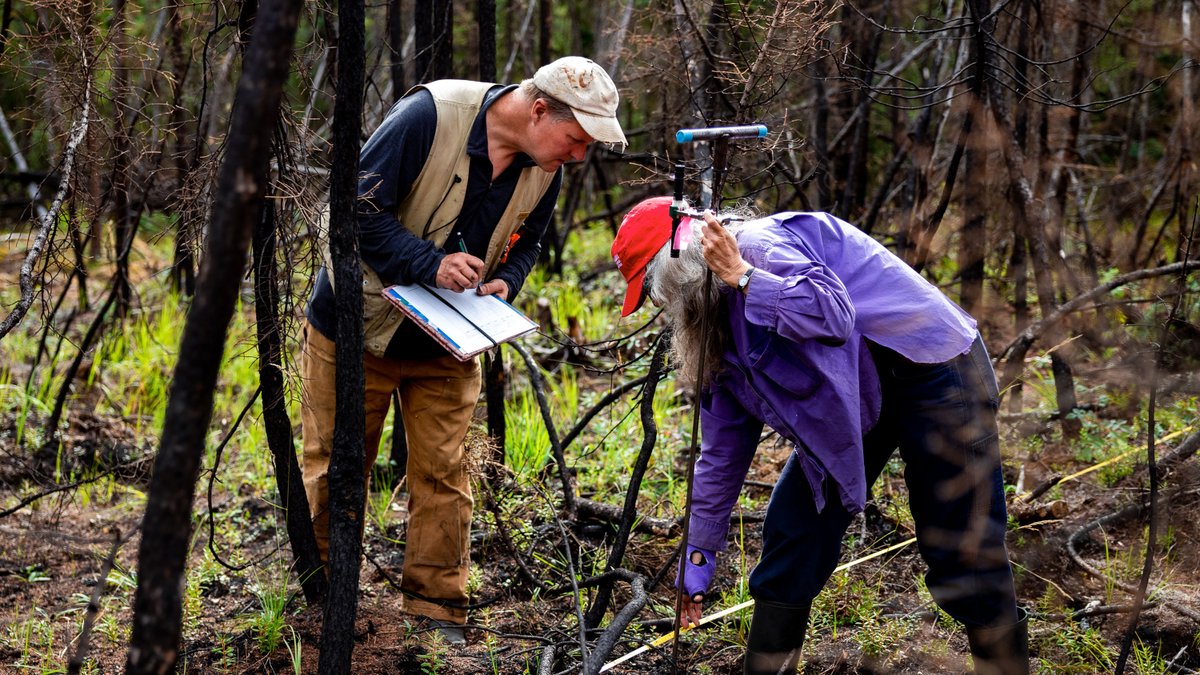
ARCTIC FIRES: Quest to Combat Blazes & Save Planet's Frozen Carbon Intensifies...
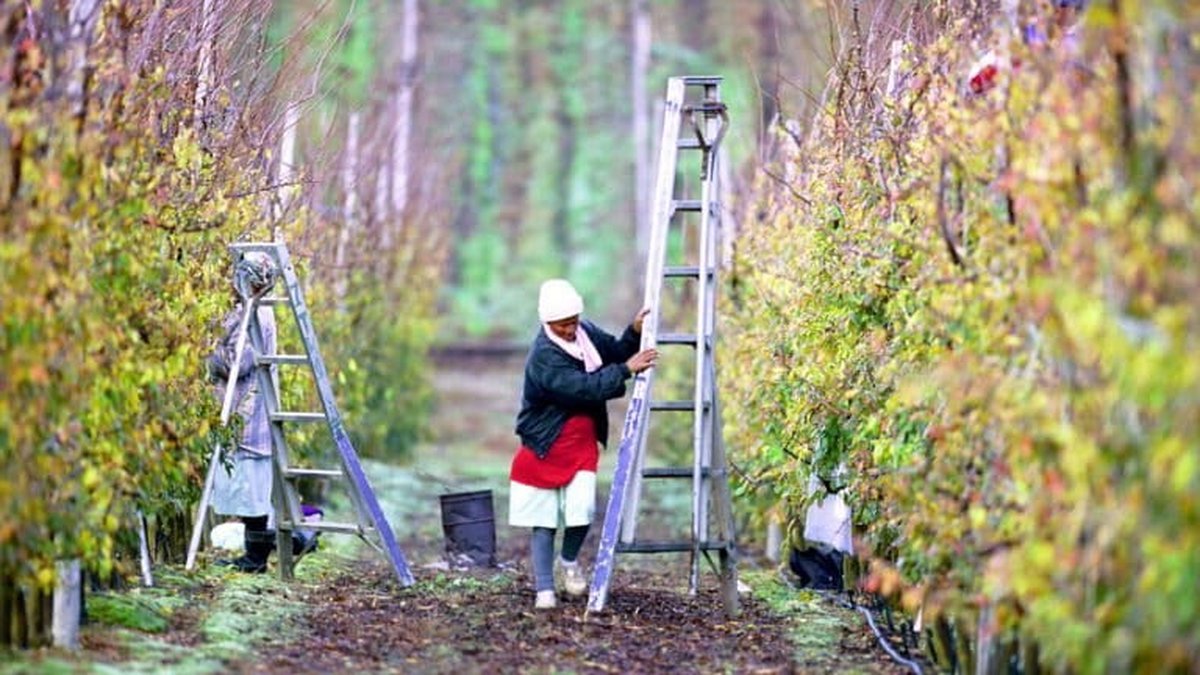
SOUTH AFRICA CROPS: Farmers Turn to Alternatives for Harmful Chemical Pesticides...
EVOLUTION MYSTERY: Three Turning Points in Early Earth History Revealed...

Climate Threat: Extreme Heat Boosts Pregnancy Risks Worldwide...